

Analysis of Dried Chili Powder Pneumatic Conveying Technology: Comparison of Positive and Negative P
Efficient and reliable material handling is a critical aspect of modern food processing industries, particularly when dealing with delicate and high-value products like dried chili powder. Pneumatic conveying systems have emerged as a preferred solution for transporting such materials due to their ability to maintain product quality, minimize contamination, and enhance operational flexibility. This article provides an in-depth analysis of the two primary pneumatic conveying modes—positive pressure and negative pressure—specifically tailored for dried chili powder applications, and highlights the expertise of Shandong HeadPowder Engineering Co., Ltd. in designing and implementing these technologies.
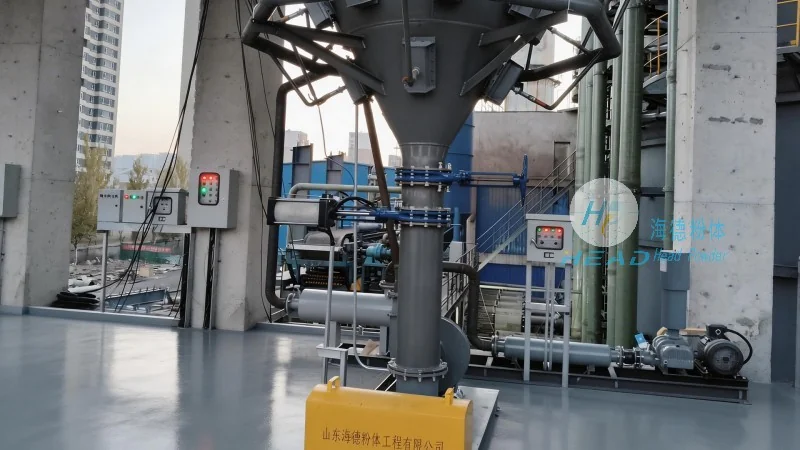
Understanding Pneumatic Conveying for Dried Chili Powder
Pneumatic conveying involves the use of air or gas to transport bulk materials through a pipeline system. For dried chili powder, which is often sensitive to moisture and physical damage, the choice of conveying mode is crucial. The two main categories are positive pressure and negative pressure systems, each with distinct characteristics and applications. Understanding these differences is essential for selecting the most suitable system for a given production environment.
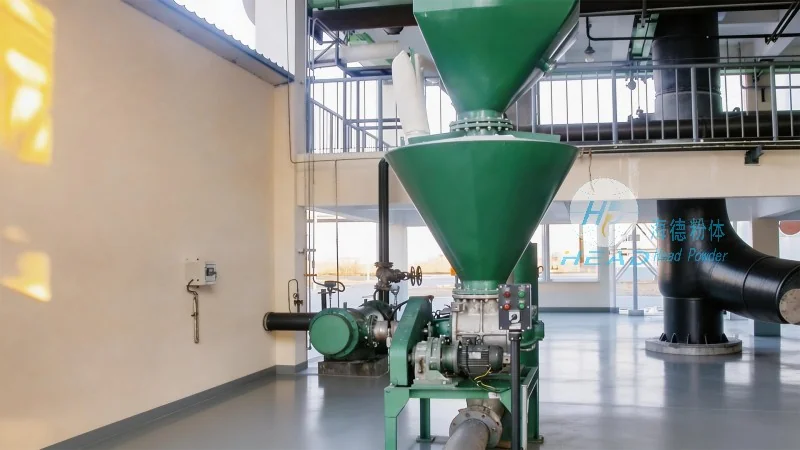
Positive Pressure Pneumatic Conveying Systems
Positive pressure systems operate by generating air pressure inside the conveying line, which forces the material to move through the pipeline. This mode is particularly effective for transporting dried chili powder over long distances or through complex system layouts. The system typically includes a blower or compressor that supplies compressed air, ensuring consistent material flow. A key advantage of positive pressure is its ability to handle abrasive or sticky materials, as the high-pressure air helps to break up agglomerates and maintain a uniform flow. Additionally, positive pressure systems are generally more suitable for applications requiring high material throughput, as they can maintain a steady flow rate even under varying load conditions. However, they may require more robust equipment and higher energy consumption compared to negative pressure systems.
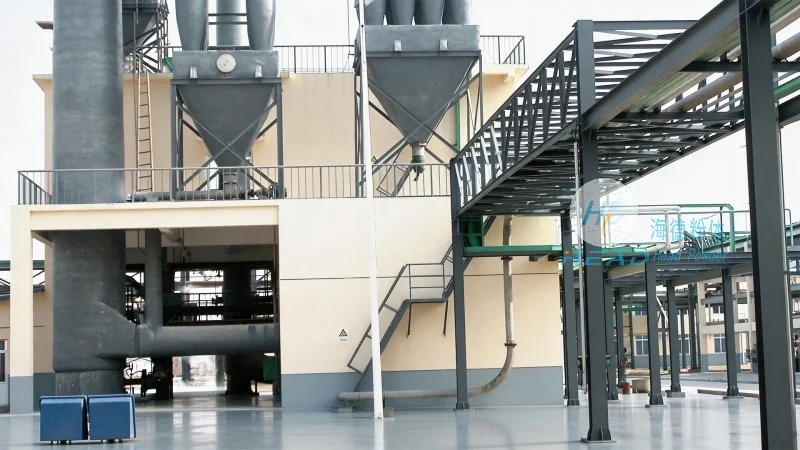
Negative Pressure Pneumatic Conveying Systems
Negative pressure systems, also known as vacuum systems, operate by creating a vacuum inside the conveying line, which draws the material into the pipeline. This mode is ideal for applications where the material needs to be transported from multiple points into a central collection point, such as in a processing plant with multiple hoppers. The system uses a vacuum pump to create the necessary suction, and the material is drawn through the line by the pressure differential. A significant advantage of negative pressure is its lower energy consumption and reduced noise levels compared to positive pressure systems. It is also more suitable for handling lighter materials or those that are prone to dust generation, as the vacuum helps to contain particles and prevent dispersion. However, negative pressure systems may have limitations in terms of conveying distance and material throughput, as the vacuum strength can diminish over longer distances or with larger particle sizes.
Key Considerations for Dried Chili Powder Conveying
When selecting a pneumatic conveying system for dried chili powder, several factors must be considered to ensure optimal performance and product integrity. These include the material's physical properties (such as particle size, density, and moisture content), the required conveying distance, and the system's capacity. For example, if the dried chili powder has a high moisture content or is prone to clumping, a positive pressure system with a high-pressure blower might be more effective in breaking up agglomerates and maintaining a consistent flow. Conversely, if the material is light and needs to be collected from multiple sources, a negative pressure system could be more suitable due to its lower energy requirements and ability to handle multiple inlets.
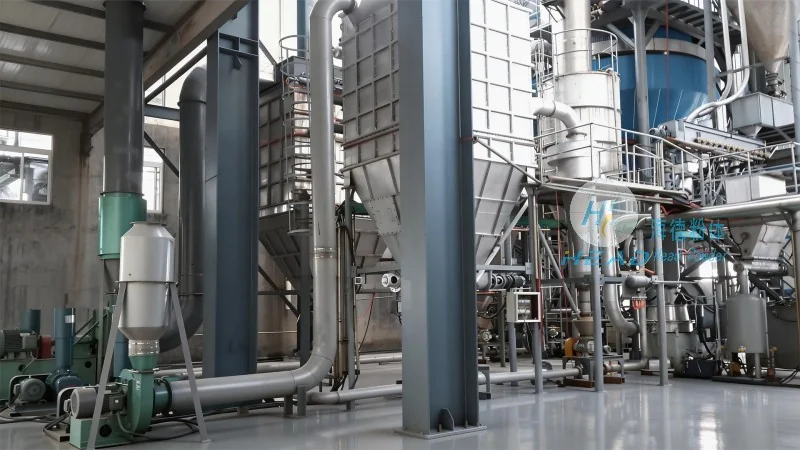
Role of Shandong HeadPowder Engineering Co., Ltd.
Shandong HeadPowder Engineering Co., Ltd., operating under the brand name headpowder, specializes in the design, manufacturing, and installation of pneumatic conveying systems tailored to the needs of the food processing industry. With a focus on dried chili powder and other sensitive materials, the company leverages advanced engineering principles to develop customized solutions that meet specific operational requirements. Their expertise includes the selection of appropriate conveying modes (positive or negative pressure) based on client needs, ensuring that the systems are optimized for efficiency, reliability, and product quality. The company's facilities are located in Shandong, China, where they maintain a strong commitment to quality control and customer satisfaction. By partnering with headpowder, food processing facilities can benefit from tailored pneumatic conveying solutions that enhance their production processes and maintain the integrity of their dried chili powder products.