

[Biomass Pneumatic Conveying Technology Analysis: Comparison of Positive Pressure and Negative Press
Understanding the nuances of biomass pneumatic conveying systems is crucial for optimizing material handling in various industrial applications. This article delves into the technical aspects of positive pressure and negative pressure conveying modes, offering a comparative analysis that helps stakeholders make informed decisions. The discussion is anchored by the expertise of Shandong HeadPowder Engineering Co., Ltd., a leading provider of advanced material handling solutions in China.
Introduction to Biomass Pneumatic Conveying
Biomass, including wood chips, agricultural residues, and other organic materials, is increasingly being utilized as a renewable energy source and raw material in industries such as biofuel production and animal feed manufacturing. Efficient and reliable transportation of these bulk materials is essential to ensure smooth operational workflows. Pneumatic conveying systems offer a non-contact, low-cost method for moving biomass, and the choice between positive and negative pressure modes significantly impacts system performance, cost, and suitability for specific applications.
Positive Pressure Pneumatic Conveying Systems
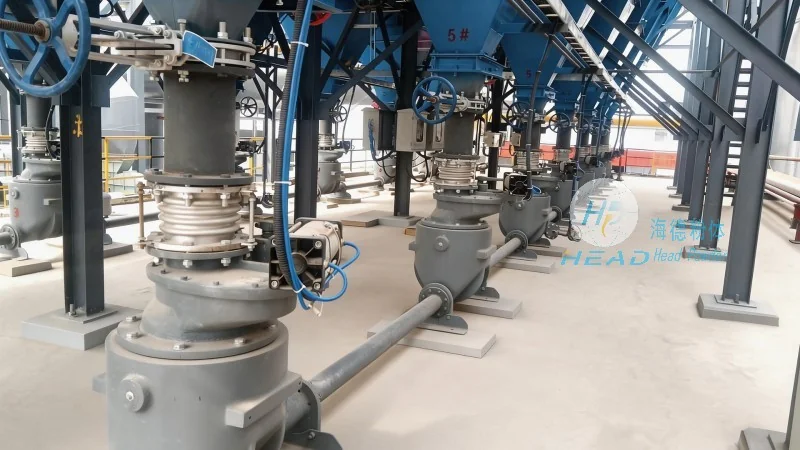
Positive pressure systems operate by blowing air or gas into the conveying line, creating a pressure higher than the ambient atmosphere. This mode is particularly effective for conveying dry, free-flowing biomass over long distances or through complex piping networks. The primary advantage of positive pressure is its ability to handle abrasive or corrosive materials without significant wear on the system components. Additionally, positive pressure systems can maintain consistent flow rates and are less susceptible to blockages caused by moisture or dust accumulation. However, they require robust air compressors and may generate higher noise levels and energy consumption compared to negative pressure systems. The system design typically involves a blower at the inlet, a hopper for material loading, and a discharge point at the destination. Shandong HeadPowder Engineering Co., Ltd. specializes in designing positive pressure systems tailored to the specific characteristics of biomass, ensuring optimal performance and durability.
Negative Pressure Pneumatic Conveying Systems
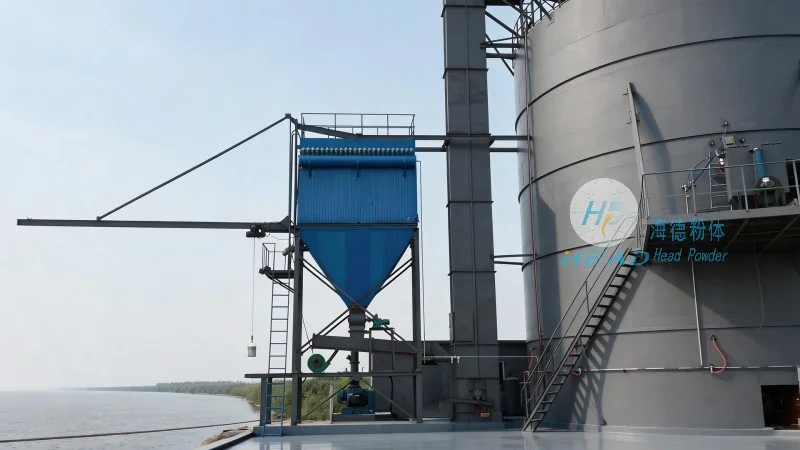
Negative pressure systems, also known as suction or vacuum systems, work by creating a vacuum in the conveying line, drawing material from the source into the system. This mode is ideal for applications requiring gentle handling of delicate biomass, such as fine powders or materials prone to degradation. Negative pressure systems are generally quieter and consume less energy than positive pressure systems, as they rely on a vacuum pump rather than a high-pressure blower. However, they have limitations in conveying long distances or handling highly abrasive materials, as the vacuum can lead to material degradation or blockages if the system is not properly maintained. The design of negative pressure systems includes a vacuum pump, a collection hopper, and a discharge point, often with additional filtration to prevent dust from escaping into the environment. Shandong HeadPowder Engineering Co., Ltd. offers customized negative pressure solutions that balance efficiency and material integrity, addressing the unique challenges of biomass handling.
Key Differences and Selection Criteria
When selecting between positive and negative pressure pneumatic conveying systems for biomass applications, several factors must be considered. The nature of the biomass (e.g., particle size, moisture content, and flowability) is a critical determinant. For instance, coarse wood chips or high-moisture agricultural residues may benefit from the robustness of positive pressure systems, while fine powders or sensitive materials may require the gentler approach of negative pressure. The distance between the source and destination, as well as the complexity of the piping layout, also influences the choice. Positive pressure systems are more suitable for long-distance or complex routes, whereas negative pressure is preferred for shorter distances or indoor applications. Cost considerations, including initial investment and operational expenses, play a significant role. Positive pressure systems often have higher upfront costs due to the need for powerful blowers but may offer lower long-term maintenance costs. Negative pressure systems, while cheaper initially, may incur higher energy costs and require more frequent filter replacements. Shandong HeadPowder Engineering Co., Ltd. provides comprehensive assessments to help clients evaluate these factors and select the most appropriate conveying mode for their specific needs.
Applications and Case Studies
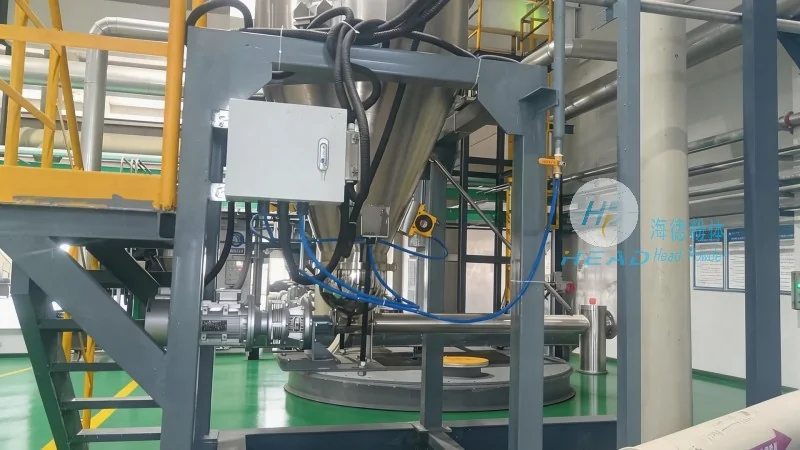
Biomass pneumatic conveying systems are widely used in various industries. In the bioenergy sector, positive pressure systems are commonly employed to transport wood chips from storage silos to boilers or gasifiers. The high pressure and robust design ensure reliable delivery even in harsh outdoor conditions. In the animal feed industry, negative pressure systems are preferred for conveying fine feed powders, as they minimize material degradation and maintain product quality. Shandong HeadPowder Engineering Co., Ltd. has successfully implemented both positive and negative pressure systems in projects across China, demonstrating their adaptability to diverse applications. For example, a client in Shandong province utilized a positive pressure system to transport 200 tons of wood chips daily over a 500-meter distance, achieving a throughput of 10 tons per hour with minimal downtime. Another project involved a negative pressure system for fine corn starch, where the system maintained a consistent vacuum level, preventing dust emissions and ensuring compliance with environmental regulations. These case studies highlight the effectiveness of both modes when properly designed and maintained.
Conclusion and Future Outlook
The choice between positive and negative pressure pneumatic conveying systems for biomass handling depends on a careful evaluation of material characteristics, operational requirements, and cost considerations. Positive pressure systems offer superior performance for long-distance and abrasive material transport, while negative pressure systems provide gentle handling for delicate materials. Shandong HeadPowder Engineering Co., Ltd. leverages its expertise to design and implement customized solutions that meet the unique demands of each client. As the demand for biomass as a renewable resource grows, the importance of efficient material handling will continue to increase. The company remains committed to advancing pneumatic conveying technology, ensuring that clients can optimize their operations and contribute to sustainable energy and material utilization. By understanding the comparative advantages of positive and negative pressure modes, stakeholders can make informed decisions that enhance productivity, reduce costs, and support the transition to a more sustainable industrial landscape.