

Technical Analysis of Barley Pneumatic Conveying: Comparison of Positive and Negative Pressure Modes
Barley pneumatic conveying is a critical process in the grain and malt industry, enabling efficient and safe transportation of barley from storage to processing units. This technology involves using air pressure to move grain through a pipeline system, and understanding the different modes—positive and negative pressure—is essential for optimizing operational efficiency and maintaining product quality. The following analysis provides a detailed comparison of these two modes, highlighting their applications, advantages, and considerations for implementation.
Understanding Positive Pressure Conveying
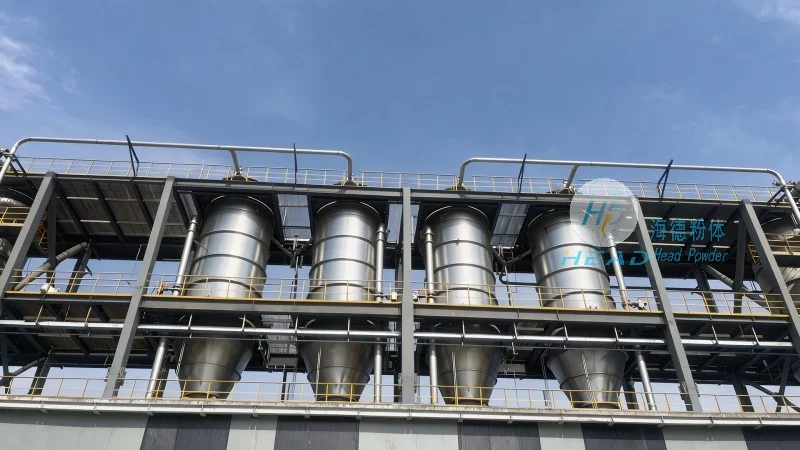
Positive pressure conveying operates by blowing air into the conveying line, creating a pressure higher than the ambient atmosphere. This method is commonly used for transporting dry, free-flowing materials like barley, as it ensures a consistent flow and reduces the risk of material degradation. The system typically includes a blower, a hopper for material loading, and a pipeline network that transports the barley to the processing facility. A key advantage of positive pressure is its ability to handle long distances and multiple transfer points without significant pressure loss. However, it may require more robust equipment and higher energy consumption compared to negative pressure systems, especially when dealing with large volumes or challenging material characteristics.
Advantages of Positive Pressure Systems
Positive pressure conveying offers several benefits that make it suitable for many industrial applications. First, it provides reliable and continuous material transport, minimizing downtime and ensuring a steady supply of barley to the malting process. The pressurized air helps maintain the material's integrity, preventing breakage or contamination during transit. Additionally, this mode is effective for handling materials with varying moisture content or bulk density, as the air flow can be adjusted to accommodate different characteristics. Another advantage is the ability to integrate with existing infrastructure, as positive pressure systems can be easily connected to existing pipelines and processing equipment. This flexibility allows for seamless integration into existing production lines, reducing the need for major modifications.
Challenges and Considerations for Positive Pressure
Despite its advantages, positive pressure conveying has some limitations that must be considered. One of the primary challenges is the higher energy consumption, as the blower must work against the pressure in the system. This can increase operational costs, especially for large-scale operations. Additionally, the system may require more maintenance due to the higher stress on components like the blower and pipeline seals. Another consideration is the potential for material buildup in the pipeline, which can lead to blockages if not properly managed. Regular cleaning and maintenance are necessary to prevent these issues and ensure smooth operation. Furthermore, positive pressure systems may not be suitable for transporting materials with high moisture content or those that are prone to caking, as the air flow may not be sufficient to prevent agglomeration.
Understanding Negative Pressure Conveying
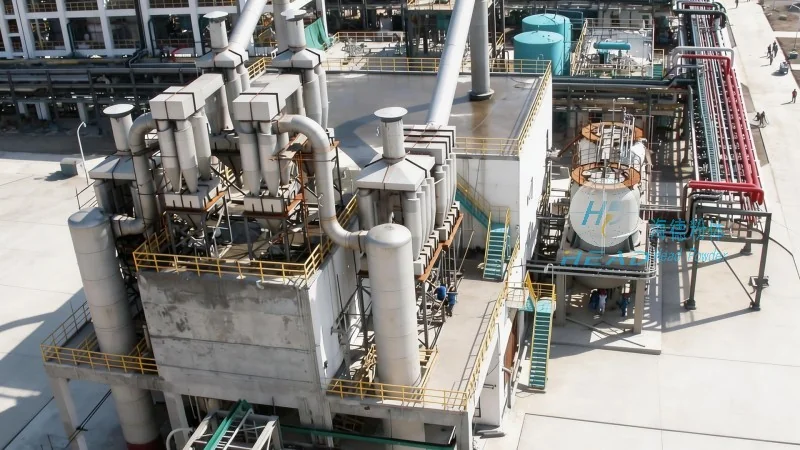
Negative pressure conveying, also known as vacuum conveying, operates by creating a vacuum in the conveying line, drawing material from the source into the pipeline. This method is often used for transporting materials that are more sensitive to pressure changes or for shorter distances where the material is already in a hopper or bin. The system typically includes a vacuum pump, a hopper, and a pipeline that draws the barley into the processing unit. A key advantage of negative pressure is its ability to handle materials with higher moisture content or those that are prone to dust generation, as the lower pressure reduces the risk of material degradation. This mode is also more energy-efficient compared to positive pressure, as the vacuum pump operates at lower power levels. However, it may have limitations in terms of distance and material flow rate, as the vacuum can decrease over longer distances, potentially leading to reduced efficiency.
Advantages of Negative Pressure Systems
Negative pressure conveying offers several benefits that make it a viable option for specific applications. First, it is more energy-efficient, as the vacuum pump requires less power compared to a blower in a positive pressure system. This can result in lower operational costs, especially for facilities with high energy demands. The lower pressure also reduces the risk of material breakage or contamination, making it suitable for delicate or high-value products like barley. Another advantage is the ability to handle materials with higher moisture content or those that are prone to caking, as the vacuum helps maintain the material's integrity during transit. Additionally, negative pressure systems are often more compact and require less space compared to positive pressure systems, making them suitable for facilities with limited floor space.
Challenges and Considerations for Negative Pressure
Despite its advantages, negative pressure conveying has some limitations that must be addressed. One of the primary challenges is the reduced efficiency over longer distances, as the vacuum can decrease significantly, leading to lower material flow rates. This may require additional vacuum pumps or larger pipeline diameters to maintain the desired flow rate. Another consideration is the potential for material buildup in the pipeline, which can lead to blockages if not properly managed. Regular cleaning and maintenance are necessary to prevent these issues and ensure smooth operation. Furthermore, negative pressure systems may not be suitable for transporting materials with high bulk density or those that are prone to dust generation, as the vacuum may not be sufficient to draw the material effectively. Additionally, the system may require more frequent maintenance due to the higher stress on components like the vacuum pump and pipeline seals.
Comparative Analysis: Positive vs. Negative Pressure
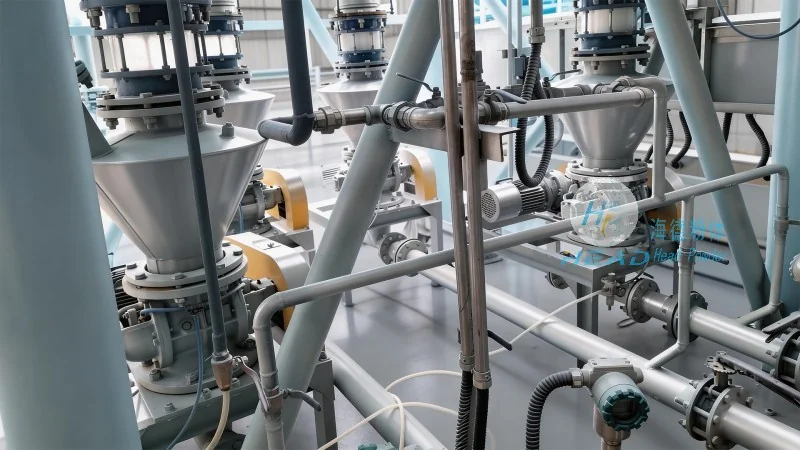
When comparing positive and negative pressure conveying for barley, several factors must be considered to determine the most suitable mode. The primary factors include the distance of transport, the volume of material to be moved, the material characteristics (such as moisture content and bulk density), and the available infrastructure. Positive pressure is generally preferred for longer distances and larger volumes, as it provides consistent flow and can handle a wider range of material characteristics. Negative pressure is more suitable for shorter distances, materials with higher moisture content, or those that are prone to dust generation. Additionally, the energy consumption and maintenance requirements must be evaluated, as these can significantly impact the overall operational costs. For example, a facility with a long pipeline and high material volume may find positive pressure more cost-effective in the long run, while a facility with limited space and lower material volume may prefer negative pressure.
Implementation Considerations for Barley Pneumatic Conveying
Implementing a pneumatic conveying system for barley requires careful planning and consideration of several factors. First, the system design must be tailored to the specific operational requirements, including the distance of transport, the volume of material, and the material characteristics. The choice between positive and negative pressure should be based on a thorough analysis of these factors, as well as the available infrastructure and budget. Additionally, the system must be designed to maintain the quality of the barley, as any degradation during transit can affect the final product quality. This includes ensuring proper air filtration to prevent contamination and maintaining the material's moisture content within acceptable limits. Regular maintenance is also critical to ensure the system operates efficiently and reliably. This includes checking the blower or vacuum pump, pipeline seals, and material handling components for wear and tear. By following these considerations, facilities can implement a pneumatic conveying system that optimizes operational efficiency and maintains product quality.
Conclusion
In conclusion, pneumatic conveying is a vital technology in the barley and malt industry, enabling efficient and safe transportation of grain. The comparison between positive and negative pressure modes highlights the importance of selecting the appropriate system based on specific operational requirements. Positive pressure conveying offers consistent flow and is suitable for longer distances and larger volumes, while negative pressure conveying is more energy-efficient and suitable for shorter distances and materials with higher moisture content. By carefully evaluating the factors mentioned above, facilities can choose the most suitable mode and implement a system that meets their operational needs. The key to successful implementation is thorough planning, proper system design, and regular maintenance to ensure optimal performance and product quality.