

Analysis of Peanut Kernels Pneumatic Conveying Technology: Comparison of Positive and Negative Press
HeadPowder, a leading engineering company based in Shandong, China, specializes in the design and implementation of advanced pneumatic conveying systems for various bulk materials, including peanut kernels. This article provides a detailed analysis of the two primary pneumatic conveying modes—positive pressure and negative pressure—and compares their applications, advantages, and limitations in the context of peanut kernel handling.
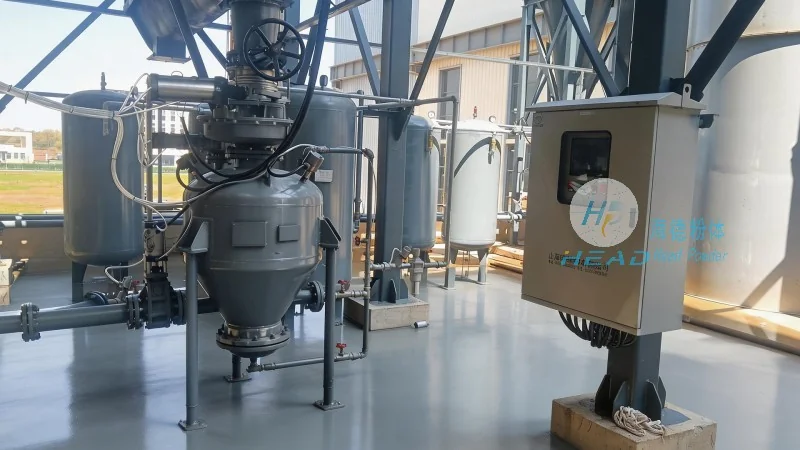
Understanding Pneumatic Conveying Systems for Peanut Kernels
Pneumatic conveying is a method of transporting bulk materials like peanut kernels through a pipeline using air or gas as the conveying medium. It offers several advantages over traditional mechanical conveying systems, such as reduced equipment wear, lower maintenance costs, and the ability to handle materials in a dust-free environment. For peanut kernels, which are delicate and prone to breakage, selecting the right pneumatic conveying mode is crucial to ensure efficient and damage-free transport.
Positive Pressure Pneumatic Conveying Mode
Positive pressure pneumatic conveying operates by blowing air or gas into the material stream, creating a positive pressure within the pipeline. This mode is often referred to as "blow-through" or "pressure-fed" conveying. In this system, the air is introduced at the inlet of the pipeline, and the material is carried forward by the force of the moving air. The positive pressure ensures that the material is continuously pushed through the pipeline, preventing backflow and maintaining a consistent flow rate.
For peanut kernels, positive pressure conveying is particularly effective when dealing with long-distance or high-capacity transport. The high pressure can handle more material volume per unit time, making it suitable for large-scale processing facilities. Additionally, this mode is less susceptible to blockages caused by material buildup, as the continuous air flow keeps the pipeline clear. However, it requires a robust air compression system and may generate more noise and air pollution compared to negative pressure systems.
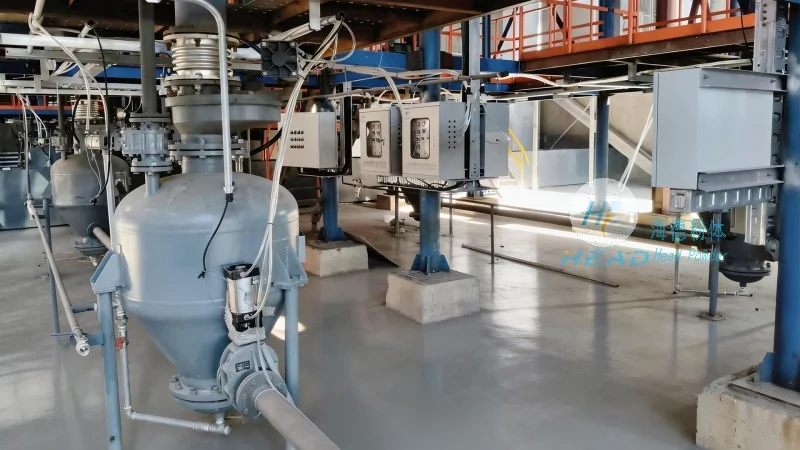
Negative Pressure Pneumatic Conveying Mode
Negative pressure pneumatic conveying, also known as "suction" or "vacuum-fed" conveying, operates by creating a vacuum within the pipeline. The system draws the material and air into the pipeline using a vacuum pump or fan at the discharge end. This mode is ideal for short-distance or low-capacity applications, especially when the material needs to be collected from multiple points and transported to a central location.
For peanut kernels, negative pressure conveying is often used in situations where the material is to be collected from a hopper or storage bin and transported to a processing unit. The vacuum helps to pull the material along the pipeline, reducing the need for high air velocities and minimizing material breakage. This mode is generally quieter and produces less air pollution than positive pressure systems. However, it may be less efficient for long-distance transport and can be more prone to blockages if the material contains large particles or is prone to clumping.
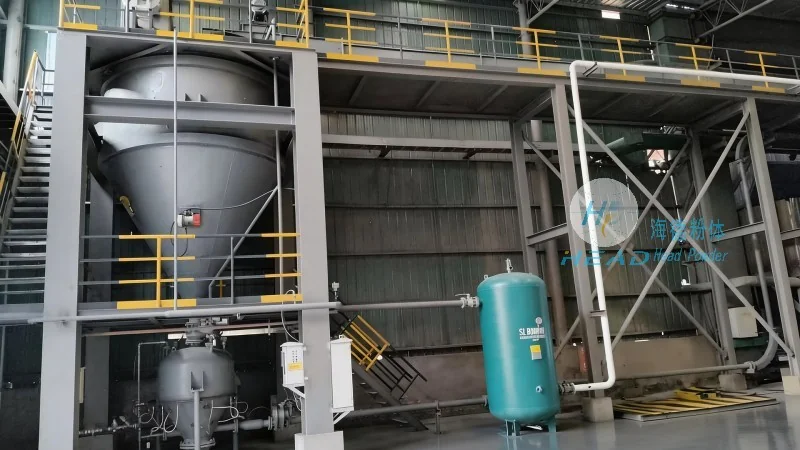
Key Considerations for Choosing Between Positive and Negative Pressure Modes
When selecting a pneumatic conveying mode for peanut kernel transport, several factors must be considered. The distance between the source and destination, the required material flow rate, the material's physical properties (such as size, density, and moisture content), and the available space for equipment installation are all critical factors. For example, if the transport distance is over 100 meters and the flow rate is high, positive pressure conveying may be the better choice due to its higher capacity and reliability. Conversely, for short distances or when handling delicate materials that are prone to breakage, negative pressure conveying may offer better results.
Another important consideration is the environmental impact. Positive pressure systems may require more energy to operate due to the need for high-pressure air compression, while negative pressure systems can be more energy-efficient but may generate more noise and require additional filtration to manage dust emissions. HeadPowder, with its expertise in material handling engineering, can provide customized solutions that balance these factors to meet the specific needs of peanut kernel processing facilities.
Conclusion
In conclusion, both positive and negative pressure pneumatic conveying modes have their unique advantages and are suitable for different applications in peanut kernel handling. Positive pressure conveying excels in high-capacity, long-distance transport, while negative pressure conveying is better suited for short-distance, low-capacity, or delicate material transport. By understanding the characteristics of each mode and considering the specific requirements of the peanut kernel processing operation, facilities can choose the most efficient and effective conveying system. HeadPowder, as a trusted engineering partner based in Shandong, China, offers comprehensive solutions and expert guidance to help clients select and implement the optimal pneumatic conveying system for their peanut kernel handling needs.