

Analysis of Glucose Pneumatic Conveying Technology: Comparison of Positive and Negative Pressure Mod
Glucose, a vital raw material in the food, pharmaceutical, and chemical sectors, demands efficient and reliable transportation methods to maintain product quality and enhance process efficiency. Pneumatic conveying systems have become a preferred solution for handling glucose, offering benefits such as dust-free operation, reduced contamination, and the capability to transport materials over extended distances. This article provides a comprehensive analysis of glucose pneumatic conveying technology, focusing on the two primary modes: positive pressure and negative pressure systems. By examining the operational principles, advantages, and applications of each mode, we aim to assist industry professionals in making informed decisions when selecting the most suitable conveying system for their glucose handling requirements.
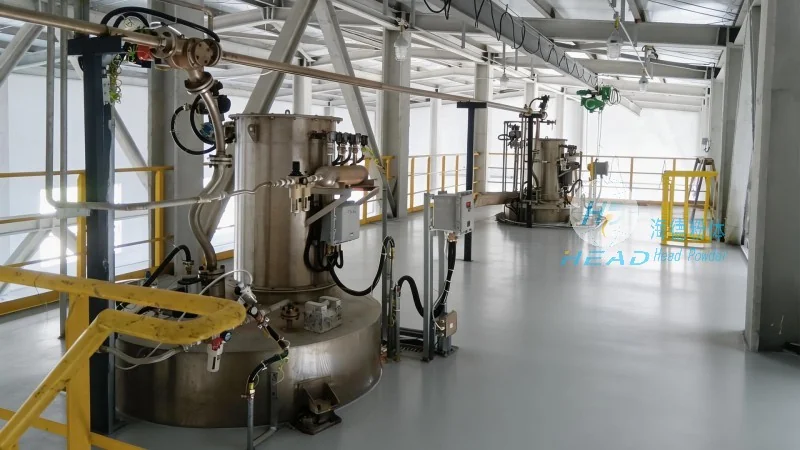
Positive Pressure Pneumatic Conveying System
Positive pressure systems function by generating air pressure above atmospheric levels within the conveying line. This mode is commonly employed for short to medium distance conveying of glucose, where material is drawn from a hopper or storage silo and transported to a processing unit. The system typically comprises a blower, a hopper with a feeder, and a conveying line. The blower supplies compressed air, which pushes the glucose particles through the line, ensuring a continuous flow. A key advantage of positive pressure systems is their ability to handle a wide range of particle sizes and moisture content, making them suitable for various glucose products. Additionally, these systems are relatively straightforward to install and maintain, reducing operational costs. However, they may not be as effective for long-distance conveying due to pressure drop and the potential for material degradation under high pressure.
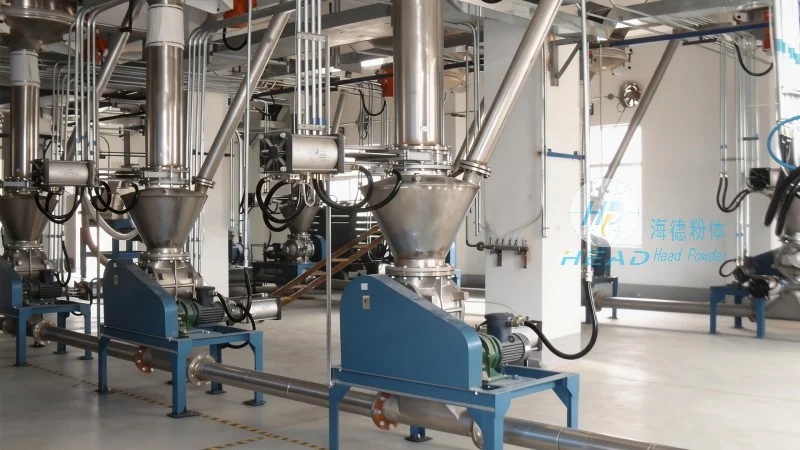
Negative Pressure Pneumatic Conveying System
Negative pressure systems, also known as vacuum systems, operate by creating a vacuum in the conveying line, which draws the glucose material from the source. This mode is ideal for long-distance conveying, as the vacuum can maintain a consistent flow over extended distances. The system includes a vacuum pump, a hopper with a feeder, and a receiving container. The vacuum pump creates a low-pressure environment, pulling the glucose particles into the line and transporting them to the destination. Negative pressure systems are particularly effective for handling fine or dusty glucose powders, as the vacuum prevents material from escaping and reduces the risk of contamination. Another advantage is that they can handle materials with higher moisture content, as the low pressure minimizes the risk of caking or agglomeration. However, these systems may require more complex filtration and maintenance to prevent dust accumulation and ensure efficient operation.
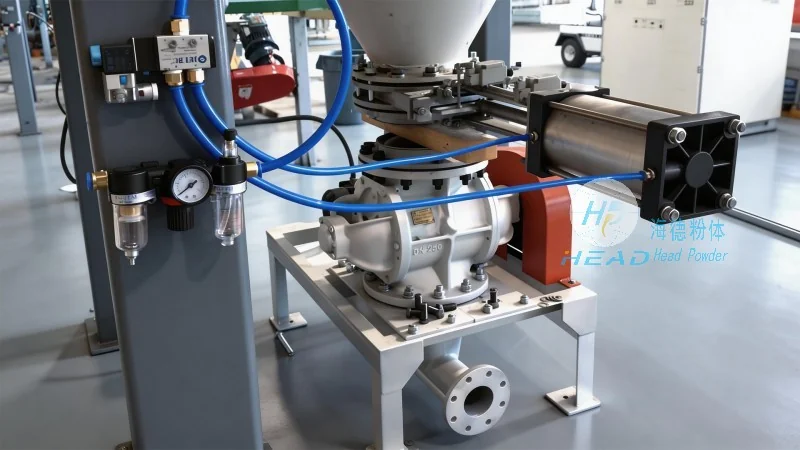
Comparison of Positive and Negative Pressure Pneumatic Conveying Systems
When selecting a pneumatic conveying system for glucose, it is crucial to consider the specific requirements of the application, including distance, material characteristics, and operational constraints. Positive pressure systems are generally more suitable for short to medium distances and handling coarse or dry glucose, while negative pressure systems are preferred for long-distance conveying and fine or dusty materials. The choice between the two modes also depends on factors such as energy consumption, maintenance costs, and the need for dust control. Positive pressure systems typically consume more energy due to the need for compressed air, whereas negative pressure systems may require more robust filtration to prevent dust buildup. Additionally, positive pressure systems are less prone to material degradation under high pressure, making them suitable for heat-sensitive glucose products. In contrast, negative pressure systems are better at maintaining product integrity over long distances, as the low pressure reduces the risk of particle breakdown. Ultimately, the decision between positive and negative pressure systems should be based on a thorough analysis of the specific conveying requirements and the trade-offs between operational efficiency and cost.
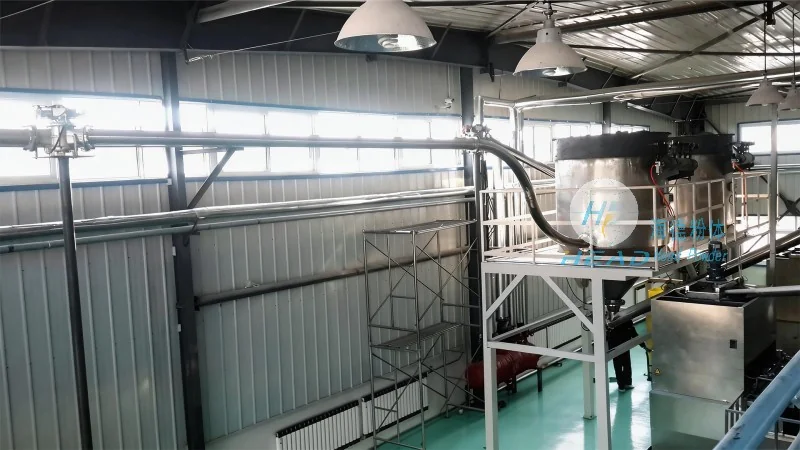
About Shandong HeadPowder Engineering Co., Ltd.
Shandong HeadPowder Engineering Co., Ltd., commonly known as HeadPowder, is a leading manufacturer and supplier of advanced pneumatic conveying systems for the food, pharmaceutical, and chemical industries. With years of experience in the industry, HeadPowder specializes in designing and manufacturing customized solutions tailored to the unique needs of its clients. The company's commitment to quality and innovation has earned it a reputation for providing reliable and efficient conveying systems that meet the highest standards of performance and safety. HeadPowder's team of experts works closely with clients to understand their specific requirements and develop solutions that optimize material handling processes, reduce downtime, and enhance overall operational efficiency. The company's facilities are equipped with state-of-the-art technology and adheres to strict quality control measures to ensure that every product meets the highest standards of excellence. HeadPowder's goal is to provide its clients with the best possible solutions for their conveying needs, helping them to achieve their business objectives and maintain a competitive edge in the market.