

Analysis of Rare Earth Crystal Powder Pneumatic Conveying Technology: Comparison of Positive and Neg
HeadPowder, a leading provider in the field of material handling solutions, specializes in advanced pneumatic conveying systems tailored for rare earth crystal powders. This article delves into the technical aspects of pneumatic conveying, focusing on the comparison between positive and negative pressure modes, to help industry professionals understand the optimal solutions for their material transport needs. The company, based in Shandong, China, has extensive experience in designing and implementing customized conveying systems for various industrial applications.
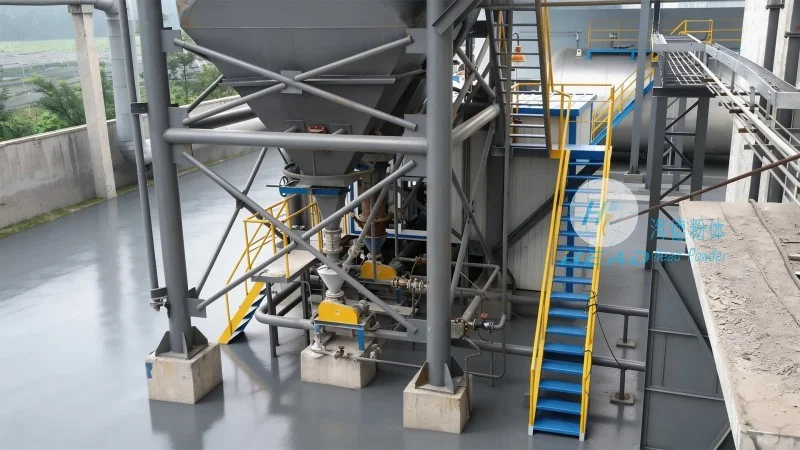
Introduction to Pneumatic Conveying for Rare Earth Crystal Powders
Pneumatic conveying is a critical technology in the processing and handling of rare earth crystal powders, which are essential components in modern industrial applications such as electronics, renewable energy, and advanced manufacturing. The efficiency and reliability of the conveying system directly impact production throughput, product quality, and operational costs. Among the various pneumatic conveying methods, positive and negative pressure systems are the two primary approaches, each with distinct characteristics and applications.
Understanding Positive Pressure Pneumatic Conveying
Positive pressure pneumatic conveying operates by generating high-pressure air or gas at the conveying point, which then propels the material through the pipeline. This mode is particularly suitable for transporting rare earth crystal powders over longer distances or through complex network systems. The key advantages of positive pressure systems include high conveying capacity, ability to handle abrasive materials, and reduced risk of material degradation due to lower air velocity in the pipeline. However, they may require more robust equipment and higher energy consumption compared to negative pressure systems.
Key Features of Positive Pressure Systems
Positive pressure systems typically use high-pressure blowers or compressors to generate the necessary air pressure. The material is introduced into the pipeline at the conveying point, and the pressurized air carries the powder to the destination. This method is effective for handling large volumes of rare earth crystal powders and can be integrated with multiple delivery points. The equipment used in positive pressure systems, such as rotary valves and dust collectors, is designed to withstand the high pressures and abrasive nature of the material.
Understanding Negative Pressure Pneumatic Conveying
Negative pressure pneumatic conveying, also known as vacuum conveying, operates by creating a low-pressure environment at the receiving end, which draws the material from the source into the pipeline. This mode is ideal for applications where the material needs to be transported from a source to a single destination, often over shorter distances. The primary benefits of negative pressure systems include lower energy consumption, reduced noise levels, and the ability to handle fine powders without causing excessive wear on the equipment. However, they may have limitations in conveying capacity and are more susceptible to clogging in the pipeline.
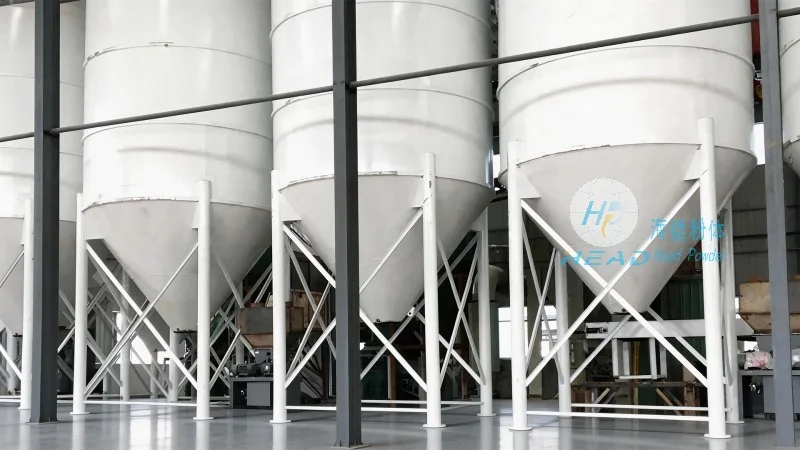
Key Features of Negative Pressure Systems
Negative pressure systems utilize vacuum pumps or fans to create a vacuum at the receiving end. The material is fed into the pipeline at the source, and the vacuum pulls the powder towards the destination. This method is commonly used in applications where the material is sensitive to high air velocities or where the source is located at a higher elevation than the destination. The equipment in negative pressure systems, including feeders and filters, is designed to maintain a stable vacuum and prevent material loss.
Comparison of Positive and Negative Pressure Modes
When selecting a pneumatic conveying system for rare earth crystal powders, it is essential to evaluate the specific requirements of the application, including material properties, distance, and system complexity. The following table provides a comparative analysis of the two modes:
| Feature | Positive Pressure | Negative Pressure |
| Operating Principle | Pressurized air pushes material | Vacuum pulls material |
| Conveying Distance | Longer distances (up to several kilometers) | Shorter distances (typically up to 100 meters) |
| Energy Consumption | Higher (due to high pressure) | Lower (due to vacuum) |
| Material Handling | Handles abrasive and large particles | Handles fine powders and sensitive materials |
| Equipment Complexity | More complex (high-pressure components) | Simpler (vacuum components) |
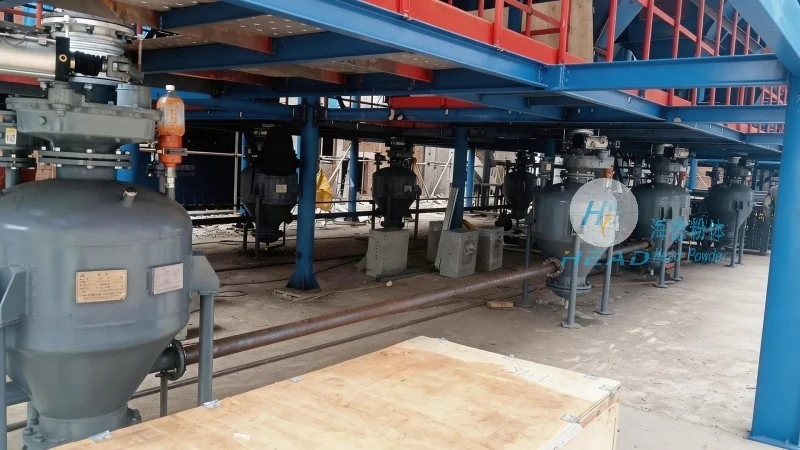
Based on this comparison, positive pressure systems are generally preferred for large-scale, long-distance transport of rare earth crystal powders, while negative pressure systems are more suitable for smaller-scale, short-distance applications or where material sensitivity is a concern.
Application Considerations for Rare Earth Crystal Powders
The choice between positive and negative pressure pneumatic conveying for rare earth crystal powders depends on several factors, including the particle size distribution, moisture content, and flowability of the material. For example, coarse or abrasive powders may benefit from the high capacity and durability of positive pressure systems, whereas fine or hygroscopic powders may require the gentler handling of negative pressure systems to prevent agglomeration or degradation.
Additionally, the layout of the production facility and the existing infrastructure play a crucial role in system selection. Positive pressure systems may be integrated with existing high-pressure air networks, reducing the need for additional equipment, while negative pressure systems can be easily adapted to existing vacuum systems or dust collection setups.
Conclusion and Recommendations
Both positive and negative pressure pneumatic conveying modes offer viable solutions for transporting rare earth crystal powders, with each having its own set of advantages and limitations. The optimal choice depends on the specific application requirements, material characteristics, and operational constraints. For industries dealing with rare earth crystal powders, it is recommended to conduct a thorough analysis of the conveying needs, including distance, capacity, and material properties, before selecting a system. By understanding the technical differences and benefits of each mode, companies can ensure efficient, reliable, and cost-effective material handling, ultimately enhancing their overall production performance.