

Analysis of Pneumatic Conveying Technology for Glucose Powder: Comparison of Positive and Negative P
Shandong HeadPowder Engineering Co., Ltd., commonly known as headpowder, is a leading provider of specialized engineering solutions for the food and chemical industries. With a strong focus on innovation and customer-centric design, the company has established itself as a trusted partner in the development of efficient material handling systems. Headquartered in Shandong, China, headpowder leverages decades of industry experience to deliver tailored pneumatic conveying solutions that meet the unique demands of modern production environments.
Pneumatic Conveying Fundamentals and Its Relevance to Glucose Powder
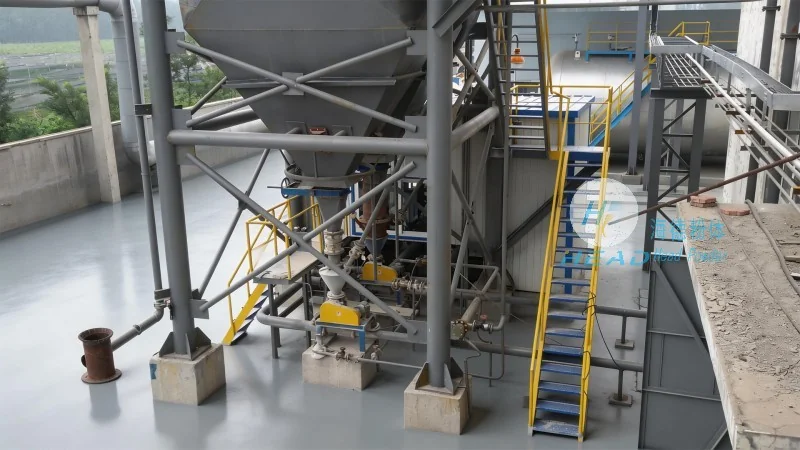
Pneumatic conveying is a critical process in the handling of bulk materials, including glucose powder, where the objective is to transport dry powders through a pipeline using air or other gases. This technology offers significant advantages over traditional mechanical conveying methods, such as reduced equipment wear, lower maintenance costs, and enhanced safety. For glucose powder, which is often used in pharmaceuticals, food processing, and chemical manufacturing, the choice of pneumatic conveying system is paramount to ensuring product integrity, minimizing contamination risks, and optimizing operational efficiency.
Positive Pressure Pneumatic Conveying Systems: Design and Operational Principles
Positive pressure systems operate by generating compressed air that forces the material through the conveying line. The system typically includes a blower or compressor, a hopper for material storage, and a series of pipes that transport the powder. In the context of glucose powder, positive pressure systems are particularly effective for short to medium-distance transport, where the material is moved from a central storage point to processing units or packaging areas. The primary advantage of this mode is its ability to handle high material loads and maintain consistent flow rates, even with varying particle sizes or moisture content. However, it requires robust sealing and filtration to prevent dust emissions and ensure compliance with environmental regulations.
Negative Pressure Pneumatic Conveying Systems: Design and Operational Principles
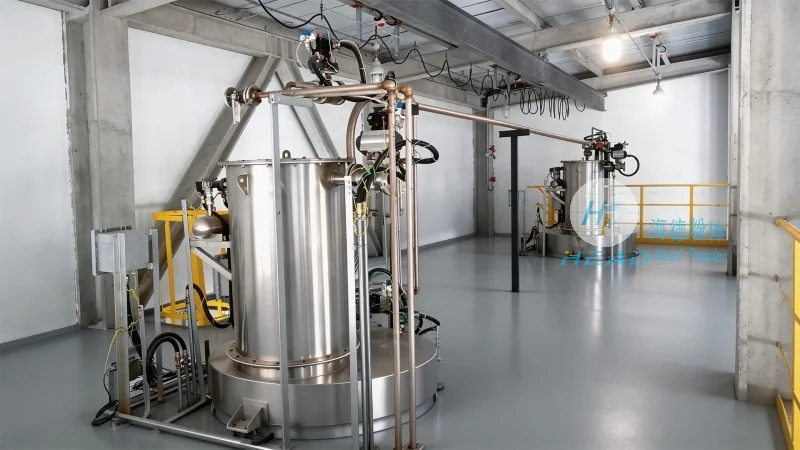
Conversely, negative pressure systems create a vacuum within the conveying line, drawing the material from the source into the system. This approach is often preferred for applications requiring the transport of materials from multiple points or over longer distances, as it can handle more complex layouts without the need for multiple compression points. For glucose powder, negative pressure systems are well-suited for scenarios where the material is sourced from multiple hoppers or requires gentle handling to avoid agglomeration. The key operational principle involves using a vacuum pump to create a pressure differential that pulls the powder through the pipeline. While this mode is effective for handling sensitive materials, it demands careful attention to air leakage and system sealing to prevent contamination and maintain efficiency.
Comparative Analysis: Positive vs. Negative Pressure Modes for Glucose Powder
When evaluating the suitability of positive versus negative pressure pneumatic conveying for glucose powder, several factors must be considered. The choice is heavily influenced by the distance of transport, the volume of material to be moved, and the specific characteristics of the powder, such as particle size, moisture content, and flowability. Positive pressure systems excel in applications requiring high throughput and short to medium distances, where the system can maintain consistent pressure and flow. In contrast, negative pressure systems are more versatile for longer distances or complex networks, as they can handle multiple pick-up points and reduce the risk of material spillage at the source. However, negative pressure systems may experience higher energy consumption due to the need for continuous vacuum maintenance, and they require more rigorous filtration to prevent dust accumulation in the vacuum pump.
Key Considerations for Implementing Pneumatic Conveying in Glucose Powder Handling
Successful implementation of pneumatic conveying systems for glucose powder involves careful consideration of several technical and operational aspects. First, the material's physical properties, including particle size distribution and moisture content, must be thoroughly analyzed to determine the optimal system design. For instance, fine glucose powders may require higher air velocities to prevent blockages, while coarser particles can be conveyed at lower velocities. Second, the system's sealing and filtration components are critical to maintaining product purity and complying with industry standards. Headpowder emphasizes the use of high-efficiency filters and sealed hoppers to minimize dust emissions and prevent cross-contamination. Third, the layout of the conveying network must be optimized to minimize pressure drops and energy consumption. This may involve selecting the appropriate pipe diameter, using bends and fittings that reduce turbulence, and incorporating pressure relief valves to protect the system from overpressure.
Case Studies and Real-World Applications
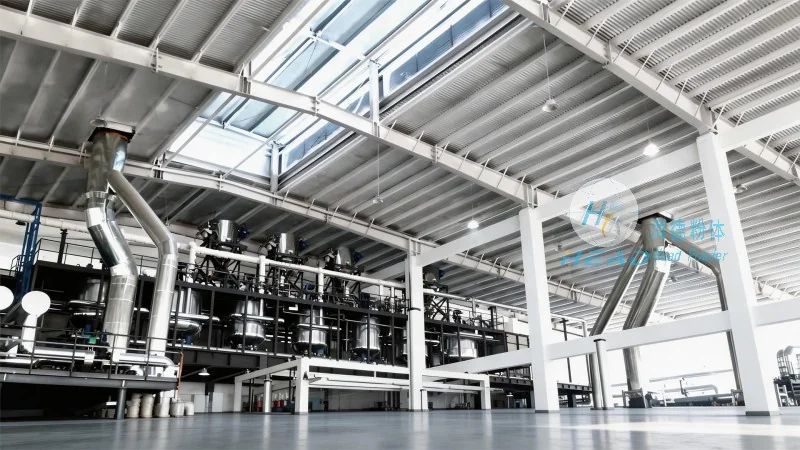
Headpowder has successfully implemented pneumatic conveying solutions for glucose powder in various industrial settings. For example, a pharmaceutical manufacturer in China utilized a positive pressure system to transport glucose powder from a central silo to multiple production lines, achieving a 30% reduction in handling time and a 20% decrease in labor costs. Another client, a food processing company, adopted a negative pressure system to handle glucose powder from multiple hoppers, ensuring consistent flow rates and preventing material buildup in the source hoppers. These case studies highlight the adaptability of pneumatic conveying systems to diverse operational requirements and the importance of tailored engineering solutions.
Future Trends and Innovations in Glucose Powder Pneumatic Conveying
As the food and chemical industries continue to evolve, the demand for more efficient and sustainable material handling solutions is growing. Headpowder is at the forefront of developing advanced pneumatic conveying technologies that address current challenges, such as energy efficiency and environmental compliance. Emerging trends include the integration of smart sensors and IoT technologies to monitor system performance in real-time, enabling predictive maintenance and optimizing operational parameters. Additionally, the company is exploring the use of alternative energy sources, such as solar-powered compressors, to reduce the carbon footprint of conveying systems. These innovations are designed to enhance the reliability and sustainability of glucose powder handling while maintaining the high standards of product quality and safety.