

Hydroxide Sodium Pneumatic Conveying Technology Analysis: Positive Pressure vs. Negative Pressure Mo
Hydroxide sodium, commonly known as caustic soda or sodium hydroxide, is a highly reactive and corrosive chemical widely used in various industrial processes, including chemical manufacturing, water treatment, and paper production. The efficient and safe transportation of this material is crucial for maintaining operational efficiency and ensuring workplace safety. Pneumatic conveying technology has emerged as a preferred method for handling hydroxide sodium due to its ability to transport bulk materials without direct contact with mechanical components, reducing the risk of contamination and equipment wear. This article provides a detailed analysis of the two primary pneumatic conveying modes—positive pressure and negative pressure—exploring their characteristics, applications, and comparative advantages for hydroxide sodium handling.
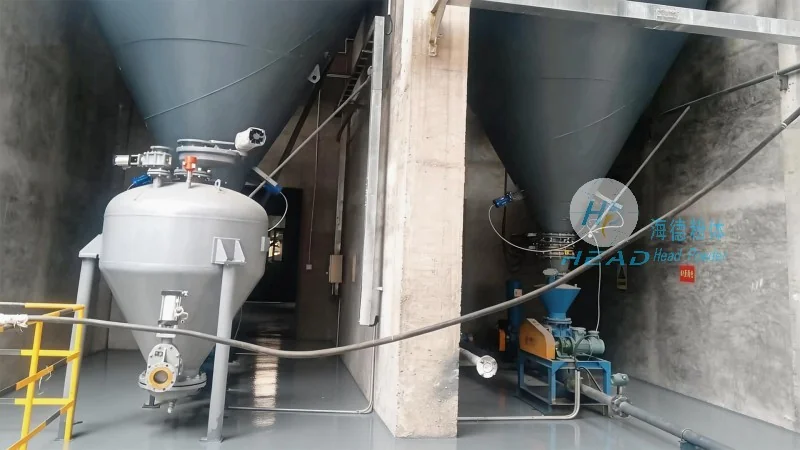
Positive Pressure Pneumatic Conveying Mode
Positive pressure pneumatic conveying operates by generating air pressure within the conveying system, typically using a positive displacement blower or a centrifugal fan. The system forces air and material through the pipeline, ensuring a continuous flow of the material from the source to the destination. For hydroxide sodium applications, this mode is often preferred when the material needs to be transported over longer distances or through complex piping networks. The positive pressure system can handle a wide range of material properties, including powders with varying moisture content and particle sizes, making it versatile for different industrial scenarios.
In terms of operational advantages, positive pressure conveying offers high material transport rates, allowing for efficient handling of large volumes of hydroxide sodium. The system is also relatively simple to install and maintain, with fewer components compared to negative pressure systems. However, it is important to note that positive pressure conveying may require additional safety measures, such as explosion-proof equipment, due to the presence of pressurized air and the potential for dust accumulation. The cost of equipment, including the blower and pipeline, can also be higher compared to negative pressure systems, especially for large-scale operations.
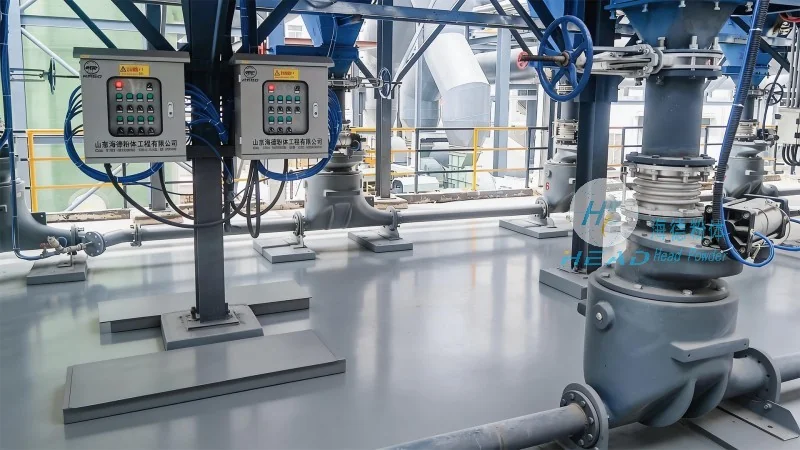
Negative Pressure Pneumatic Conveying Mode
Negative pressure pneumatic conveying, also known as suction conveying, works by creating a vacuum within the system to draw material from the source into the pipeline. The material is then transported to the destination using the vacuum created by a vacuum pump or a fan. This mode is particularly suitable for applications where the material needs to be collected from multiple points or where the source is located at a higher elevation than the destination. Negative pressure conveying is often preferred for handling hydroxide sodium in environments where dust control is critical, as the system draws material into the pipeline rather than expelling it.
One of the key advantages of negative pressure conveying is its ability to handle materials with higher moisture content or sticky properties, as the vacuum helps to maintain the material's flowability. The system also requires less space for installation compared to positive pressure systems, making it ideal for applications with limited floor space. However, negative pressure conveying has limitations in terms of distance and material capacity. The material transport rate is generally lower compared to positive pressure systems, and the system may not be suitable for long-distance or high-volume applications. Additionally, the vacuum pump used in negative pressure systems can be more complex and require more maintenance, increasing operational costs over time.
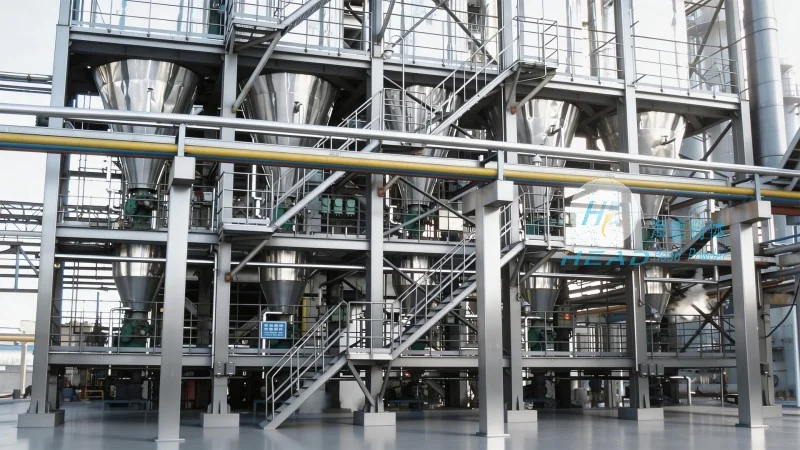
Comparative Analysis: Positive Pressure vs. Negative Pressure
When deciding between positive and negative pressure pneumatic conveying for hydroxide sodium, several factors need to be considered. The primary considerations include the distance of the material transport, the volume of material to be handled, the material properties (such as moisture content and particle size), and the available space for equipment installation. Positive pressure conveying is generally more suitable for long-distance and high-volume applications, offering higher transport rates and greater flexibility in system design. Negative pressure conveying, on the other hand, is better suited for short-distance or low-volume applications, particularly where dust control and material handling of sticky or moist materials are critical.
From an operational perspective, positive pressure systems are often more straightforward to operate and maintain, with fewer moving parts and simpler control systems. Negative pressure systems, while requiring more complex vacuum equipment, may offer better control over material flow and dust emission. The choice between the two modes also depends on the specific safety requirements of the application. Positive pressure systems may require explosion-proof components due to the pressurized air, while negative pressure systems can help minimize dust exposure by drawing material into the pipeline.
HeadPowder Engineering: Expertise in Hydroxide Sodium Pneumatic Conveying
Shandong HeadPowder Engineering Co., Ltd. is a leading provider of pneumatic conveying solutions tailored to the unique needs of hydroxide sodium handling. With years of experience in the chemical industry, HeadPowder specializes in designing and manufacturing customized conveying systems that ensure efficient, safe, and cost-effective transportation of caustic soda. The company's team of engineers and technicians work closely with clients to assess their specific requirements, including material properties, transport distances, and operational constraints, to develop optimal solutions.
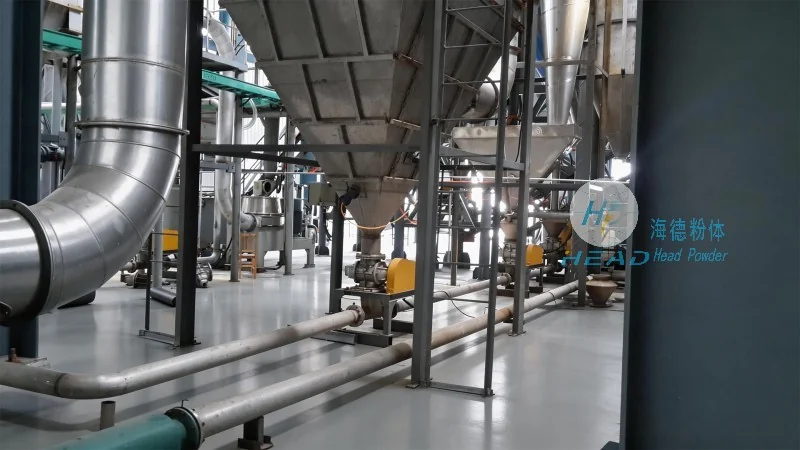
HeadPowder's expertise extends to both positive and negative pressure conveying systems, allowing clients to choose the most suitable mode based on their application needs. The company's systems are equipped with advanced control technologies, ensuring precise regulation of air flow and material transport rates. This not only enhances operational efficiency but also minimizes energy consumption and reduces maintenance costs over the system's lifecycle. Additionally, HeadPowder provides comprehensive after-sales support, including system installation, commissioning, and ongoing maintenance services, ensuring that clients can rely on their conveying systems for long-term performance.
By leveraging the latest advancements in pneumatic conveying technology, HeadPowder has established itself as a trusted partner for industries relying on hydroxide sodium. The company's commitment to quality, safety, and customer satisfaction has earned it a reputation for delivering reliable and efficient solutions that meet the highest industry standards. Whether clients require a new system installation or an upgrade to an existing conveying system, HeadPowder is dedicated to providing tailored solutions that enhance operational performance and ensure the safe handling of caustic soda.