

Analysis of Ammonium Bicarbonate Pneumatic Conveying Technology: Comparison of Positive and Negative
Ammonium bicarbonate is a critical raw material in the chemical and fertilizer industries, and its efficient transportation is essential for industrial production efficiency. Pneumatic conveying technology offers a solution to handle this material safely and effectively. This article provides an in-depth analysis of the two primary modes of pneumatic conveying—positive and negative pressure—for ammonium bicarbonate, comparing their advantages, disadvantages, and applications. The insights shared here are based on the expertise of Shandong HeadPowder Engineering Co., Ltd., a leading provider of pneumatic conveying solutions in China.
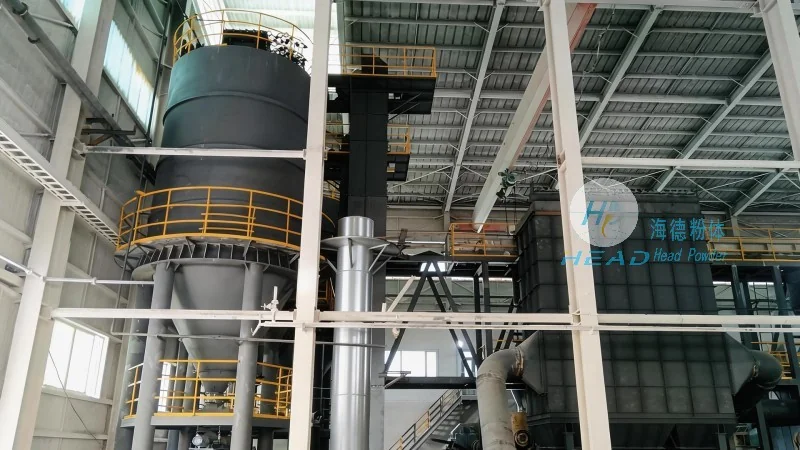
Introduction to Ammonium Bicarbonate Pneumatic Conveying
Ammonium bicarbonate (NH₄HCO₃) is widely used in the production of fertilizers, pharmaceuticals, and other chemical products. Its handling requires special attention due to its hygroscopic nature and potential for dust explosion risks. Pneumatic conveying systems transport the material using air or gas as the conveying medium, eliminating the need for mechanical components that might cause contamination or material degradation. The choice between positive and negative pressure systems depends on factors such as material properties, system layout, and operational requirements.
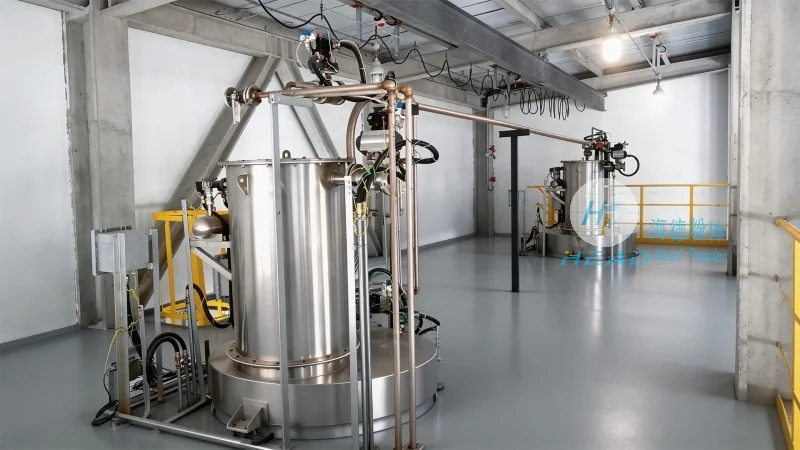
Positive Pressure Pneumatic Conveying System
Positive pressure systems operate by blowing air or gas into the conveying line, creating a pressure higher than the ambient air pressure. This method is particularly suitable for transporting ammonium bicarbonate over long distances or through complex piping networks. The system typically includes a blower, a hopper, and a discharge point. The positive pressure ensures that the material is continuously moved through the pipeline, reducing the risk of clogging and maintaining consistent flow rates. A key advantage of this mode is its ability to handle abrasive or sticky materials, as the high-pressure air helps to break up agglomerates and maintain material flow.
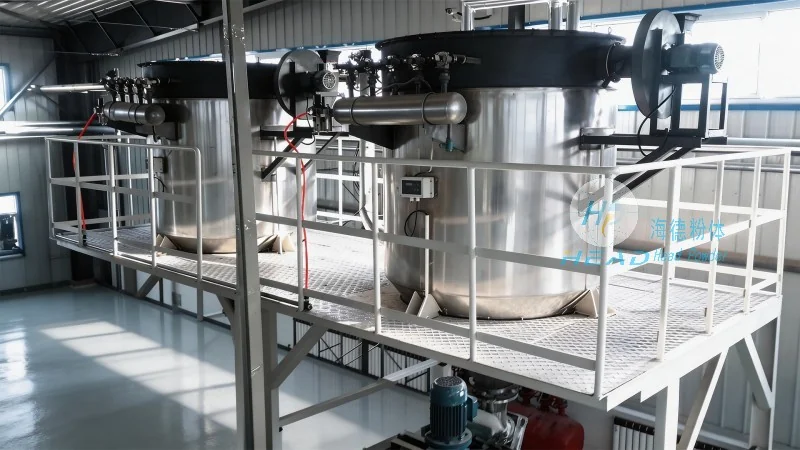
In the context of ammonium bicarbonate, positive pressure systems are often preferred for large-scale industrial applications where the material needs to be transported from a central storage facility to multiple processing units. The system's design allows for easy integration with existing infrastructure, and the positive pressure helps to prevent the ingress of external contaminants into the conveying line. However, the high energy consumption associated with maintaining positive pressure is a notable drawback, as it increases operational costs and may require additional maintenance for the blower and air filtration systems.
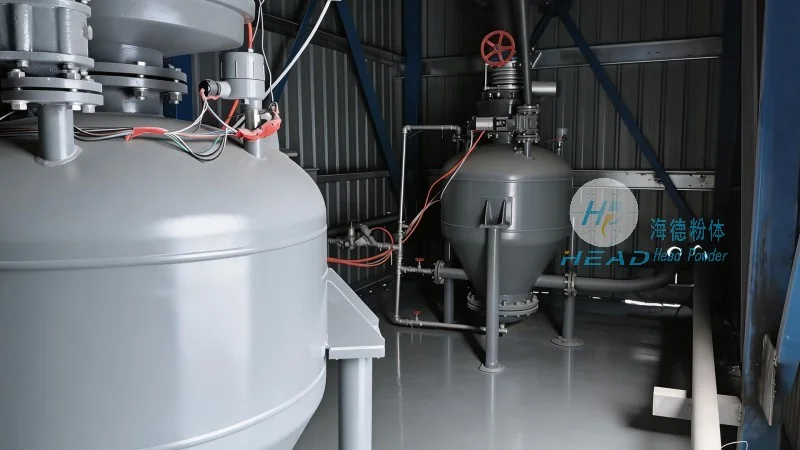
Negative Pressure Pneumatic Conveying System
Negative pressure systems, also known as vacuum systems, operate by creating a vacuum in the conveying line, drawing the material from the source into the system. This method is ideal for short-distance or localized conveying tasks, where the material is moved from a hopper or storage bin to a processing unit. The system consists of a vacuum pump, a hopper, and a discharge point. The negative pressure ensures that the material is drawn into the pipeline, and the air flow is filtered to remove dust particles before being released back into the environment. A significant advantage of negative pressure systems is their lower energy consumption compared to positive pressure systems, as they do not require high-pressure air to move the material.