

Analysis of Powder Mortar Pneumatic Conveying Technology: Comparison of Positive and Negative Pressu
Pneumatic conveying technology is a critical method for transporting dry powder materials like mortar in construction and industrial applications. The choice between positive pressure and negative pressure systems significantly impacts efficiency, cost, and operational safety. This article provides a detailed analysis of these two primary modes, highlighting their technical principles, advantages, and practical applications.
Understanding Positive Pressure Pneumatic Conveying
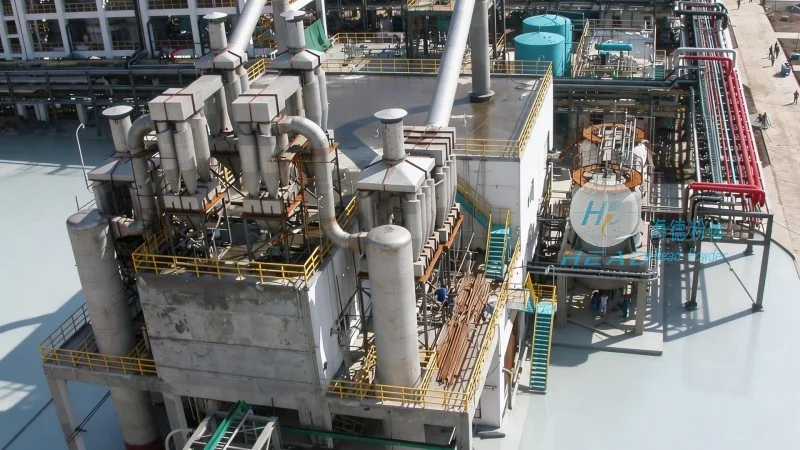
Positive pressure systems operate by blowing air or gas into the material stream, creating a pressure higher than the ambient environment. This method is often referred to as "blow" or "pressure" conveying. In this mode, a blower or compressor generates the necessary pressure to move the powder through a pipeline. The headpowder company, Shandong HeadPowder Engineering Co., Ltd., specializes in designing and manufacturing advanced positive pressure conveying systems tailored for various mortar applications.
Key features of positive pressure systems include high conveying capacity, ability to handle abrasive or corrosive materials, and suitability for long-distance or high-rise applications. These systems typically use a positive displacement blower or a centrifugal fan, with the blower being more common for high-pressure, high-capacity operations. The positive pressure approach ensures that the material is continuously pushed through the pipeline, reducing the risk of blockages and ensuring consistent flow rates.
Advantages of Positive Pressure Conveying
One of the primary advantages of positive pressure systems is their high efficiency in moving large volumes of powder over considerable distances. This makes them ideal for industrial-scale mortar production and distribution. The technology also allows for the integration of multiple conveying lines from a single source, enhancing operational flexibility. Additionally, positive pressure systems can handle materials with varying particle sizes and moisture content, making them versatile for different mortar formulations.
Challenges and Considerations
Despite their benefits, positive pressure systems have certain limitations. They require robust equipment to withstand high pressures, which can increase initial investment costs. Maintenance of high-pressure components, such as blowers and seals, is also more complex and may require specialized expertise. Furthermore, the higher air velocity in positive pressure systems can lead to increased wear on the pipeline and components, necessitating regular inspections and replacements.
Understanding Negative Pressure Pneumatic Conveying
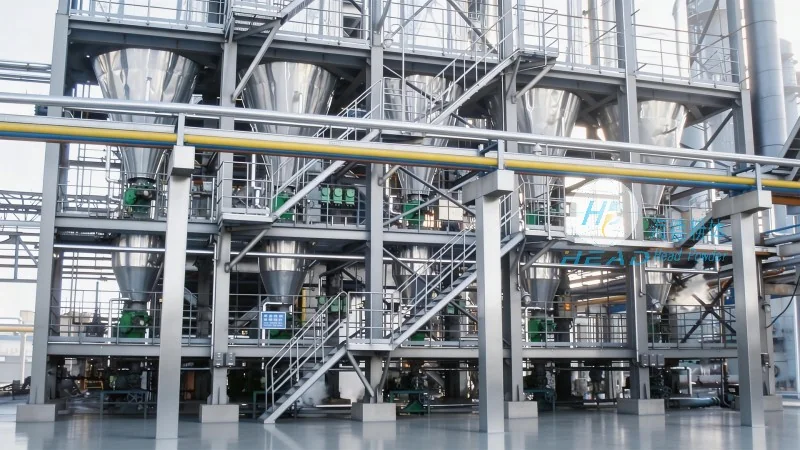
Negative pressure systems, also known as "suction" or "vacuum" conveying, operate by creating a lower pressure inside the pipeline compared to the ambient air. This pressure differential draws the powder material into the system. The headpowder company has also developed sophisticated negative pressure conveying solutions to meet diverse industry needs.
In negative pressure mode, a vacuum pump creates the required suction force. The material is drawn from the source, often through a hopper or silo, and transported through the pipeline. This method is particularly effective for handling fine powders that are prone to dusting or for applications where the material source is at a higher elevation than the destination.
Advantages of Negative Pressure Conveying
One significant advantage of negative pressure systems is their ability to handle fine or dusty powders without generating excessive air flow, which reduces the risk of dust contamination and improves workplace safety. The suction approach also allows for the collection of material from multiple sources and the integration of return air systems to minimize environmental impact. Negative pressure conveying is often more cost-effective for shorter distances and lower material volumes, as it requires less powerful equipment compared to positive pressure systems.
Challenges and Considerations
However, negative pressure systems have their own set of challenges. The main drawback is their lower conveying capacity compared to positive pressure systems, which limits their use for large-scale or long-distance applications. The vacuum pump must be powerful enough to overcome the resistance in the pipeline, and the system is more susceptible to blockages if the material is too coarse or contains large particles. Additionally, the higher air flow rates in negative pressure systems can lead to increased energy consumption and higher operating costs, especially for continuous operations.
Comparison of Positive and Negative Pressure Systems
When selecting between positive and negative pressure pneumatic conveying systems for mortar applications, several factors must be considered. The choice depends on the specific requirements of the project, including the distance between the source and destination, the volume of material to be transported, the particle size and properties of the mortar, and the available budget for equipment and maintenance.
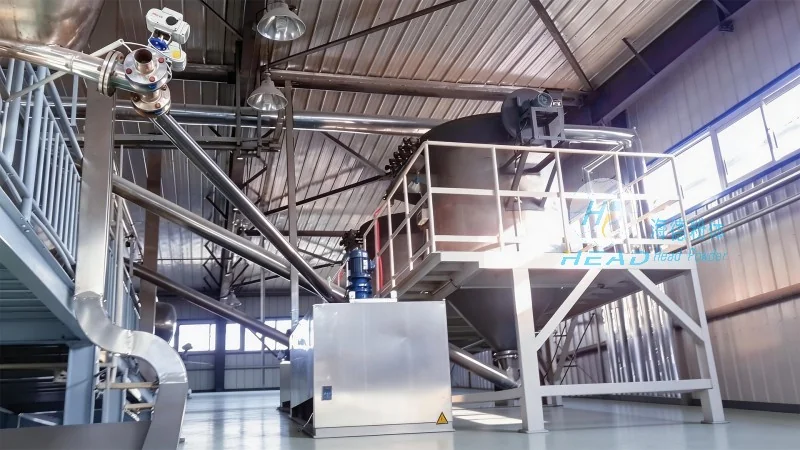
For applications requiring high capacity and long-distance transport, positive pressure systems are generally more suitable. They offer greater flexibility in pipeline design and can handle a wider range of material types. Conversely, negative pressure systems are preferred for shorter distances, fine powders, or applications where dust control and environmental compliance are critical. The headpowder company provides customized solutions that can integrate both positive and negative pressure components, allowing for hybrid systems that combine the advantages of both modes.
Applications in the Mortar Industry
The pneumatic conveying technology offered by Shandong HeadPowder Engineering Co., Ltd. is widely used in the mortar industry for various processes, including raw material handling, mixing, and product distribution. In raw material handling, positive pressure systems are used to transport cement, sand, and other dry ingredients from storage silos to production lines. Negative pressure systems are often employed for collecting dust or fine powders from mixing or processing equipment, ensuring a clean and efficient operation.
During the mixing process, both positive and negative pressure systems can be utilized to feed ingredients into the mixer. Positive pressure is typically used for larger, bulkier materials, while negative pressure may be used for fine additives or colorants. The flexibility of the headpowder conveying systems allows for seamless integration into existing production lines, minimizing downtime and maximizing productivity.
Conclusion
Pneumatic conveying technology plays a vital role in the efficient and safe handling of dry mortar materials. The comparison between positive and negative pressure modes reveals that each has distinct advantages and limitations, making the selection process critical for optimal performance. By understanding the technical principles and operational requirements, industry professionals can choose the most appropriate system for their specific needs. The headpowder company, with its expertise in engineering and manufacturing, continues to provide innovative solutions that enhance the efficiency and reliability of pneumatic conveying in the mortar industry.