

Analysis of Soybean Feed Pneumatic Conveying Technology: Comparison of Positive and Negative Pressur
HeadPowder, a leading engineering firm based in Shandong, China, specializes in the design and implementation of advanced pneumatic conveying systems tailored for the soybean feed industry. This article provides a detailed technical analysis of the two primary modes of pneumatic conveying—positive pressure and negative pressure—highlighting their applications, advantages, and considerations for efficient feed handling.
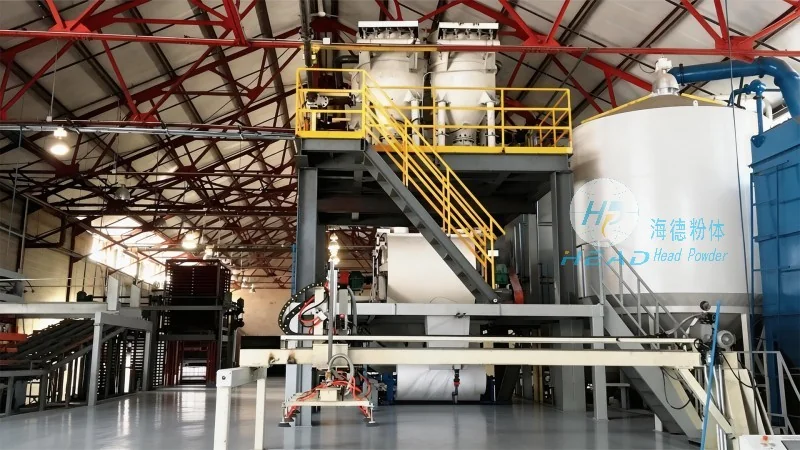
Understanding Pneumatic Conveying in Soybean Feed Processing
Pneumatic conveying is a critical component in modern soybean feed production, enabling the safe, efficient, and hygienic transport of bulk materials from storage to processing equipment. Unlike traditional mechanical systems like screw conveyors or belt conveyors, pneumatic systems use air to move materials, which can reduce contamination risks and improve operational flexibility. For soybean feed, which often includes high-moisture or delicate components, the choice of conveying mode is paramount to maintaining product quality and system performance.
Positive Pressure Pneumatic Conveying: Advantages and Applications
Positive pressure systems operate by blowing air into the conveying line, creating a pressure higher than the ambient environment. This mode is particularly effective for transporting materials from a central source to multiple destinations, such as feeding different processing lines or storage silos. HeadPowder’s expertise in positive pressure systems includes the design of high-capacity pipelines that can handle large volumes of soybean feed while maintaining consistent flow rates. The primary advantages of this mode include:
- Ability to transport materials over long distances with minimal pressure drop
- Reduced risk of material degradation due to lower friction and less exposure to air
- Enhanced system reliability with fewer moving parts compared to mechanical conveyors
For example, in a large-scale soybean feed plant, a positive pressure system might be used to move raw soybeans from a receiving hopper to a grinding mill, ensuring that the material is conveyed quickly and without the risk of clogging or contamination. The system’s ability to maintain a positive pressure also helps prevent dust accumulation and improves overall hygiene, which is critical for feed production where product quality directly impacts animal health.
Negative Pressure Pneumatic Conveying: Advantages and Applications
Conversely, negative pressure systems draw air and material through a vacuum, creating a pressure lower than the ambient environment. This mode is ideal for applications where the material needs to be transported from multiple sources to a single destination, such as collecting fine powders or dust from various processing points and consolidating them into a central storage bin. HeadPowder’s negative pressure solutions are engineered to handle fine soybean feed components, ensuring that even the most delicate particles are conveyed without loss or degradation.
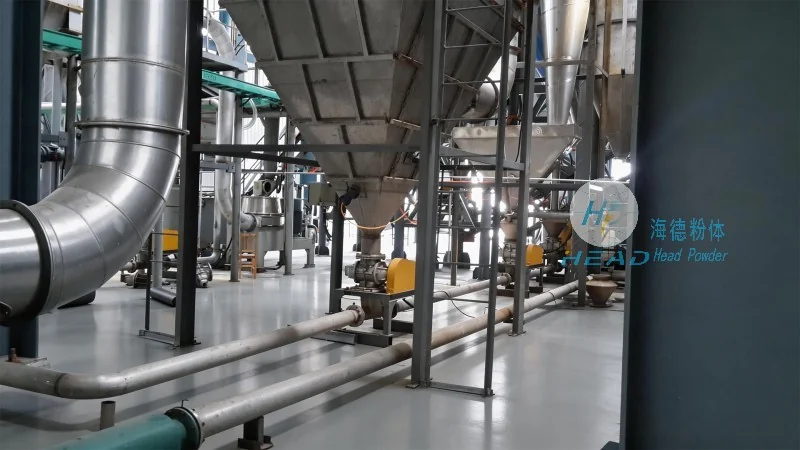
The key benefits of negative pressure conveying include:
- Efficient collection of fine materials from multiple points, reducing the need for separate collection systems
- Lower energy consumption compared to positive pressure systems for short to medium distances
- Improved safety by containing dust and preventing airborne particles from escaping into the environment
In a soybean feed processing facility, a negative pressure system might be employed to collect fine meal or dust from a grinding operation and transport it to a bagging area. This approach minimizes the risk of dust exposure for operators and ensures that all material is captured and processed, improving overall yield and reducing waste.
Comparative Analysis: Positive vs. Negative Pressure Conveying
When selecting between positive and negative pressure pneumatic conveying for soybean feed applications, several factors must be considered. The choice depends on the specific material characteristics, system layout, and operational goals of the feed plant. HeadPowder’s engineers conduct thorough assessments to determine the optimal mode for each client’s needs.
One of the most significant considerations is the material’s density and flowability. Positive pressure systems are generally more suitable for bulk, free-flowing materials like whole soybeans, as they can maintain consistent flow rates without the risk of clogging. Negative pressure systems, on the other hand, excel with fine or powdery materials, such as soybean meal, where the risk of particle separation or degradation is higher.
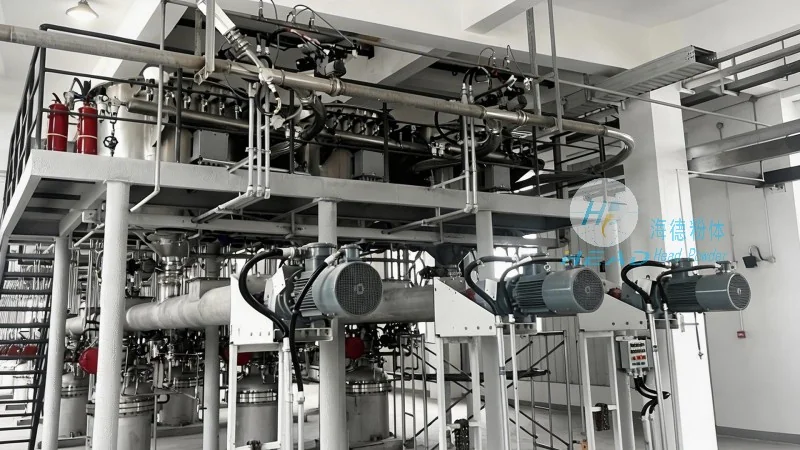
System layout and distance are also critical. Positive pressure systems are often preferred for long-distance transport (typically over 100 meters) due to their ability to maintain pressure and flow. Negative pressure systems are better suited for shorter distances (usually under 50 meters) where the vacuum can effectively draw materials without excessive energy consumption.
Energy efficiency is another key factor. Positive pressure systems typically require more energy to generate the necessary pressure, especially for large volumes or long distances. Negative pressure systems, while more energy-efficient for short runs, may require additional filtration to prevent dust buildup in the vacuum line. HeadPowder’s solutions are designed to balance these factors, ensuring that clients achieve optimal performance while minimizing operational costs.
HeadPowder’s Expertise in Pneumatic Conveying Solutions
As a company with over [years, e.g., 20] years of experience in the engineering and manufacturing of pneumatic conveying systems, HeadPowder has developed a deep understanding of the unique challenges faced by soybean feed producers. Our team of engineers works closely with clients to analyze their specific production processes, material characteristics, and operational requirements to design customized solutions that meet their exact needs.
HeadPowder’s approach to pneumatic conveying includes comprehensive system design, from initial feasibility studies to final installation and commissioning. We provide detailed technical documentation, including system schematics, performance specifications, and maintenance guidelines, ensuring that clients can operate and maintain their systems efficiently. Our commitment to quality and customer satisfaction has made us a trusted partner for many leading soybean feed manufacturers in China and beyond.