

Analysis of Glass Fiber Pneumatic Conveying Technology: Comparison of Positive and Negative Pressure
HeadPowder, a leading engineering firm based in Shandong, China, specializes in the design and implementation of advanced material handling solutions. Among their expertise lies the intricate technology of glass fiber pneumatic conveying, a critical process for efficiently transporting fine materials like glass fibers. This article delves into the core principles of pneumatic conveying, focusing on the two primary operational modes: positive pressure and negative pressure systems. By examining the distinct characteristics, advantages, and applications of each mode, we aim to provide a comprehensive understanding of how these systems function and where they are best suited.
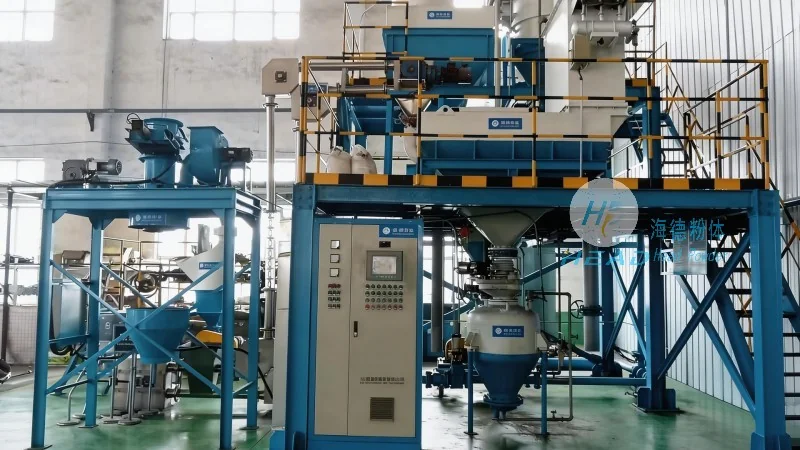
Understanding Pneumatic Conveying Fundamentals
Pneumatic conveying is a method of transporting bulk materials through a pipeline using air or gas as the conveying medium. The process involves creating a pressure differential between the inlet and outlet of the system to move the material. In the context of glass fiber handling, this technology is essential due to the delicate nature of the fibers, which require gentle and efficient transport to prevent breakage or contamination. The two main modes—positive pressure and negative pressure—differ primarily in how they generate the pressure differential and manage the air flow within the system.
Positive Pressure Pneumatic Conveying Systems
Positive pressure systems operate by blowing air or gas into the conveying line, creating a pressure that is higher than the ambient air pressure. This pressurized air then propels the material forward through the pipeline. HeadPowder's engineering solutions for positive pressure conveying often incorporate high-pressure blowers or compressors that generate the necessary force to move the glass fibers. A key advantage of this mode is its ability to handle long distances and multiple transfer points without significant pressure loss. The system can also be designed to operate under vacuum conditions at the receiving end, allowing for controlled discharge of the material. However, positive pressure systems may require more robust equipment and higher energy consumption compared to negative pressure alternatives, especially when dealing with abrasive or heavy glass fiber loads.
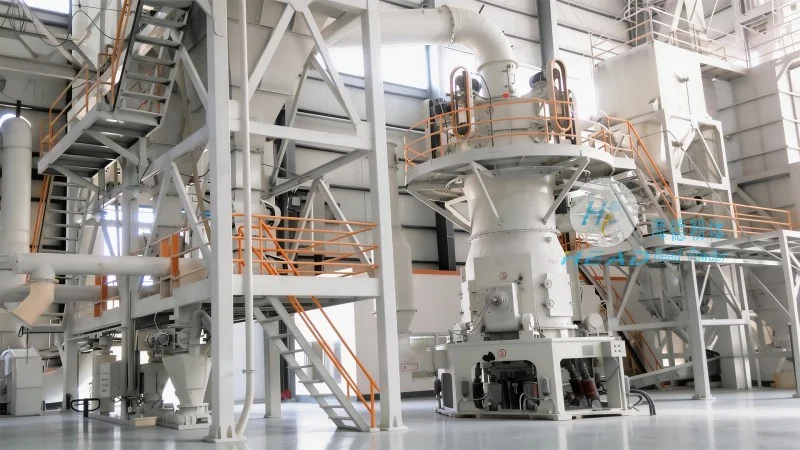
Negative Pressure Pneumatic Conveying Systems
Negative pressure systems, also known as vacuum conveying, work by creating a vacuum in the conveying line, which draws the material from the source into the system. The air and material mixture is then transported to the discharge point, where the air is filtered and the material is collected. HeadPowder’s negative pressure solutions typically use vacuum pumps to generate the suction force. This mode is particularly effective for handling fine, light materials like glass fibers, as the vacuum ensures gentle handling and minimal material degradation. Negative pressure systems are often preferred for applications where the material source is at a higher elevation or where the receiving point is lower, as the vacuum can pull the material upward. However, they may have limitations in terms of conveying distance and material capacity compared to positive pressure systems, as the pressure differential is limited by the vacuum pump's capacity.
Comparative Analysis: Positive vs. Negative Pressure
When selecting between positive and negative pressure pneumatic conveying for glass fiber applications, several factors must be considered. The choice depends on the specific characteristics of the glass fiber, such as particle size, moisture content, and abrasiveness, as well as the operational requirements of the facility. Positive pressure systems are generally more suitable for high-volume, long-distance transport and for handling materials that are more abrasive or heavier. They offer greater flexibility in terms of system layout and can accommodate multiple transfer points without significant performance degradation. Conversely, negative pressure systems excel in applications where the material is fine, light, and sensitive, as they provide a gentler conveying environment that minimizes fiber breakage and contamination. Additionally, negative pressure systems are often more energy-efficient for short-distance conveying and can be more cost-effective for smaller-scale operations.
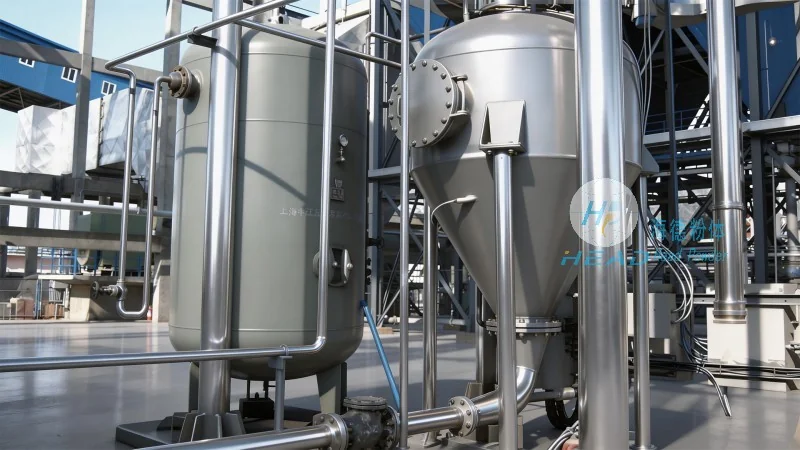
Applications and Industry Use Cases
HeadPowder’s expertise in both positive and negative pressure pneumatic conveying has enabled them to serve a wide range of industries, including the glass manufacturing sector. For example, in glass fiber production, positive pressure systems may be used to transport raw glass fibers from storage silos to processing lines, while negative pressure systems might be employed to handle fine glass powders for coating applications. The versatility of these systems allows HeadPowder to tailor solutions to meet the unique needs of each client, ensuring optimal performance and material integrity. Whether for large-scale production lines or smaller-scale processing facilities, the choice of positive or negative pressure mode directly impacts the efficiency and effectiveness of the glass fiber handling process.
Conclusion and Recommendations
In conclusion, the selection of a pneumatic conveying system for glass fiber applications requires a careful evaluation of operational parameters and material characteristics. Positive pressure systems offer robustness and flexibility for high-volume transport, while negative pressure systems provide gentleness and efficiency for fine, sensitive materials. HeadPowder, with its deep understanding of both modes, can provide tailored solutions that optimize material handling processes. By leveraging their engineering expertise, clients can achieve improved productivity, reduced material loss, and enhanced operational efficiency in their glass fiber handling operations. Whether considering positive or negative pressure, the key is to match the system to the specific requirements of the application to ensure the best possible outcomes.