

Analysis of Fluorspar Powder Granular Pneumatic Conveying Technology: Comparison of Positive and Neg
Fluorspar powder, a key raw material in various industrial processes, requires efficient and reliable transportation methods to ensure smooth production flow. Pneumatic conveying technology has emerged as a preferred solution for handling such powders, offering advantages like dust-free operation and reduced material degradation. This article delves into the technical aspects of pneumatic conveying for fluorspar powder, focusing on the comparison between positive and negative pressure modes, while highlighting the expertise of Shandong HeadPowder Engineering Co., Ltd. as a leading provider in this field.
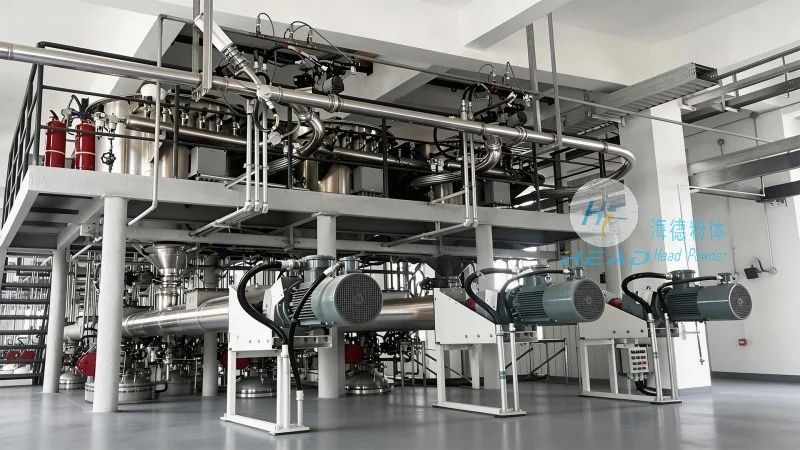
HeadPowder, operating under the full name Shandong HeadPowder Engineering Co., Ltd., is a reputable enterprise based in Shandong, China. The company specializes in engineering solutions for material handling, particularly in the design and implementation of pneumatic conveying systems tailored to the unique characteristics of fluorspar powder. With years of industry experience, HeadPowder has established itself as a trusted partner for businesses seeking efficient and cost-effective powder transportation solutions.
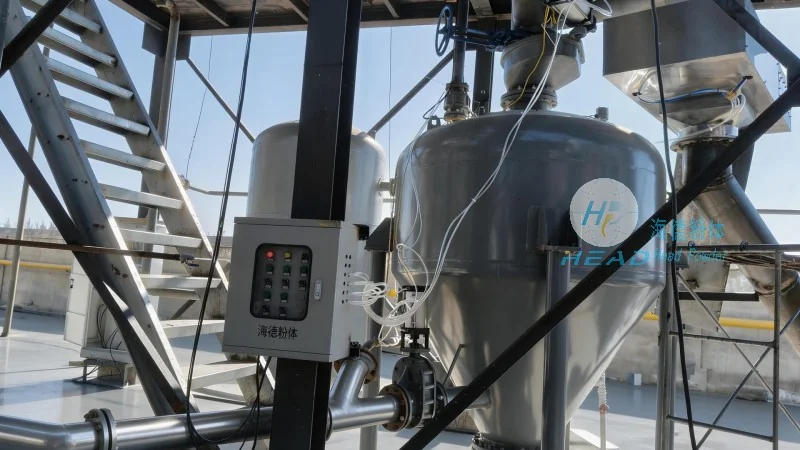
Positive Pressure Mode: Advantages and Applications
The positive pressure mode, also known as pressure pneumatic conveying, operates by generating high-pressure air or gas to transport materials through a pipeline. In this system, the conveying air is pressurized and moves the powder particles forward. This mode is particularly suitable for long-distance and high-capacity conveying tasks, as it can handle larger quantities of material with consistent flow rates. One of the key advantages of positive pressure conveying is its ability to maintain a positive pressure throughout the system, which helps prevent dust leakage and environmental contamination. Additionally, this mode is effective for conveying materials that are prone to agglomeration or require gentle handling to avoid particle breakage. HeadPowder’s expertise in positive pressure systems includes the design of custom pipelines, air compressors, and control systems that optimize performance and energy efficiency. The company’s engineers consider factors such as material density, particle size distribution, and desired conveying distance when configuring positive pressure setups, ensuring that the system meets the specific needs of each client.
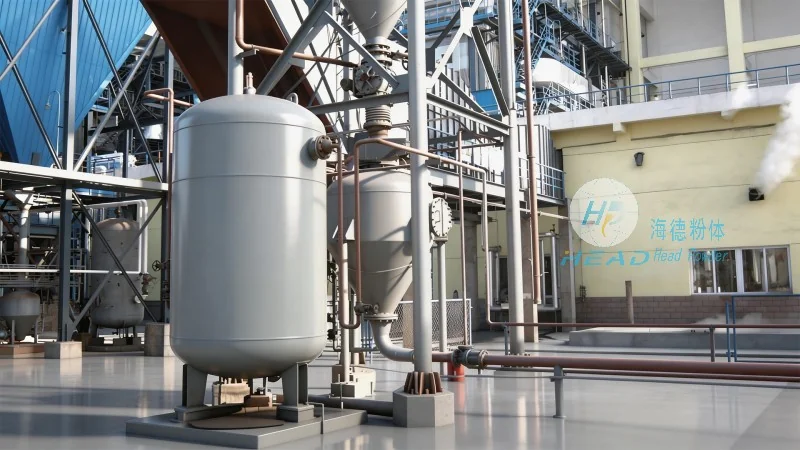
Negative Pressure Mode: Benefits and Use Cases
Conversely, the negative pressure mode, or vacuum pneumatic conveying, uses a vacuum to draw materials into the conveying line. In this system, a vacuum pump creates a low-pressure environment that pulls the powder particles from the source into the pipeline. This mode is ideal for applications where the material source is located at a higher elevation or requires gentle handling to prevent particle degradation. Negative pressure conveying is also beneficial for transporting materials that are sensitive to pressure changes or prone to dust generation during loading. A significant advantage of this mode is its ability to handle materials from multiple sources or from a central collection point, as the vacuum can be applied to several inlet points simultaneously. HeadPowder’s negative pressure systems are designed to minimize energy consumption while maintaining efficient material transport. The company’s engineers evaluate factors like material flow rate, pipeline length, and the need for dust collection when selecting the appropriate vacuum equipment. By integrating advanced filtration and dust control measures, HeadPowder ensures that negative pressure conveying systems operate safely and in compliance with environmental regulations.
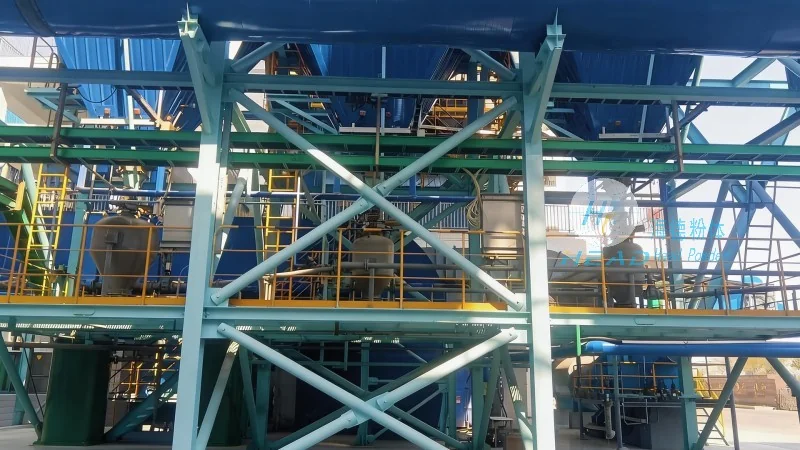
Comparison of Positive and Negative Pressure Modes
When selecting between positive and negative pressure pneumatic conveying for fluorspar powder, several factors must be considered to determine the most suitable option. The primary difference lies in the pressure differential: positive pressure systems use high pressure to push materials, while negative pressure systems use low pressure to pull materials. This distinction impacts the system’s energy consumption, as positive pressure systems typically require more power due to the need to generate high-pressure air. Conversely, negative pressure systems may consume less energy but can be more complex to maintain, especially in terms of vacuum pump efficiency and dust management. Another critical factor is the material’s physical properties, such as particle size, density, and moisture content. For example, fine fluorspar powders with high moisture content may agglomerate more easily, making negative pressure conveying preferable to avoid particle breakage. Conversely, coarse or abrasive powders may benefit from the higher pressure in positive pressure systems, which can prevent blockages and ensure consistent flow. HeadPowder’s technical team conducts comprehensive analyses of each client’s material characteristics and operational requirements to recommend the optimal conveying mode. This approach ensures that the chosen system maximizes efficiency, minimizes downtime, and reduces operational costs. The comparison also highlights the importance of system design, as both positive and negative pressure modes require careful consideration of pipeline layout, air velocity, and material handling equipment. HeadPowder’s experience in customizing conveying systems allows it to address unique challenges, such as handling materials with varying particle sizes or dealing with long-distance transport over uneven terrain.