

Analysis of Carbide Dust Gas-Solid Pneumatic Conveying Technology: Comparison of Positive and Negati
Carbide dust, a byproduct of the calcium carbide production process, poses significant challenges in handling and disposal due to its fine particle size and potential reactivity. Efficient and reliable transportation of this dust is crucial for maintaining production efficiency and ensuring environmental compliance. Pneumatic conveying systems offer a viable solution, with two primary modes—positive pressure and negative pressure—each presenting distinct advantages and considerations. This article provides an in-depth analysis of these technologies, focusing on their applications, operational principles, and performance characteristics.
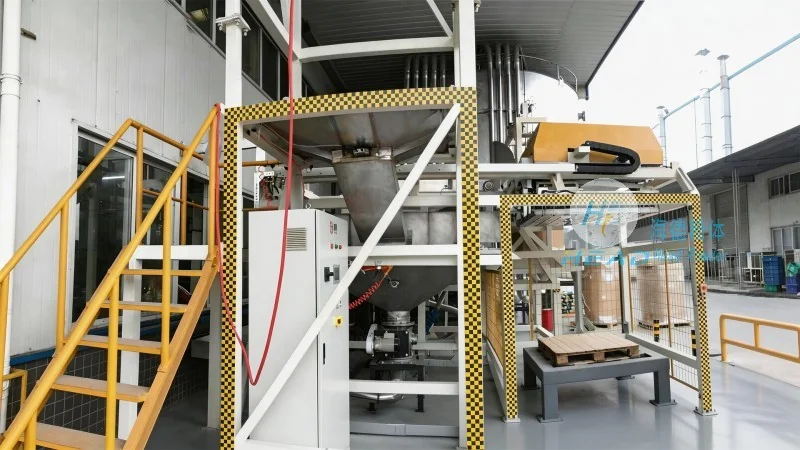
Shandong HeadPowder Engineering Co., Ltd.: Expert in Pneumatic Conveying Solutions
Shandong HeadPowder Engineering Co., Ltd., headquartered in Shandong, China, is a leading provider of advanced pneumatic conveying systems tailored for industrial applications. With years of experience in the field, the company specializes in customizing solutions for challenging materials like carbide dust, ensuring optimal performance and longevity. Their expertise lies in designing systems that balance efficiency, cost-effectiveness, and environmental responsibility, making them a trusted partner for industries seeking reliable material handling solutions.
Positive Pressure Pneumatic Conveying: Principles and Applications
Positive pressure systems operate by generating airflow within the conveying line, typically using a blower or fan to force air and material through the system. This mode is particularly effective for handling abrasive or corrosive materials, as the high-pressure air ensures thorough mixing and transport. For carbide dust, positive pressure conveying can be advantageous in scenarios where the material needs to be transported over long distances or through complex piping networks. The continuous airflow also helps maintain the material's flowability, reducing the risk of blockages. However, it requires robust equipment capable of withstanding high pressures and potential wear from abrasive particles.
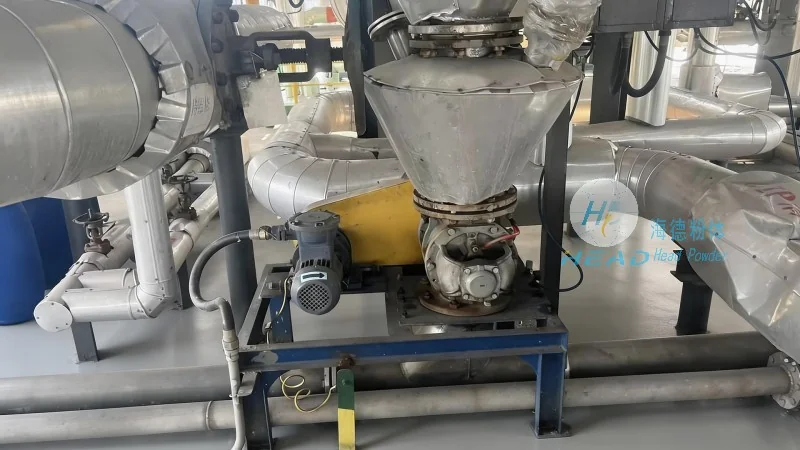
Negative Pressure Pneumatic Conveying: Operational Mechanics and Use Cases
Negative pressure systems, also known as vacuum conveying, rely on a vacuum pump to create a pressure differential that draws material from the source into the conveying line. This mode is often preferred for applications involving fine powders or materials that are sensitive to pressure changes, as it minimizes particle degradation and maintains product integrity. For carbide dust, negative pressure conveying is suitable for short-distance transport or when the material needs to be collected from multiple points. The vacuum environment also helps prevent dust emissions during loading, enhancing safety and compliance with environmental regulations. Nonetheless, negative pressure systems may face challenges with high moisture content or sticky materials, as the low pressure can lead to clogging in the suction line.
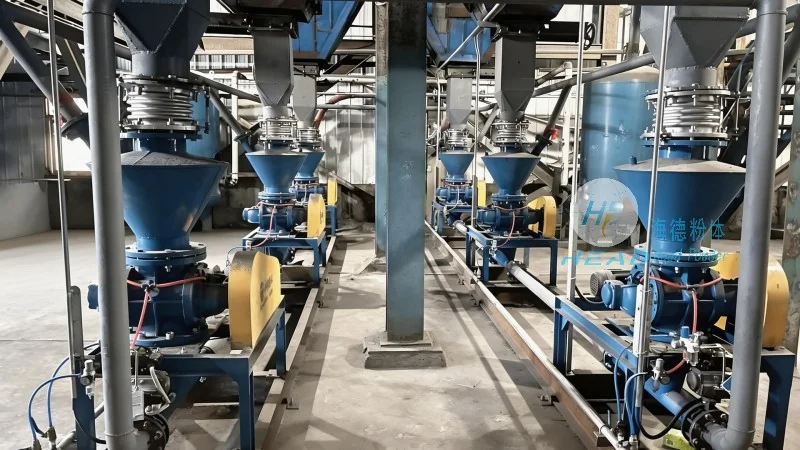
Key Considerations for Selecting the Right Mode
The choice between positive and negative pressure pneumatic conveying depends on several factors, including the material characteristics, system layout, and operational requirements. Material properties such as particle size, density, and moisture content significantly influence the selection. For instance, coarse or heavy carbide dust may benefit from positive pressure due to its ability to handle larger particles with less risk of blockage. Conversely, fine or hygroscopic dust might be better suited for negative pressure to preserve its quality and prevent agglomeration. System design, including the distance between the source and destination, the number of transfer points, and the presence of vertical or horizontal segments, also plays a critical role. Positive pressure systems are generally more suitable for long-distance or multi-point transport, while negative pressure is ideal for short distances or when the material needs to be collected from multiple sources.
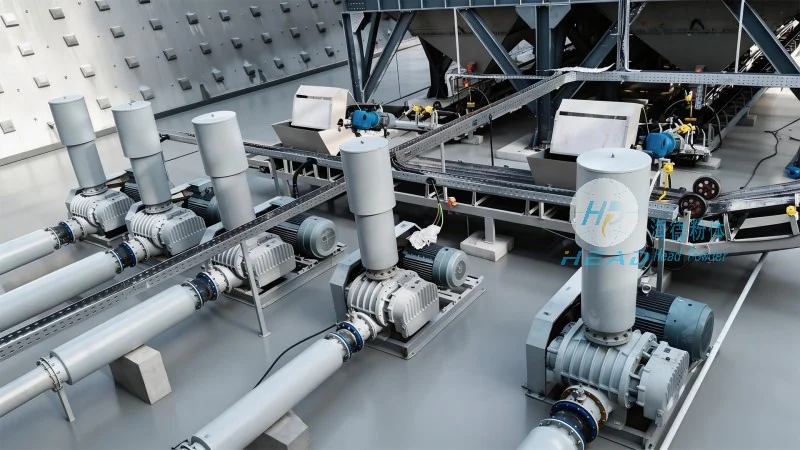
Performance Comparison: Efficiency, Maintenance, and Cost
When evaluating the two modes, several performance metrics come into play. Positive pressure systems typically offer higher conveying velocities, enabling faster material transport over longer distances. This can lead to reduced system downtime and increased production throughput. However, the higher pressure and abrasive nature of the material result in greater wear on components like pipes, valves, and blower components, leading to higher maintenance costs and potential system failures if not properly maintained. Negative pressure systems, while slower in terms of conveying speed, excel in maintaining material quality and reducing emissions. The vacuum environment minimizes particle degradation and prevents dust leakage, making them more suitable for applications where product purity is paramount. Maintenance for negative pressure systems is generally lower due to the lower pressure and less abrasive conditions, but the vacuum pump and suction line may require more frequent inspection to prevent clogging.
Case Study: Implementing Pneumatic Conveying for Carbide Dust at a Calcium Carbide Plant
A leading calcium carbide manufacturer in Shandong, China, recently upgraded its material handling system to improve efficiency and reduce environmental impact. The plant previously relied on manual handling of carbide dust, which was labor-intensive and posed health risks. By implementing a custom-designed positive pressure pneumatic conveying system from Shandong HeadPowder Engineering Co., Ltd., the plant achieved significant improvements. The system was configured to transport dust from multiple reactors to a central collection silo over a distance of 150 meters, with multiple vertical and horizontal segments. The positive pressure mode effectively handled the abrasive carbide dust, maintaining consistent flow rates and minimizing blockages. The plant reported a 30% reduction in labor costs and a 20% decrease in dust emissions, demonstrating the effectiveness of the solution. This case study highlights the importance of selecting the appropriate mode based on specific operational needs and material characteristics.