

Analysis of Light Calcium Carbonate Pneumatic Conveying Technology: Comparison of Positive and Negat
Light calcium carbonate (LCC) is a widely used industrial material in various sectors such as papermaking, plastics, and coatings. The efficient and reliable transportation of LCC from storage to processing units is crucial for maintaining production efficiency and product quality. Pneumatic conveying, a method that uses air to transport bulk materials, has become a preferred solution for LCC handling due to its ability to handle fine powders and minimize contamination. This article provides an in-depth analysis of the two primary pneumatic conveying modes—positive pressure and negative pressure systems—focusing on their technical aspects, operational characteristics, and suitability for LCC transport.
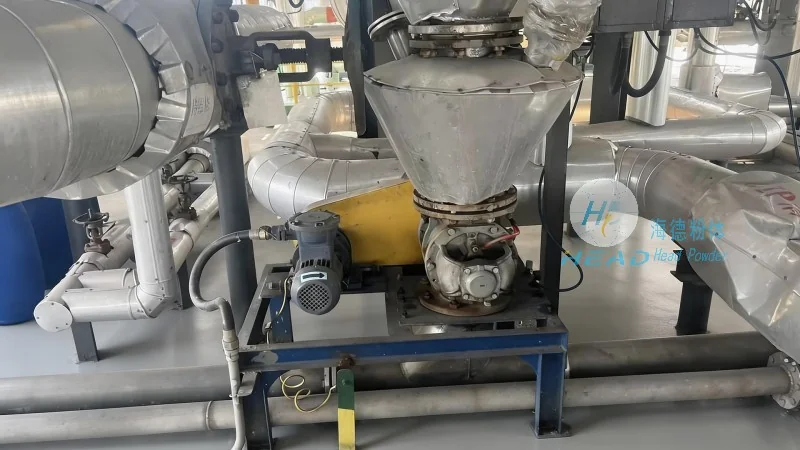
Introduction to Pneumatic Conveying Systems
Pneumatic conveying systems are categorized based on the pressure differential between the conveying line and the ambient environment. The two main types are positive pressure and negative pressure systems. Both systems utilize air as the conveying medium, but they differ in how they generate the necessary pressure difference to move the material. Understanding these differences is essential for selecting the appropriate system for LCC handling, as each mode has distinct advantages and limitations.
Positive Pressure Pneumatic Conveying Mode
Positive pressure systems operate by pressurizing the entire conveying line above atmospheric pressure. The conveying air is supplied by a blower or compressor, which forces air through the pipeline at a high velocity. As the air flows, it entrains the LCC particles, forming a dense mixture known as a "slurry" or "conveying stream." The positive pressure ensures that the material is continuously pushed forward, preventing backflow and ensuring consistent flow rates. This mode is particularly effective for long-distance and high-capacity transport, as the high pressure can overcome significant friction losses in the pipeline.
Key advantages of positive pressure systems include high conveying capacity, ability to handle long distances, and suitability for abrasive or corrosive materials like LCC. The pressurized environment also helps in maintaining the integrity of the material, reducing the risk of degradation or agglomeration. However, these systems require robust equipment to withstand high pressures, and the energy consumption is relatively higher compared to negative pressure systems. Additionally, the pressurized air can pose safety risks if not properly managed, such as the potential for explosion hazards in the presence of combustible materials.
Negative Pressure Pneumatic Conveying Mode
Negative pressure systems, also known as vacuum or suction systems, operate by creating a vacuum in the conveying line, which draws the LCC particles into the pipeline. The vacuum is generated by a vacuum pump, and the air flow is directed towards the material source, creating a suction effect. The material is then carried through the pipeline by the moving air, which is typically filtered and recirculated to maintain a clean environment. Negative pressure systems are generally more suitable for shorter distances and lower conveying rates compared to positive pressure systems.
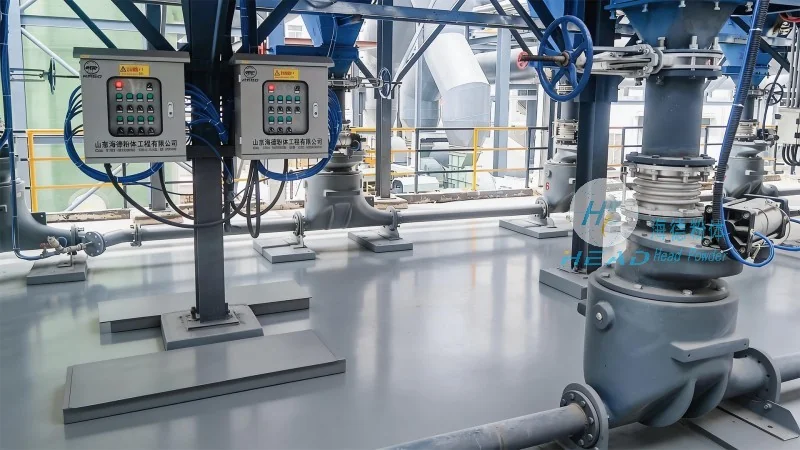
One of the primary benefits of negative pressure systems is their lower energy consumption and reduced equipment complexity. The vacuum pump operates at lower pressures, making the system more cost-effective for small-scale or localized applications. Additionally, the negative pressure environment helps in minimizing dust emissions and maintaining a cleaner working environment. However, negative pressure systems have limitations in terms of conveying distance and capacity. The suction effect diminishes over longer distances, and the system may struggle to handle high volumes of LCC, especially when dealing with fine powders that tend to settle or agglomerate.
Comparison of Positive and Negative Pressure Modes for LCC Conveying
When selecting a pneumatic conveying system for light calcium carbonate, it is essential to evaluate the specific requirements of the application, including the distance, capacity, and material characteristics. The comparison between positive and negative pressure modes highlights several critical factors:
First, the conveying distance and capacity are significant differentiators. Positive pressure systems excel in long-distance and high-capacity transport, making them ideal for large-scale industrial operations where LCC needs to be moved over several hundred meters or more. In contrast, negative pressure systems are better suited for shorter distances, typically up to a few hundred meters, and lower capacities. This makes them suitable for applications such as feeding LCC into processing equipment located nearby.
Second, the energy consumption and operational costs differ substantially between the two modes. Positive pressure systems require higher energy input due to the need to maintain high pressure, which can increase operational expenses. Negative pressure systems, on the other hand, consume less energy and are generally more economical for smaller-scale operations. However, the initial investment for negative pressure systems may be lower due to simpler equipment requirements.
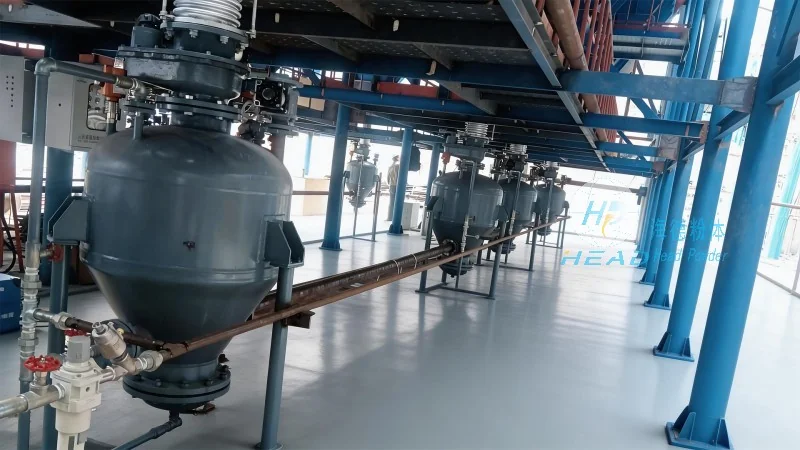
Third, the material handling characteristics and environmental considerations play a role in the choice of system. Positive pressure systems are better at handling abrasive or corrosive materials without causing degradation, as the pressurized environment protects the material from external factors. Negative pressure systems, while cleaner, may require additional filtration to prevent dust from escaping into the environment. For LCC, which is a fine powder, the risk of dust dispersion is a concern, and negative pressure systems may need more robust filtration to maintain air quality.
Application Considerations for LCC Pneumatic Conveying
Based on the comparison, the choice between positive and negative pressure pneumatic conveying systems for light calcium carbonate depends on several practical factors. For large-scale industrial plants with long transport distances and high production rates, positive pressure systems are often the preferred choice due to their higher capacity and reliability. These systems can handle large volumes of LCC efficiently and maintain consistent flow rates, which is critical for continuous production processes.
For smaller-scale operations or applications where the LCC needs to be transported over shorter distances, negative pressure systems may be more appropriate. These systems are less complex and more cost-effective, making them suitable for applications such as feeding LCC into mixing or coating equipment located close to the storage area. Additionally, negative pressure systems are beneficial in environments where dust control is a priority, as they minimize the risk of airborne particles.
Conclusion
In conclusion, both positive and negative pressure pneumatic conveying modes offer viable solutions for light calcium carbonate transport, each with its own set of advantages and limitations. The selection of the appropriate system depends on the specific operational requirements, including distance, capacity, energy efficiency, and environmental considerations. By understanding the technical aspects and operational characteristics of both modes, industrial operators can make informed decisions to optimize their LCC handling processes and enhance overall production efficiency.