

Analysis of Pneumatic Conveying Technology for Positive and Negative Electrode Materials: Comparison
HeadPowder, a leading engineering firm based in Shandong, China, specializes in advanced material handling solutions tailored for the battery industry. This article provides a detailed technical analysis of pneumatic conveying systems used for positive and negative electrode materials, focusing on the comparative advantages of positive and negative pressure modes.
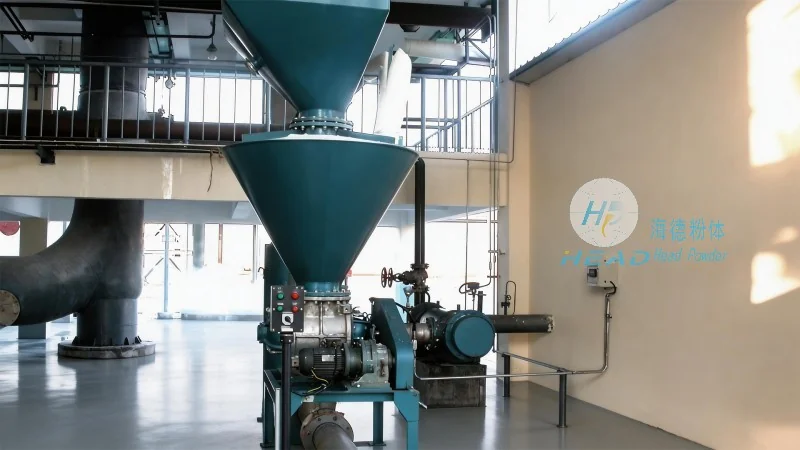
Introduction to Pneumatic Conveying for Battery Materials
Pneumatic conveying is a critical process in the production of lithium-ion batteries, as it efficiently transports fine powders like positive and negative electrode materials from storage to processing equipment. The technology involves transporting materials using a stream of air, either by creating a vacuum (negative pressure) or pressurizing the system (positive pressure). Understanding the operational principles and performance characteristics of these two modes is essential for optimizing material handling in battery manufacturing facilities.
Positive Pressure Conveying Mode
Positive pressure conveying operates by pressurizing the entire system, typically using a blower or compressor to generate an air flow that pushes the material through the pipeline. This mode is commonly used for materials that are prone to caking or have high moisture content, as the pressurized air helps maintain material flow and prevents blockages. The system design includes a hopper, a rotary valve, and a conveying line, with the air flow directed to ensure consistent material transport. Positive pressure systems are also effective for handling abrasive materials, as the pressurized air provides sufficient force to move the particles without excessive wear on components.
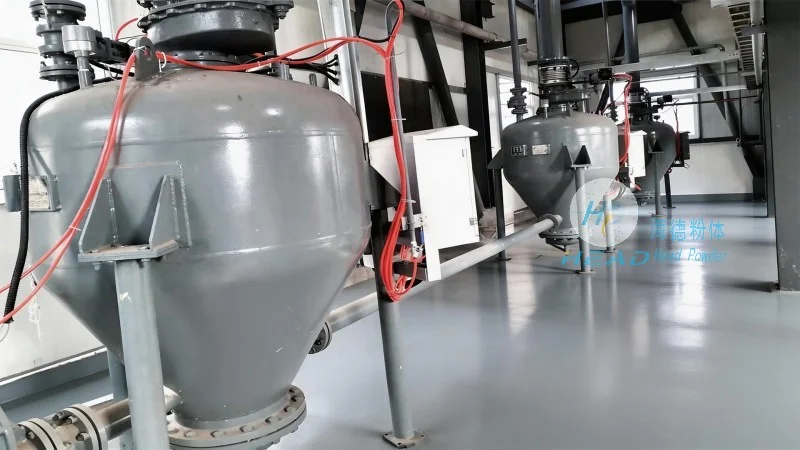
Negative Pressure Conveying Mode
Negative pressure conveying, also known as vacuum conveying, creates a vacuum in the system to draw material from the source into the conveying line. This mode is often preferred for materials that are sensitive to air exposure, such as certain types of cathode materials that may degrade when exposed to oxygen or moisture. The process involves a vacuum pump, a hopper with a feed mechanism, and a filter to capture fine particles. Negative pressure systems are generally more energy-efficient for short-distance conveying and are suitable for handling materials that require gentle handling to maintain particle integrity.
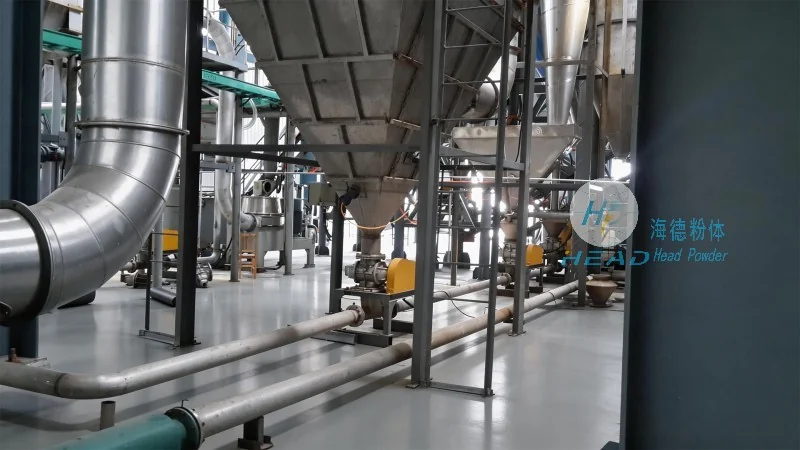
Comparison of Positive and Negative Pressure Modes
When evaluating the two modes, several factors must be considered, including material properties, conveying distance, system complexity, and operational costs. Positive pressure systems are generally more robust for high-volume and abrasive materials, offering higher conveying velocities and reduced risk of blockages. However, they may require more maintenance due to the higher air pressure and potential for wear on components. Negative pressure systems, on the other hand, are more suitable for sensitive materials and shorter distances, with lower energy consumption and simpler filtration requirements. The choice between the two modes depends on the specific application and the characteristics of the electrode materials being handled.
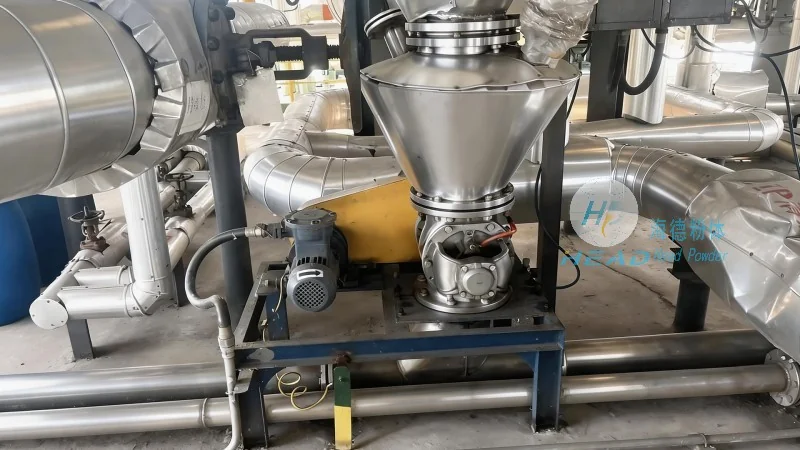
HeadPowder's Expertise in Pneumatic Conveying Solutions
Shandong HeadPowder Engineering Co., Ltd. leverages decades of experience in designing and implementing customized pneumatic conveying systems for the battery industry. The company's engineers work closely with clients to assess material properties, production requirements, and facility constraints to develop optimal solutions. By integrating advanced control systems and high-quality components, HeadPowder ensures reliable and efficient material handling, reducing downtime and improving overall production efficiency. The company's commitment to innovation and customer satisfaction has made it a trusted partner for battery manufacturers seeking to enhance their material processing capabilities.
Conclusion
In conclusion, the selection of pneumatic conveying mode—positive or negative pressure—plays a crucial role in the efficient handling of positive and negative electrode materials in lithium-ion battery production. Each mode offers distinct advantages based on material characteristics and operational needs. By understanding the technical differences and performance metrics, battery manufacturers can choose the most suitable system to optimize their production processes. HeadPowder's expertise in pneumatic conveying technology provides valuable insights and tailored solutions to meet the evolving demands of the battery industry.