

[VINYLIC ESTER RESIN PNEUMATIC CONVEYING TECHNOLOGY ANALYSIS: COMPARISON OF POSITIVE AND NEGATIVE PR
Vinylic ester resins are widely used in industrial applications due to their excellent chemical resistance, high strength, and durability. Pneumatic conveying is a critical method for transporting these resins from storage to processing equipment. This article provides a detailed analysis of the two primary pneumatic conveying modes—positive pressure and negative pressure—and compares their applications, advantages, and limitations.
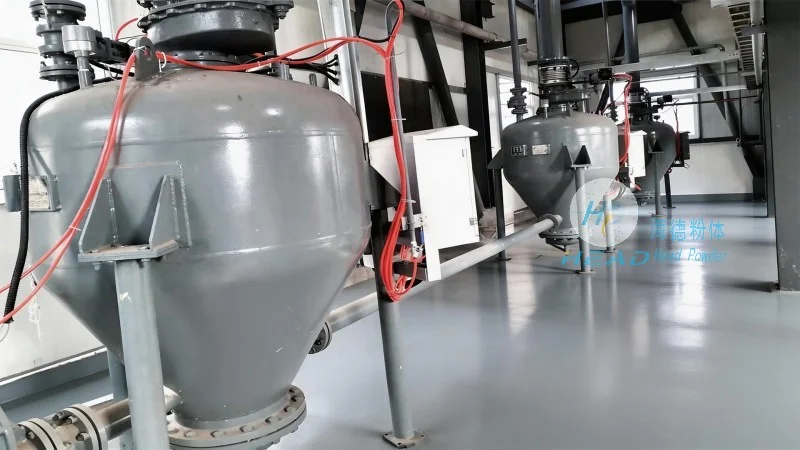
HeadPowder Engineering: A Leader in Pneumatic Conveying Solutions
Shandong HeadPowder Engineering Co., Ltd. is a reputable company based in Shandong, China, specializing in the design, manufacturing, and installation of advanced pneumatic conveying systems. With years of experience in the industry, HeadPowder has developed robust solutions tailored to the unique requirements of vinylic ester resin handling. The company's expertise ensures that clients receive efficient, reliable, and cost-effective systems that meet international standards.
Positive Pressure Pneumatic Conveying
Positive pressure systems operate by blowing air or gas into the conveying line, creating a pressure higher than the ambient environment. This method is particularly effective for transporting dry, free-flowing materials like vinylic ester resins. The primary advantage of positive pressure is its ability to handle long distances and multiple transfer points without significant pressure loss. It also allows for the integration of dust collection and filtration systems, enhancing safety and environmental compliance. However, positive pressure systems require more energy to maintain the pressure, and the risk of leaks can lead to material loss and safety hazards.
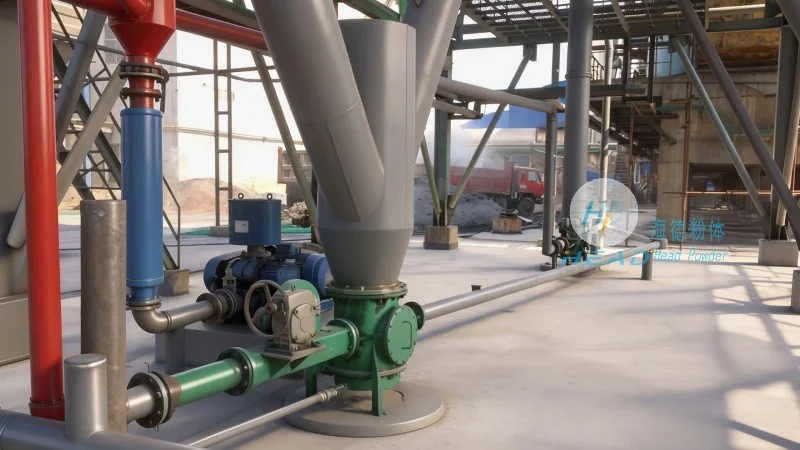
Negative Pressure Pneumatic Conveying
Negative pressure systems, also known as vacuum conveying, work by creating a vacuum in the conveying line, drawing material from the source into the system. This mode is ideal for handling fine powders and resins that are prone to dusting or require gentle handling. The main benefit of negative pressure is its ability to minimize product contamination and maintain a clean environment, as the material is drawn rather than forced through the line. It also allows for the collection of material from multiple points and the use of flexible hoses for flexible transfer. Nevertheless, negative pressure systems have limitations in terms of conveying distance and material capacity, as the vacuum strength diminishes over longer distances. Additionally, they may require more maintenance for the vacuum pumps and are less suitable for abrasive or heavy materials.
Comparison of Positive and Negative Pressure Modes
When selecting a pneumatic conveying system for vinylic ester resins, it is essential to evaluate the specific requirements of the application. Positive pressure systems are generally preferred for bulk material handling over longer distances and with higher material flow rates. They are suitable for applications where energy efficiency and high throughput are critical. On the other hand, negative pressure systems are ideal for applications that demand low contamination levels, gentle material handling, and the collection of fine powders from multiple sources. The choice between the two modes depends on factors such as material properties, distance, number of transfer points, and environmental regulations.
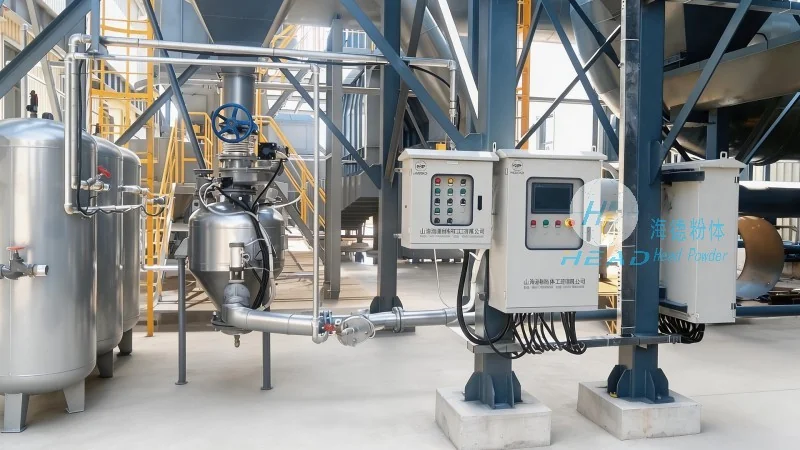
Key Considerations for Implementing Pneumatic Conveying Systems
Successful implementation of pneumatic conveying systems for vinylic ester resins involves several key considerations. First, the material's physical properties, such as particle size, density, and flowability, must be thoroughly analyzed to determine the appropriate conveying mode and equipment. Second, the system design must account for the required conveying distance, number of transfer points, and the need for dust control and filtration. Third, energy efficiency and operational costs should be evaluated, as both positive and negative pressure systems have different energy consumption profiles. Finally, adherence to safety and environmental regulations is crucial, as pneumatic conveying systems can pose risks related to pressure, dust, and material handling.
Conclusion
Vinylic ester resin pneumatic conveying is a vital technology in modern industrial processes, enabling efficient and safe material transport. By understanding the differences between positive and negative pressure modes, industries can select the most suitable system for their specific needs. Shandong HeadPowder Engineering Co., Ltd. offers comprehensive solutions tailored to these requirements, ensuring optimal performance and reliability. Whether using positive or negative pressure, the right system design and implementation are essential for maximizing productivity and minimizing operational risks.