

Analysis of Pneumatic Conveying Technology for Lithium-Ion Battery Anode Materials: Comparison of Po
HeadPowder, a leading engineering firm based in Shandong, China, specializes in advanced material handling solutions, particularly in the field of pneumatic conveying for lithium-ion battery anode materials. This article provides a detailed analysis of the pneumatic conveying technologies used in the battery manufacturing industry, focusing on the comparison between positive and negative pressure modes.
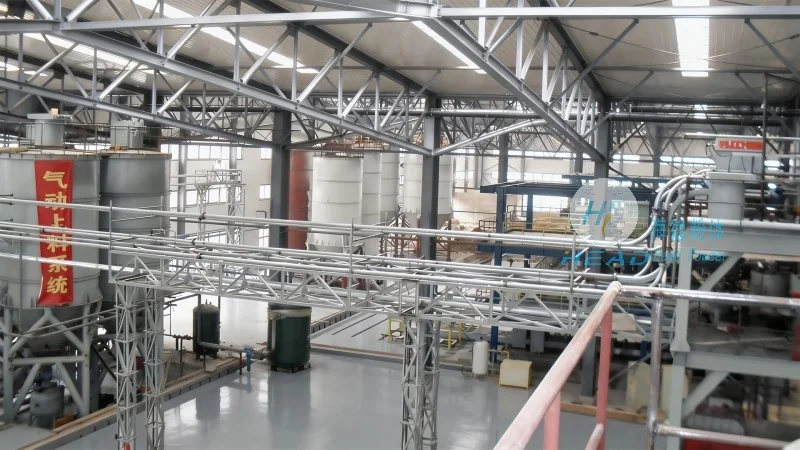
Importance of Pneumatic Conveying in Lithium-Ion Battery Production
Pneumatic conveying is a critical process in the production of lithium-ion batteries, as it efficiently transports anode materials such as graphite, silicon, and other powders from storage to processing units. The technology ensures a clean, dust-free, and controlled environment, which is essential for maintaining the quality and performance of the final battery products. For companies in the battery sector, selecting the appropriate conveying mode is crucial to optimize operational efficiency, reduce material loss, and enhance overall production throughput.
Positive Pressure Pneumatic Conveying System
Positive pressure conveying operates by generating air pressure within the conveying line, which pushes the material forward. This mode is commonly used for short to medium-distance transport and is particularly effective when dealing with materials that are prone to caking or have high moisture content. The system typically includes a blower or air compressor at the inlet, which supplies the necessary air pressure to move the material. HeadPowder's positive pressure systems are designed with robust components, such as high-efficiency filters and pressure regulators, to ensure reliable operation and minimal maintenance. The positive pressure mode is ideal for applications where the material is transported from a central storage silo to a processing plant, as it allows for a continuous and unidirectional flow of material.
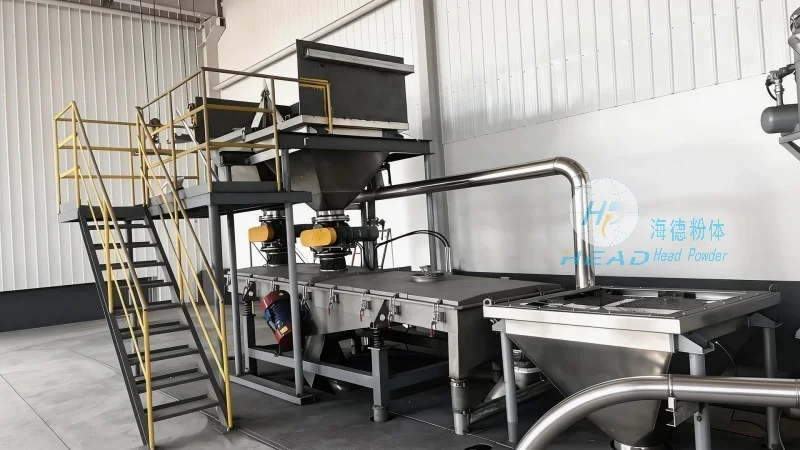
Negative Pressure Pneumatic Conveying System
Negative pressure conveying, also known as vacuum conveying, works by creating a vacuum at the inlet of the conveying line, which draws the material into the system. This mode is suitable for longer distances and is often used when the material needs to be transported from multiple points to a central collection point. The system relies on a vacuum pump to create the negative pressure, and it typically includes a hopper or feeder at the material source to ensure a consistent flow. HeadPowder's negative pressure systems are equipped with advanced vacuum control units and material feeders to maintain a stable conveying rate. The negative pressure mode is particularly beneficial for handling fine powders that are sensitive to pressure changes or for applications where the material is sourced from multiple locations.
Comparison of Positive and Negative Pressure Modes
When comparing the two modes, several factors need to be considered, including the distance of material transport, the type of material, and the required throughput. Positive pressure systems are generally more suitable for shorter distances and for materials that are less prone to degradation under pressure. They offer higher conveying velocities and can handle larger quantities of material at once. On the other hand, negative pressure systems are better suited for longer distances and for fine powders that require gentle handling to prevent agglomeration. They are also more effective in collecting material from multiple sources and transporting it to a central processing unit. HeadPowder's engineering team conducts thorough assessments of each client's specific needs to recommend the most appropriate conveying mode, ensuring optimal performance and cost-effectiveness.
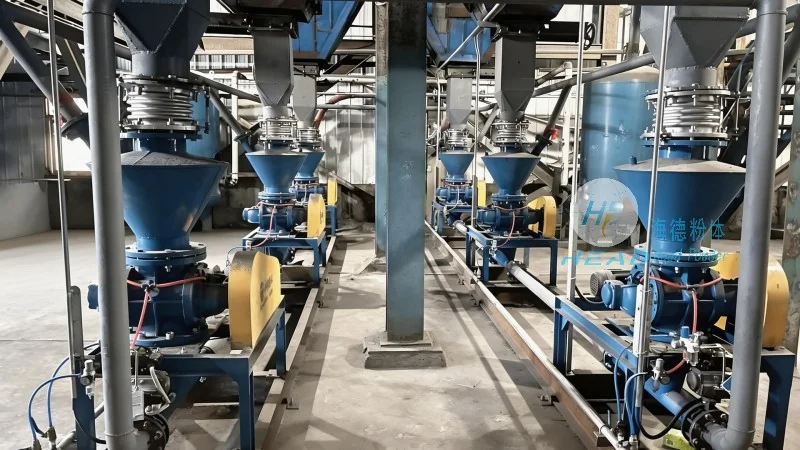
HeadPowder's Expertise in Pneumatic Conveying Solutions
As a company with extensive experience in material handling engineering, HeadPowder provides customized pneumatic conveying solutions tailored to the unique requirements of lithium-ion battery manufacturers. Our team of engineers works closely with clients to analyze their production processes, material characteristics, and operational constraints to design and implement the most efficient conveying systems. Whether a client requires a positive pressure system for short-distance transport or a negative pressure system for long-distance handling, HeadPowder offers comprehensive solutions that include system design, installation, and maintenance services. Our commitment to quality and innovation has made us a trusted partner in the battery industry, helping companies improve their production efficiency and reduce operational costs.
Conclusion
In conclusion, the choice between positive and negative pressure pneumatic conveying systems for lithium-ion battery anode materials depends on various factors, including the distance of transport, material properties, and production requirements. HeadPowder, with its expertise and advanced technology, provides reliable and efficient solutions for both modes, ensuring that battery manufacturers can achieve optimal performance and maintain high product quality. By leveraging our engineering capabilities and understanding of the industry, we help clients streamline their material handling processes and stay competitive in the rapidly evolving battery market.