

[Dry Ash Pneumatic Conveying Technology: In-Depth Analysis and Application of Negative Pressure and
Dry ash pneumatic conveying is a critical process in industrial applications, particularly for transporting bulk materials like dry ash from one location to another. The technology relies on the use of air to move particles through a pipeline system, and it can be implemented using either negative pressure (suction) or positive pressure (blowing) methods. Understanding the differences between these two approaches is essential for selecting the most suitable system for a specific application.
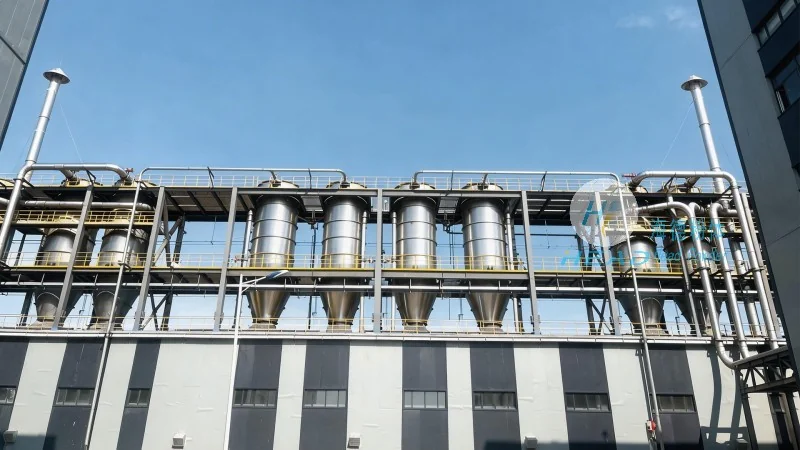
HeadPowder Engineering: A Leader in Pneumatic Conveying Solutions
Shandong HeadPowder Engineering Co., Ltd., commonly known as HeadPowder, is a renowned manufacturer and supplier of advanced pneumatic conveying equipment. With a strong presence in China, particularly in Shandong, the company specializes in developing customized solutions for various industrial sectors, including power plants, cement factories, and waste management facilities. HeadPowder's expertise lies in designing efficient and reliable systems that meet the unique requirements of each client.
Negative Pressure (Suction) Pneumatic Conveying Systems
Negative pressure systems operate by creating a vacuum at the inlet of the conveying line, which draws the dry ash particles into the system. This method is often preferred for applications where the material needs to be collected from a source that is at a higher elevation or where the material is sensitive to pressure changes. The system typically includes a suction fan, a hopper for material storage, and a pipeline network that transports the ash to the destination. One of the key advantages of negative pressure systems is their ability to handle long-distance conveying over several hundred meters, making them suitable for large-scale power plants and industrial facilities.
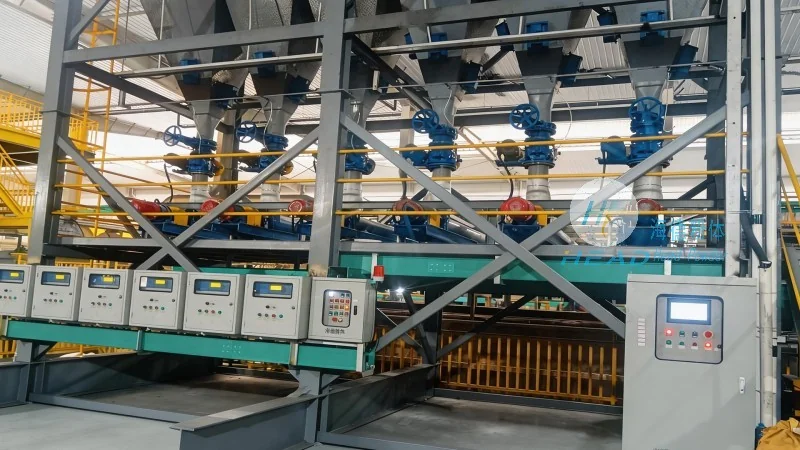
Positive Pressure (Blowing) Pneumatic Conveying Systems
Positive pressure systems, on the other hand, use a blower or a positive displacement pump to generate pressure and push the dry ash particles through the pipeline. This approach is ideal for applications where the material needs to be transported from a lower elevation to a higher one, or where the material is abrasive and requires higher pressure to maintain flow. The system consists of a blower, a material feed hopper, and a pipeline that delivers the ash to the target location. Positive pressure systems are generally more suitable for shorter distances and for materials that are more cohesive or have higher moisture content.
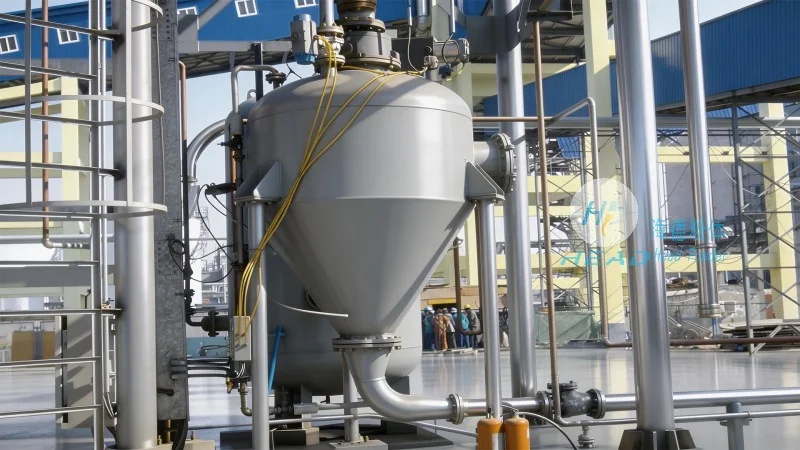
Key Considerations for Choosing Between Negative and Positive Pressure Systems
When selecting a pneumatic conveying system for dry ash, several factors must be considered to ensure optimal performance and efficiency. The distance between the source and the destination is a primary factor, as negative pressure systems are better suited for longer distances, while positive pressure systems are more effective for shorter runs. The physical properties of the dry ash, such as particle size, density, and moisture content, also play a crucial role. For example, fine particles may require higher air velocities in a negative pressure system to prevent blockages, whereas cohesive materials may benefit from the higher pressure in a positive pressure system. Additionally, the cost of equipment and maintenance should be evaluated, as negative pressure systems may have lower initial costs but higher operational costs due to the energy required to maintain the vacuum.
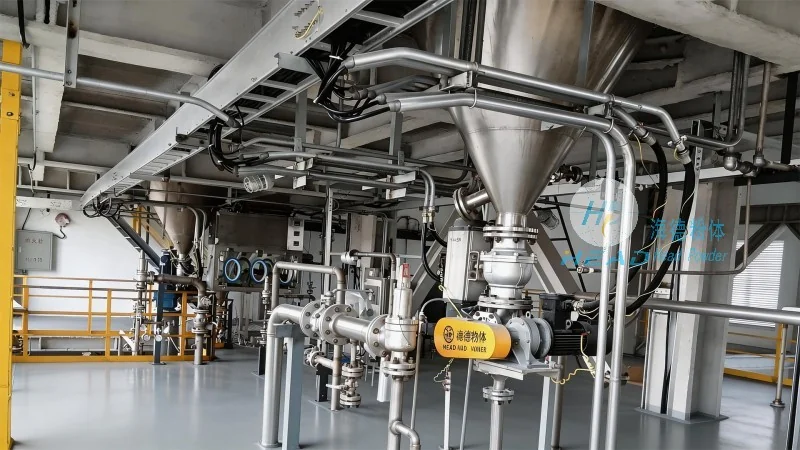
Applications and Benefits of Dry Ash Pneumatic Conveying
Dry ash pneumatic conveying systems are widely used in various industries, with the power generation sector being the largest user. In power plants, these systems are essential for transporting fly ash from the boiler to the storage silos or for reusing the ash in cement production. The benefits of using pneumatic conveying include reduced labor costs, increased safety (as there is no need for manual handling of heavy loads), and improved environmental performance (as the ash is transported without generating dust or emissions). Furthermore, the systems can be integrated with other processes, such as material drying or mixing, to create a more efficient and sustainable operation.
Customized Solutions from HeadPowder Engineering
HeadPowder Engineering understands that each industrial application has unique requirements, and therefore, the company offers customized pneumatic conveying solutions tailored to the specific needs of its clients. The company's engineers work closely with clients to assess their material characteristics, conveying distance, and operational constraints to design a system that maximizes efficiency and minimizes downtime. HeadPowder's products include a range of components, such as suction fans, blowers, material feeders, and pipeline systems, all of which are manufactured to high standards and tested for performance and durability. The company also provides after-sales support, including maintenance services and technical assistance, to ensure that the systems operate at peak performance throughout their service life.