

Sand and Gravel Pneumatic Conveying Technology: In-Depth Analysis of Negative Pressure and Positive
Shandong HeadPowder Engineering Co., Ltd., headquartered in Shandong, China, specializes in advanced pneumatic conveying solutions designed for the sand and gravel industry. Pneumatic conveying technology has become a critical component in modern material handling, offering efficient, dust-free, and flexible methods for transporting bulk materials such as sand, gravel, and other granular substances. This article provides an in-depth analysis of the two primary pneumatic conveying systems—negative pressure (suction) and positive pressure (pressure)—and their applications in the sand and gravel sector.
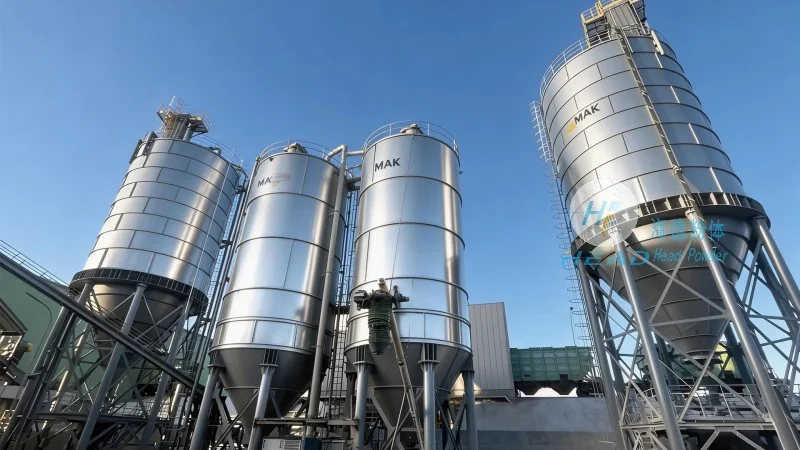
Differentiating Negative Pressure and Positive Pressure Conveying Systems
In pneumatic conveying, the primary distinction lies in the pressure differential between the conveying line and the ambient environment. Negative pressure systems operate by creating a vacuum within the pipeline, drawing material from the source to the destination. Conversely, positive pressure systems use compressed air to force material through the pipeline. Each system has unique characteristics that make it suitable for different operational requirements.
Negative Pressure (Suction) Pneumatic Conveying Systems
Negative pressure systems, also known as suction or vacuum conveying, are ideal for applications requiring long-distance transport, multiple pick-up points, or the need to minimize dust emissions. These systems work by creating a low-pressure zone in the pipeline, which draws material from the source into the conveying line. The key components of a negative pressure system include a vacuum pump, a hopper or feed device, and a filter to capture fine particles. The process begins with material being loaded into the hopper, where it is then drawn into the pipeline by the vacuum created by the pump. As material travels through the line, it is mixed with air, and the mixture is filtered at the destination to separate the material from the air stream. This method is particularly effective for transporting materials that are sensitive to moisture or require a clean, dust-free environment, such as in construction sites or industrial processing plants.
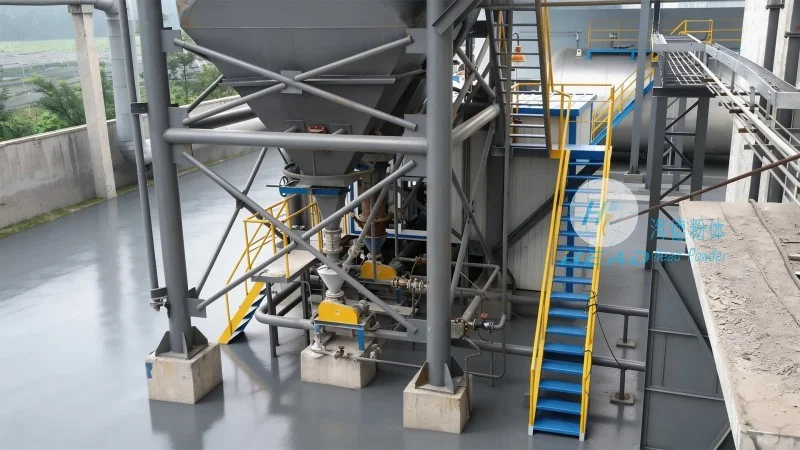
Positive Pressure (Pressure) Pneumatic Conveying Systems
Positive pressure systems, or pressure conveying, utilize compressed air to push material through the pipeline. These systems are typically more suitable for short to medium distances and high material concentrations. The primary advantage of positive pressure systems is their ability to handle high volumes of material efficiently and with less energy consumption compared to negative pressure systems. The system consists of a blower or compressor, a hopper, and a discharge device. Material is loaded into the hopper and then forced through the pipeline by the pressure generated by the blower. The compressed air and material mixture is discharged at the destination, where the material is separated from the air stream. Positive pressure systems are commonly used in applications where the material is non-abrasive and requires rapid transport, such as in the production of concrete or in the processing of aggregates.
Key Considerations for Choosing Between Negative and Positive Pressure Systems
The choice between negative and positive pressure pneumatic conveying systems depends on several factors, including the distance of transport, the number of pick-up points, the material characteristics, and the environmental requirements. For long-distance or multi-point transport, negative pressure systems are often preferred due to their ability to draw material from multiple sources without the need for additional feed equipment at each point. However, they may require more energy to maintain the vacuum and can be less efficient for high-volume, short-distance transport. Positive pressure systems, on the other hand, are more energy-efficient for short distances and high material loads but may not be suitable for long-distance or multi-point applications without additional equipment. The selection also considers the material's abrasiveness, as positive pressure systems may experience more wear on components due to the high pressure and material flow. Additionally, environmental regulations and dust control measures play a significant role, as negative pressure systems are generally better at containing dust compared to positive pressure systems, which may require additional filtration at the discharge point.
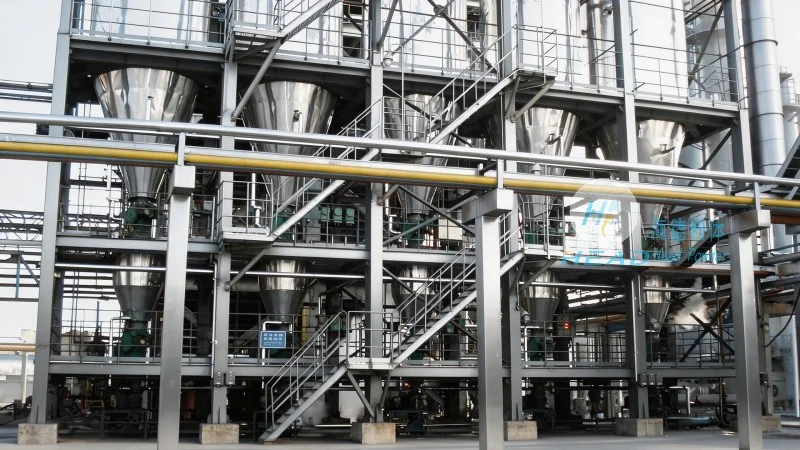
Applications of Pneumatic Conveying in the Sand and Gravel Industry
In the sand and gravel industry, pneumatic conveying systems are widely used in various stages of material processing and transportation. For example, in a quarry, raw sand and gravel are extracted from the ground and transported to processing facilities using negative pressure systems to minimize dust emissions during the extraction process. The processed materials, such as fine aggregates or cement additives, are then conveyed to storage silos or shipping containers using positive pressure systems for efficient, high-volume transport. In construction sites, pneumatic conveying is used to transport sand and gravel from storage silos to mixing plants, ensuring a consistent and dust-free supply of materials. The flexibility of pneumatic conveying allows for easy integration into existing production lines, reducing the need for additional infrastructure and labor costs. Furthermore, the technology enables remote or automated material handling, improving operational efficiency and safety in the workplace.
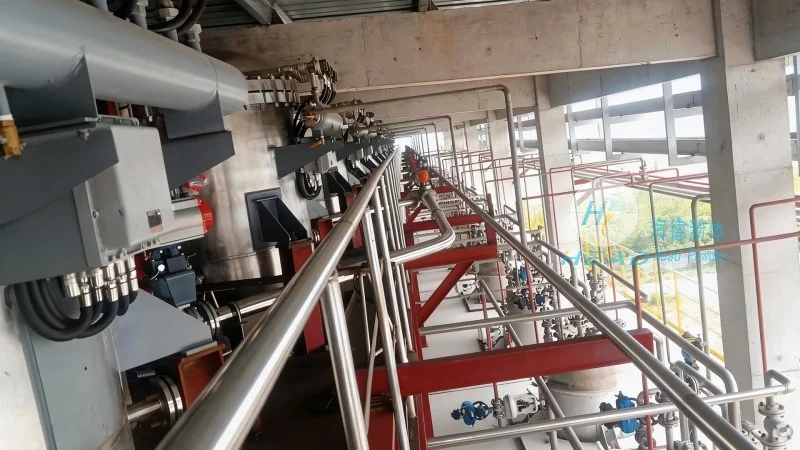
Advantages and Challenges of Pneumatic Conveying in Sand and Gravel Handling
Pneumatic conveying offers several advantages over traditional material handling methods, such as belt conveyors or trucks. The primary benefits include reduced dust emissions, improved safety by eliminating the need for manual handling of bulk materials, and increased flexibility in material routing. These systems also allow for continuous, automated operation, which can lead to higher productivity and lower labor costs. However, pneumatic conveying also presents challenges that must be addressed. One major challenge is the potential for material blockages or clogging in the pipeline, especially with abrasive materials like sand and gravel. Regular maintenance and the use of appropriate pipeline materials are essential to prevent this issue. Another challenge is the energy consumption, as both negative and positive pressure systems require significant power to operate the vacuum pump or blower. However, advancements in technology, such as energy-efficient blowers and optimized system designs, have helped to mitigate these challenges and improve the overall efficiency of pneumatic conveying systems.
Conclusion and Future Trends in Pneumatic Conveying Technology
As the demand for efficient and sustainable material handling solutions continues to grow, pneumatic conveying technology remains a vital tool in the sand and gravel industry. The combination of negative and positive pressure systems provides versatile solutions tailored to specific operational needs, from long-distance transport to high-volume processing. Shandong HeadPowder Engineering Co., Ltd. continues to innovate in this field, developing advanced pneumatic conveying systems that address the challenges of modern material handling while improving efficiency and environmental performance. The future of pneumatic conveying in the sand and gravel industry is likely to see further integration of automation, improved energy efficiency, and enhanced material handling capabilities, ensuring that this technology remains a cornerstone of efficient bulk material transport.