

Design of a Negative Pressure Pneumatic Conveying Device for Sintering Dust Removal
For industrial applications involving sintering processes, efficient and reliable dust removal is crucial to maintain operational safety and environmental compliance. The negative pressure pneumatic conveying device for sintering dust removal is a specialized system engineered to handle the unique challenges associated with transporting fine particulate materials like sintering dust. This article provides an overview of the design principles, key components, and practical applications of such a device, highlighting its role in modern industrial operations.
Key Features and Design Considerations
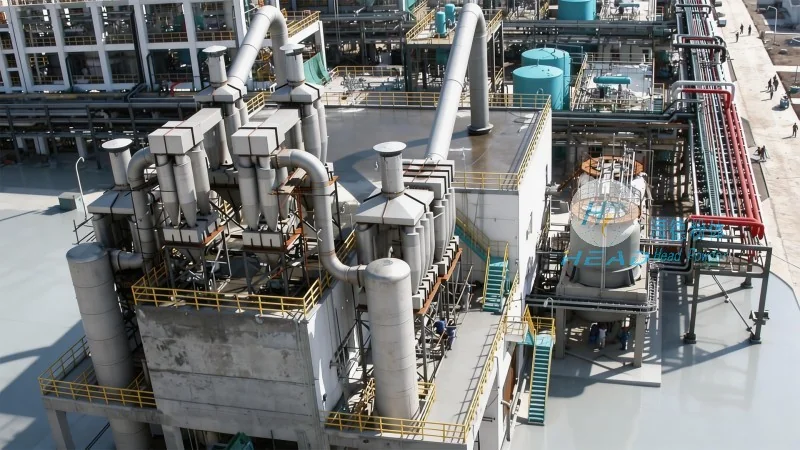
The negative pressure pneumatic conveying system for sintering dust removal is engineered to operate under vacuum conditions, which helps in drawing dust particles from collection points and transporting them to designated storage or processing locations. A critical design consideration is the selection of appropriate materials for the conveying pipeline and components, as sintering dust can be abrasive and corrosive. The system typically incorporates high-efficiency dust collectors, flexible hose connections, and variable speed blowers to ensure optimal particle capture and transport efficiency. The design also emphasizes energy efficiency and minimal maintenance requirements, making it suitable for continuous industrial use.
Components and Operational Mechanism
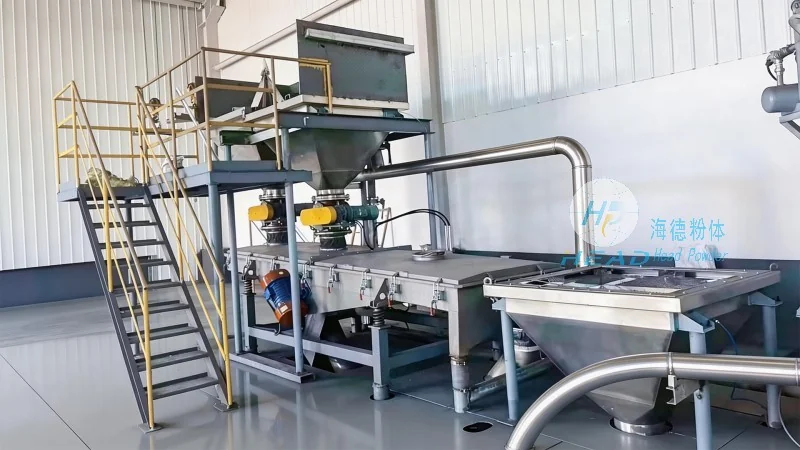
The core components of the negative pressure pneumatic conveying device include a dust collection hopper, a vacuum pump or fan system, conveying hoses or pipes, and a discharge valve or silo. The operational mechanism begins with the dust being drawn into the collection hopper under negative pressure. The vacuum pump then pulls air and dust particles through the conveying line, where the dust is separated from the air stream at the receiving end. The system is designed to maintain consistent negative pressure throughout the pipeline, ensuring that dust particles are continuously and reliably transported without clogging or loss. The use of flexible hoses allows for easy installation and adaptation to different plant layouts, while the variable speed control enables adjustment of conveying rates based on the volume and characteristics of the sintering dust.
Applications and Benefits
This negative pressure pneumatic conveying device is widely used in sintering plants to collect and transport dust generated during the sintering process. The primary benefits include improved air quality by reducing dust emissions, enhanced safety by minimizing exposure to fine particulates, and increased operational efficiency by ensuring continuous material flow. The system's ability to handle high volumes of dust with minimal downtime makes it an essential component in maintaining the productivity and environmental standards of sintering operations. Additionally, the design allows for integration with existing plant infrastructure, reducing the need for major structural modifications.
About HeadPowder: Shandong HeadPowder Engineering Co., Ltd.
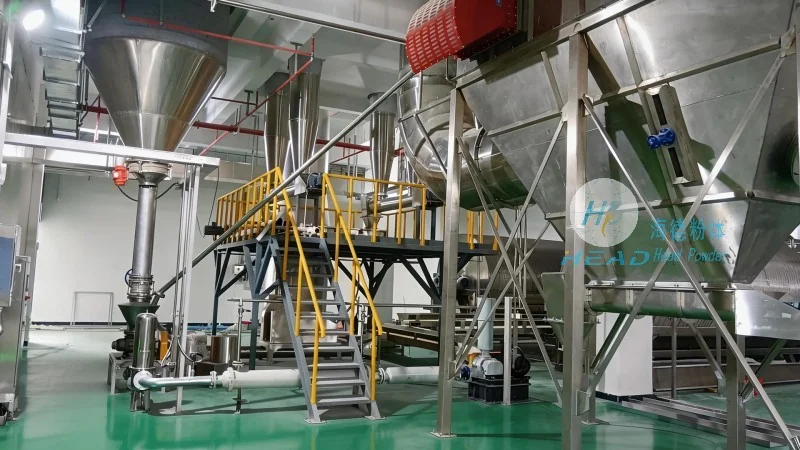
HeadPowder, or Shandong HeadPowder Engineering Co., Ltd., is a leading manufacturer and supplier of industrial dust removal and material handling solutions. With headquarters located in Shandong, China, the company specializes in developing customized systems tailored to the specific needs of various industrial sectors, including steel, mining, and environmental protection. HeadPowder's expertise lies in the design and implementation of advanced pneumatic conveying technologies, ensuring that clients receive reliable, efficient, and cost-effective solutions for their dust management challenges. The company's commitment to quality and innovation has established it as a trusted partner in the industry, providing comprehensive support from initial design to long-term maintenance and service.