

What is Lithium Iron Phosphate Pneumatic Conveying? And What Are Its Design Principles?
HeadPowder, a leading engineering company based in Shandong, China, specializes in advanced material handling solutions. The company focuses on innovative technologies that enhance efficiency and safety in industrial material transport. Among its offerings is the lithium iron phosphate (LiFePO₄) pneumatic conveying system, a sophisticated method for transporting fine powders like LiFePO₄, which is widely used in battery manufacturing and other high-tech industries.
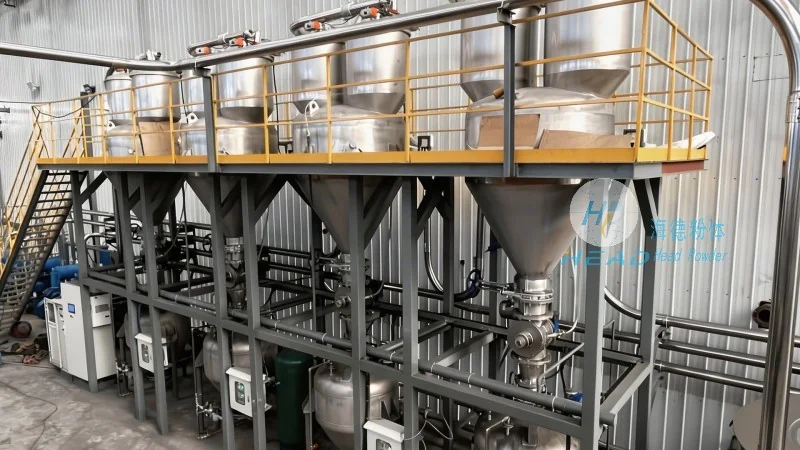
Understanding Lithium Iron Phosphate Pneumatic Conveying
Lithium iron phosphate pneumatic conveying refers to the process of transporting lithium iron phosphate powder through a pipeline using air or other gas as the conveying medium. This method is particularly suitable for handling fine, abrasive, or potentially explosive powders, making it ideal for applications in battery production, where precision and safety are paramount. The system typically involves a hopper, a feeder, a conveying line, and a receiver, all working in tandem to move the material from one location to another without the need for mechanical components that might cause wear or contamination.
Design Principles of Lithium Iron Phosphate Pneumatic Conveying Systems
The design of a lithium iron phosphate pneumatic conveying system is based on several key principles to ensure optimal performance and reliability. First, the system must maintain a consistent air flow rate to achieve uniform material transport. This is achieved through the use of positive or negative pressure systems, where positive pressure conveys material from a central source to multiple destinations, while negative pressure draws material from multiple sources to a central receiver. The choice between these systems depends on the specific application requirements, such as the distance, number of transfer points, and the nature of the material being handled.
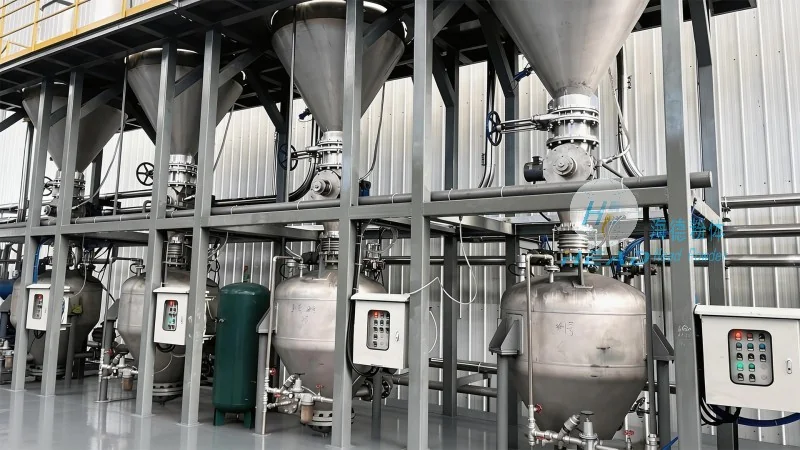
Second, the system incorporates appropriate equipment to handle the unique properties of lithium iron phosphate powder. For instance, the feeder is designed to minimize material degradation and ensure a steady flow rate, often using rotary or vibratory mechanisms that are gentle on the powder. The conveying line is typically made of corrosion-resistant materials like stainless steel or special alloys to prevent chemical reactions with the LiFePO₄ particles. Additionally, the system includes filters and cyclones to separate the conveying air from the powder, ensuring that the material is delivered to the receiver in a clean and dry state.
Key Components and Their Functions
Several critical components make up a lithium iron phosphate pneumatic conveying system. The hopper serves as the storage vessel, holding the bulk of the LiFePO₄ powder. It is equipped with a discharge valve to control the flow of material into the feeder. The feeder is responsible for metering the powder at a consistent rate, preventing overfeeding or underfeeding, which could lead to system inefficiencies or blockages. The conveying line, which may include elbows, bends, and straight sections, transports the powder-air mixture to the receiver. The receiver is a container that collects the material, often with a discharge valve to transfer it to the next process step. Finally, the air compressor or vacuum pump provides the necessary pressure or suction to move the material through the system.
Advantages of Lithium Iron Phosphate Pneumatic Conveying
Implementing a lithium iron phosphate pneumatic conveying system offers several advantages over traditional mechanical conveying methods. One of the primary benefits is the reduction in material degradation, as the system minimizes friction and impact during transport. This is crucial for LiFePO₄ powder, which is sensitive to moisture and mechanical stress. Additionally, the system is highly flexible, allowing for multiple transfer points and the ability to change the direction of material flow without significant modifications. The enclosed design also enhances safety by preventing dust emissions and protecting operators from exposure to the powder. Furthermore, the system can be integrated with other process equipment, such as mixers or classifiers, to create a seamless material handling workflow.
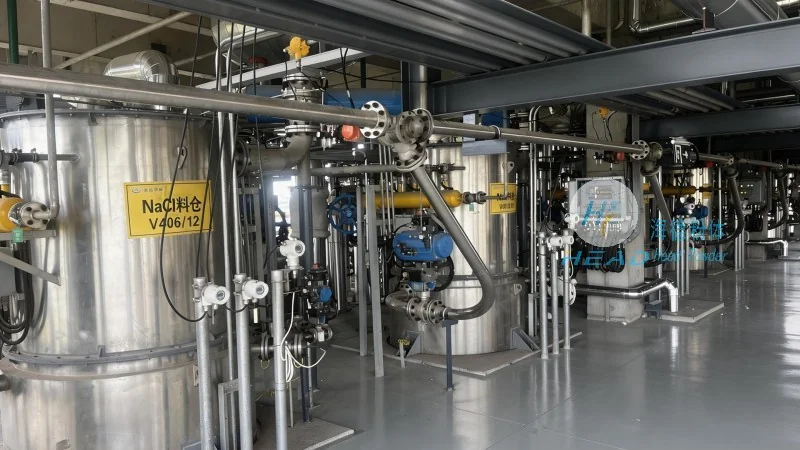
Applications in Battery Manufacturing
In the battery manufacturing industry, lithium iron phosphate pneumatic conveying is widely used for transporting raw materials and finished products. For example, in the production of LiFePO₄ batteries, the system can convey the powder from storage to the mixing and extrusion stages, ensuring a consistent and high-quality material feed. The system's ability to handle fine powders with precision is essential for maintaining the uniformity of the battery electrodes, which directly impacts the performance and lifespan of the final product. Additionally, the system's safety features are critical in environments where dust explosions are a concern, as the enclosed design prevents the accumulation of explosive dust clouds.
Conclusion
HeadPowder's expertise in designing and implementing lithium iron phosphate pneumatic conveying systems reflects the company's commitment to providing reliable and efficient material handling solutions. By adhering to the principles of consistent air flow, appropriate equipment selection, and safety considerations, the company ensures that its systems meet the stringent requirements of the battery and other high-tech industries. The lithium iron phosphate pneumatic conveying system not only enhances operational efficiency but also contributes to a safer and more sustainable manufacturing process.