

What is Foam Plastic Pneumatic Conveying? And What Are Its Design Principles?
Foam plastic pneumatic conveying is a specialized method used in material handling and processing industries to transport lightweight, low-density materials such as foam plastics efficiently. This technology leverages the principles of pneumatic transport, where materials are moved through a system using air or other gases under pressure. The process involves creating a flow of air that carries the foam plastic particles through a pipeline, enabling seamless and often dust-free material transfer.
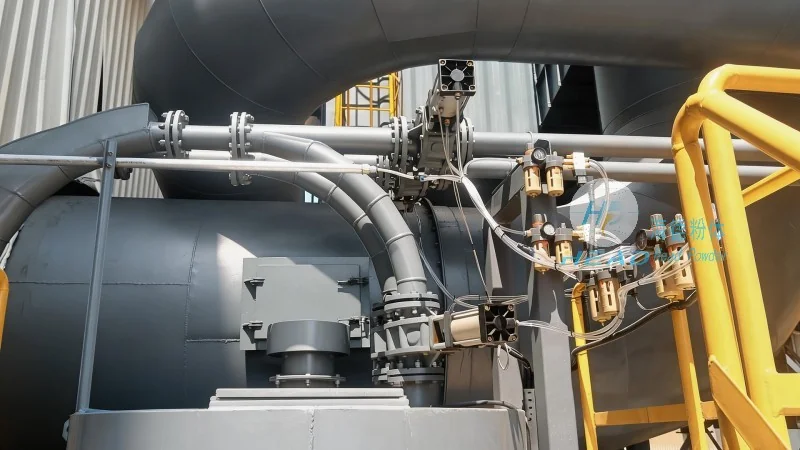
Understanding Foam Plastic Pneumatic Conveying
Foam plastic pneumatic conveying systems are designed to handle materials that are typically difficult to transport using traditional methods like belt conveyors or screw conveyors. These materials often have low bulk density and can be prone to dust generation, making them challenging for conventional systems. The core of this technology is the use of air as the conveying medium, which allows for gentle and controlled movement of the foam particles, minimizing damage and degradation.
The Design Principles of Foam Plastic Pneumatic Conveying
The design of foam plastic pneumatic conveying systems is based on several key principles that ensure efficient and reliable operation. First, the system must maintain a consistent air flow rate to ensure the material is adequately suspended and transported. This requires precise control of the air pressure and velocity within the pipeline. Second, the system incorporates components such as feeders, cyclones, and filters to manage the material's flow and separation. The feeders are crucial for introducing the foam plastic into the system at a controlled rate, preventing overloading or underloading of the conveying line. Cyclones are used to separate the conveyed material from the air stream, while filters ensure that any fine particles are captured and returned to the system or disposed of properly.
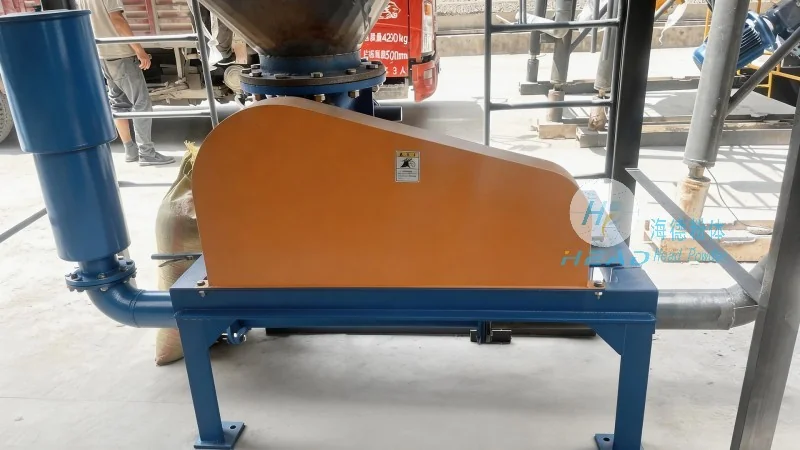
Key Components and Their Functions
Several critical components make up a foam plastic pneumatic conveying system. The air compressor or blower provides the necessary pressure to generate the air flow. The pipeline network, typically made of durable materials like stainless steel or plastic, carries the material and air through the system. The feed hopper or feeder is responsible for introducing the foam plastic into the pipeline, often using a rotary valve or screw feeder to ensure a steady flow. The conveying line itself is designed to handle the specific characteristics of foam plastic, such as its low density and potential for static electricity. The system may also include static eliminators to prevent static buildup, which can affect material flow and cause dust issues.
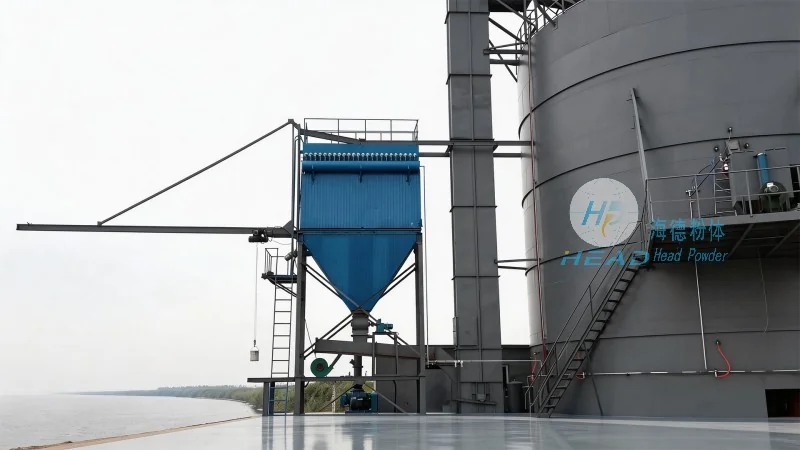
Advantages of Foam Plastic Pneumatic Conveying
Foam plastic pneumatic conveying offers several advantages over traditional material handling methods. One of the primary benefits is the ability to transport materials in a dust-free environment, which is crucial for maintaining cleanliness and safety in manufacturing facilities. This method also allows for the transportation of materials over long distances without the need for multiple transfer points, reducing the risk of material loss or contamination. Additionally, the system can handle a wide range of foam plastic types, from low-density to high-density materials, making it versatile for various applications. The gentle handling of the material minimizes damage, ensuring that the foam plastic retains its shape and properties, which is essential for downstream processing.
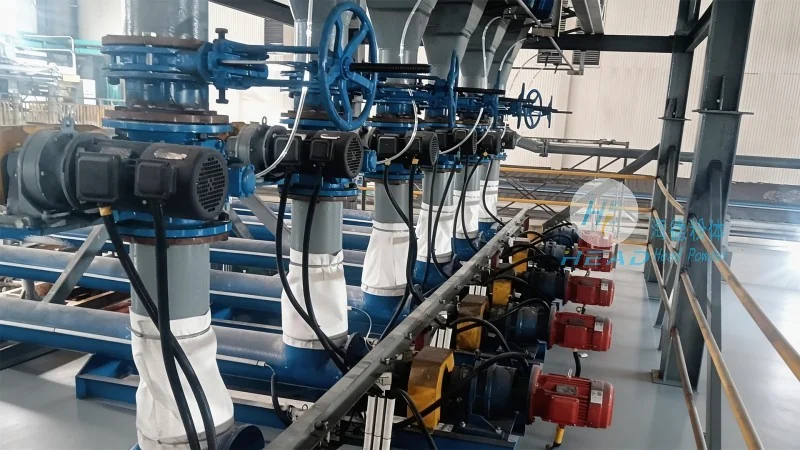
Applications in the Industry
Foam plastic pneumatic conveying is widely used in various industries that handle foam materials. In the packaging industry, it is used to transport foam packaging materials to assembly lines or storage areas. In the automotive industry, it is employed to convey foam components for seating or insulation. The construction industry also utilizes this technology to transport foam insulation materials to building sites. Other applications include the electronics industry, where foam plastics are used for cushioning and are transported efficiently to manufacturing lines.
Conclusion
Foam plastic pneumatic conveying is a sophisticated and effective method for handling lightweight, low-density materials. Its design principles, which focus on controlled air flow, material separation, and gentle handling, ensure efficient and reliable operation. The system's ability to maintain a dust-free environment and transport materials over long distances makes it a preferred choice in many industries. As a leader in this field, Shandong HeadPowder Engineering Co., Ltd. specializes in providing advanced pneumatic conveying solutions tailored to the specific needs of foam plastic processing. With a commitment to quality and innovation, the company ensures that its systems meet the highest standards of performance and reliability.