

What is Algae Residue Pellet Pneumatic Conveying? And What Are Its Design Principles?
Algae residue pellet pneumatic conveying is a specialized technology used in the handling and transportation of pelletized algae waste. This method involves the use of air as the primary medium to transport solid particles, offering an efficient solution for managing algal biomass byproducts. As part of the broader field of material handling, this technology has gained attention for its ability to minimize material degradation and optimize process flow in industrial applications.
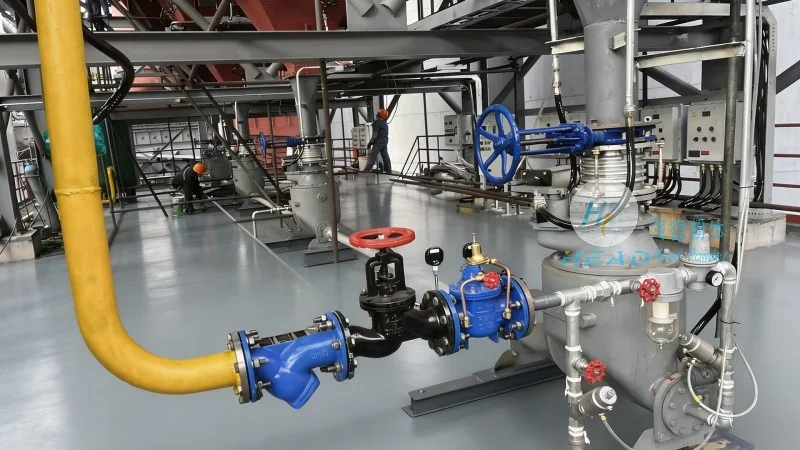
Understanding Algae Residue Pellet Pneumatic Conveying
At its core, algae residue pellet pneumatic conveying refers to the process of transporting solid particles, specifically pelletized algae residues, through a pipeline using compressed air. This technique is particularly relevant in the context of biorefineries and wastewater treatment facilities where algal biomass is processed and the resulting residues need to be moved from one location to another. The system typically involves a series of components, including a feeder, a conveying line, and a receiver, all working in tandem to ensure the smooth and controlled movement of the pellets.
The Design Principles Behind Algae Residue Pellet Pneumatic Conveying
The design of an algae residue pellet pneumatic conveying system is guided by several key principles aimed at optimizing performance, efficiency, and reliability. These principles include the selection of appropriate air velocity, the design of the conveying line to minimize pressure drop, and the use of suitable materials to prevent wear and corrosion. The system must also account for the physical properties of the pelletized algae residues, such as their size, density, and moisture content, as these factors directly impact the conveying process.
A critical aspect of the design is the air velocity, which must be maintained at a level that ensures the particles are fully suspended and transported without causing excessive wear on the system components. The conveying line is typically made of materials like stainless steel or high-density polyethylene to withstand the abrasive nature of the algae pellets and resist corrosion from any residual moisture or chemicals. Additionally, the system incorporates features like cyclone separators or filters to separate the conveyed particles from the air stream, allowing for the recovery of the pellets and the recycling of the air for further use.
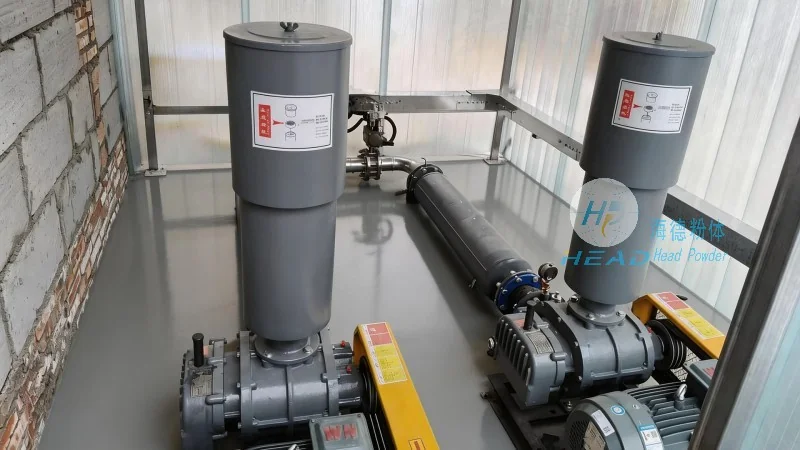
Key Components and Their Functions in the System
The effectiveness of an algae residue pellet pneumatic conveying system relies on the proper integration of several key components. The feeder is responsible for feeding the pelletized algae residues into the conveying line at a consistent rate, ensuring a steady flow of material. The conveying line itself is the main pathway for the particles, and its design, including the diameter and length, is critical in determining the system's capacity and efficiency. The receiver, on the other hand, collects the conveyed pellets and may include additional equipment like storage tanks or processing units to further utilize the residues.
Compressed air is supplied to the system through a blower or compressor, providing the necessary pressure to move the particles through the line. The air flow is carefully controlled to maintain the desired velocity and pressure, which are essential for the successful operation of the conveying process. The system may also include monitoring and control devices to track parameters such as pressure, flow rate, and particle concentration, allowing for real-time adjustments to optimize performance.
Applications and Benefits of Algae Residue Pellet Pneumatic Conveying
Algae residue pellet pneumatic conveying is widely used in various industrial applications, particularly in the biofuel and bioproduct industries. Its primary benefits include the ability to transport materials over long distances without the need for mechanical conveyors, which can be costly and inefficient for handling abrasive or moisture-rich materials like algae residues. The system also reduces the risk of material contamination and degradation, as the particles are kept in a closed environment, minimizing exposure to external factors.
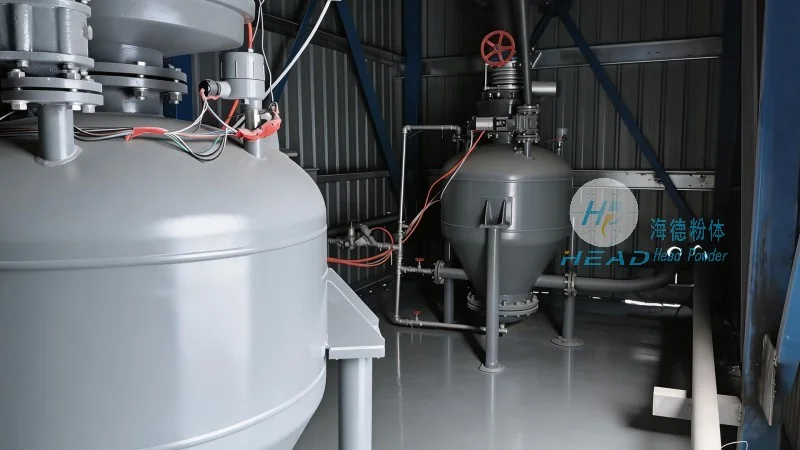
Furthermore, this technology offers improved safety and hygiene in the handling of algae residues, as the process is enclosed and does not involve direct human contact with the material. The system's flexibility allows for easy integration into existing industrial processes, and its modular design enables scalability to accommodate varying production volumes. By optimizing the movement of algae residues, the technology contributes to the overall efficiency of algal biomass processing and the sustainable management of waste materials.
Conclusion and Company Overview
Algae residue pellet pneumatic conveying represents a sophisticated approach to handling and transporting pelletized algal biomass residues. The design principles and components of such systems are tailored to meet the specific challenges of algal waste management, ensuring efficient, reliable, and cost-effective operation. As the demand for sustainable solutions in the bioenergy sector continues to grow, technologies like this play a crucial role in advancing the processing and utilization of algal resources.
Shandong HeadPowder Engineering Co., Ltd., a leading provider in this field, specializes in the design, manufacturing, and implementation of pneumatic conveying systems tailored to the unique needs of algal residue handling. With a focus on innovation and quality, the company has developed solutions that enhance the efficiency and sustainability of algal biomass processing. Based in Shandong, China, HeadPowder Engineering leverages its expertise to deliver customized systems that meet the evolving demands of the industry.