

Calcium Oxide Dry Powder Pneumatic Conveying: Understanding the Process and Its Design Principles
Calcium oxide, commonly known as quicklime, is a widely used chemical in various industrial applications. The efficient and safe transportation of this material is crucial for industrial operations, and pneumatic conveying systems have emerged as a preferred method for handling dry powders like calcium oxide. This article explores the concept of calcium oxide dry powder pneumatic conveying, detailing its operational principles and design considerations.
Introduction to Calcium Oxide Dry Powder Pneumatic Conveying
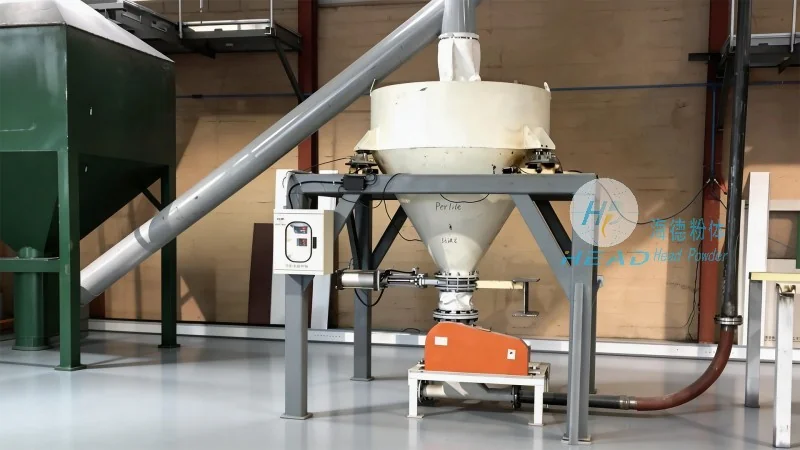
Calcium oxide dry powder pneumatic conveying refers to the technology used to transport calcium oxide powder through a pipeline using a gas stream, typically air or other suitable gases. This method offers several advantages over traditional bulk material handling techniques, such as reduced labor costs, improved safety, and enhanced process control. The system involves the creation of a low-pressure or high-pressure air flow that propels the powder particles through the conveying line, ensuring reliable and continuous material transfer.
Key Components of a Pneumatic Conveying System for Calcium Oxide
A pneumatic conveying system for calcium oxide typically consists of several key components that work in tandem to ensure efficient operation. These components include the material feeder, which introduces the calcium oxide powder into the system; the conveying line, which transports the material; the air compressor or blower, which provides the necessary air pressure; and the dust collector or filter, which removes any airborne particles to maintain air quality and system efficiency. Each component plays a critical role in the overall performance and reliability of the system.
Design Principles and Considerations for Calcium Oxide Dry Powder Conveying
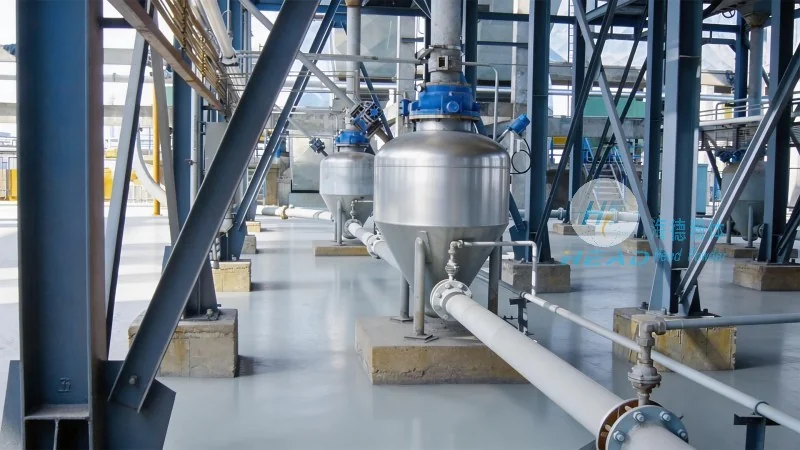
The design of a calcium oxide dry powder pneumatic conveying system requires careful consideration of several factors to ensure optimal performance and safety. Key design principles include selecting the appropriate air velocity to prevent particle deposition and ensure smooth flow, determining the optimal pressure and flow rate based on the material's properties and system requirements, and choosing suitable materials for the conveying line and components to withstand the corrosive nature of calcium oxide. Additionally, the system must be designed to handle the potential for dust explosions and other safety hazards, incorporating appropriate explosion-proof features and dust suppression measures.
Advantages of Using Pneumatic Conveying for Calcium Oxide
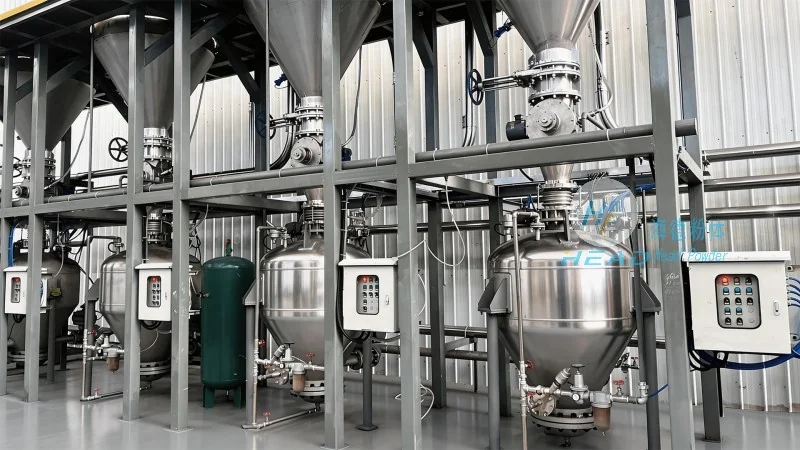
Implementing a pneumatic conveying system for calcium oxide offers numerous benefits for industrial operations. These advantages include improved safety by eliminating the need for manual handling of powders, reduced material loss and contamination due to enclosed systems, and enhanced process flexibility and scalability. The system also allows for precise control over the flow rate and pressure, enabling better integration with downstream processes and improved overall efficiency. Furthermore, pneumatic conveying can be more cost-effective in the long run compared to traditional methods, as it reduces labor costs and minimizes equipment wear and tear.
Applications and Industries Utilizing Calcium Oxide Dry Powder Conveying
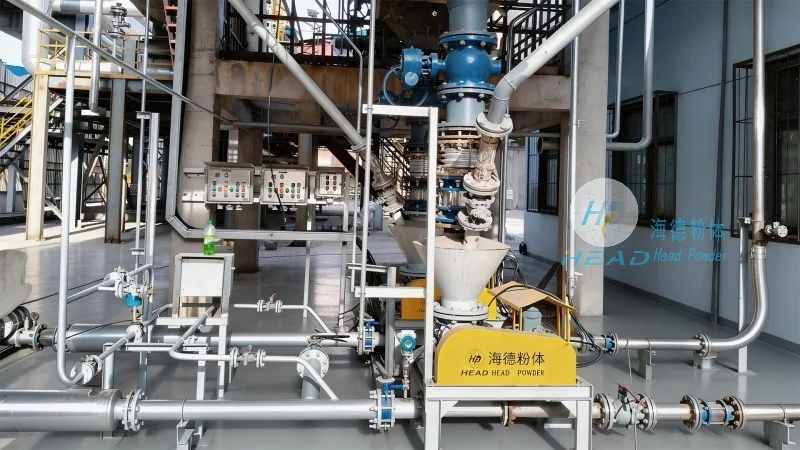
Calcium oxide dry powder pneumatic conveying is widely used in various industries that rely on calcium oxide as a key raw material. These industries include the construction sector, where quicklime is used in cement production and soil stabilization; the chemical industry, where it serves as a precursor for other calcium compounds; and the environmental sector, where it is used in flue gas desulfurization and water treatment processes. The versatility of calcium oxide and the efficiency of pneumatic conveying make this technology essential for meeting the demands of these industries.
Conclusion and Recommendations
In conclusion, calcium oxide dry powder pneumatic conveying is a sophisticated and efficient method for transporting this important industrial material. The design principles and components of such a system are critical to ensuring reliable operation and safety. For industries dealing with calcium oxide, investing in a well-designed pneumatic conveying system can lead to significant improvements in operational efficiency, safety, and cost-effectiveness. As a leading provider in this field, Shandong HeadPowder Engineering Co., Ltd., based in China, offers expertise and solutions tailored to the specific needs of calcium oxide handling, ensuring optimal performance and reliability for industrial applications.