

What is the Pneumatic Conveying of Lithium Battery Nanomaterials? Exploring Design Principles
Lithium battery nanomaterials, such as lithium cobalt oxide (LiCoO₂), lithium iron phosphate (LiFePO₄), and other high-performance powders, are critical components in modern battery technology. The efficient and safe handling of these nanomaterials is essential for the battery manufacturing process. Pneumatic conveying offers a reliable method for transporting these fine powders, ensuring minimal contamination and maintaining product integrity. This article explores the concept of lithium battery nanomaterial pneumatic conveying and delves into the underlying design principles that make such systems effective.
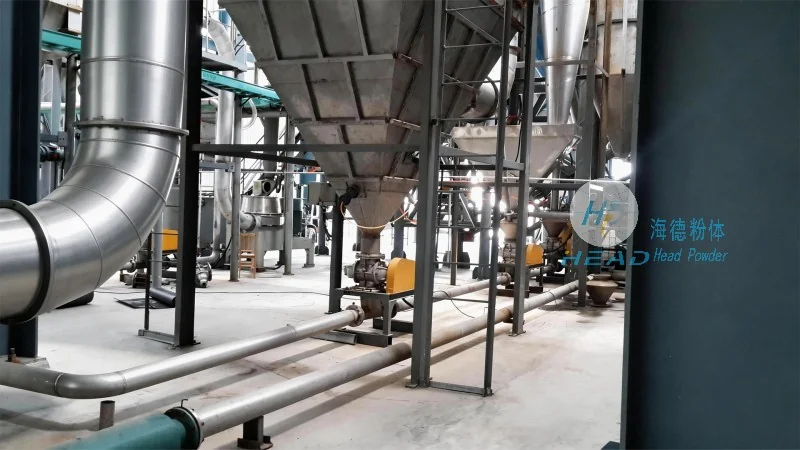
About HeadPowder: A Leading Provider in Powder Handling Solutions
Shandong HeadPowder Engineering Co., Ltd., commonly known as HeadPowder, is a reputable company based in Shandong, China. With a strong focus on engineering excellence and customer-centric solutions, HeadPowder specializes in the design, manufacturing, and integration of advanced powder handling systems. The company's expertise lies in addressing the unique challenges of handling lithium battery nanomaterials, including their high reactivity, fine particle size, and sensitivity to moisture and contamination. By leveraging cutting-edge technology and a deep understanding of material properties, HeadPowder delivers customized pneumatic conveying solutions that meet the stringent requirements of the battery industry.
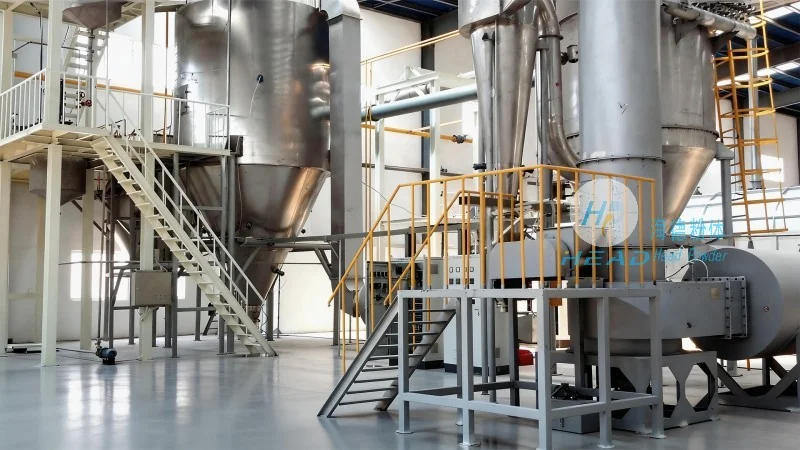
The Core Design Principles of Lithium Battery Nanomaterial Pneumatic Conveying Systems
The design of a pneumatic conveying system for lithium battery nanomaterials involves several key principles aimed at optimizing performance, safety, and efficiency. First, the system must be capable of handling the high dust generation and potential explosion risks associated with these materials. This is achieved through the use of explosion-proof components, such as flame arrestors and spark-proof motors, which are integrated into the design. Second, the system is engineered to maintain a low air velocity to prevent particle degradation and ensure consistent flow. This is critical for preserving the nanomaterial's surface area and chemical properties, which are vital for battery performance. Third, the system incorporates advanced filtration and dust collection mechanisms to ensure environmental compliance and product purity. These mechanisms, including cyclone separators and bag filters, are designed to capture fine particles and prevent their release into the atmosphere. Fourth, the system is built with materials that are resistant to corrosion and chemical reactions, such as stainless steel and specialized coatings, to withstand the aggressive nature of the nanomaterials. Finally, the system is designed for easy maintenance and cleaning, with accessible components and automated cleaning cycles to minimize downtime and ensure long-term reliability.
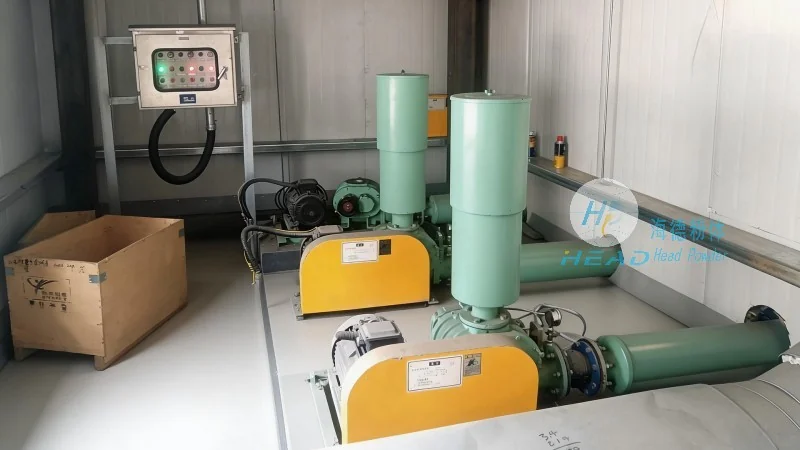
Key Components and Their Roles in the Conveying Process
A typical pneumatic conveying system for lithium battery nanomaterials consists of several key components, each playing a crucial role in the overall operation. The first component is the material feed hopper, which stores the nanomaterials and feeds them into the system. The hopper is equipped with a rotary valve or a star feeder to control the flow rate and prevent blockages. The second component is the air supply system, which includes a blower or a compressor that generates the necessary air pressure to move the material. The air supply is connected to the conveying line through a filter and a regulator to ensure clean and consistent air flow. The third component is the conveying line, which is typically made of flexible or rigid tubing, depending on the system design. The line is designed to handle the specific particle size and flow characteristics of the nanomaterials, with appropriate bends and elbows to maintain flow efficiency. The fourth component is the material separator, which is used to separate the conveyed material from the air stream. This is typically a cyclone separator or a bag filter, which collects the material and returns it to the system or to a storage container. The fifth component is the control system, which monitors and controls the operation of the system. This includes sensors for air pressure, material flow, and temperature, as well as a control panel for adjusting the system settings. The control system ensures that the system operates within safe and efficient parameters, preventing overloading or underloading of the conveying line.
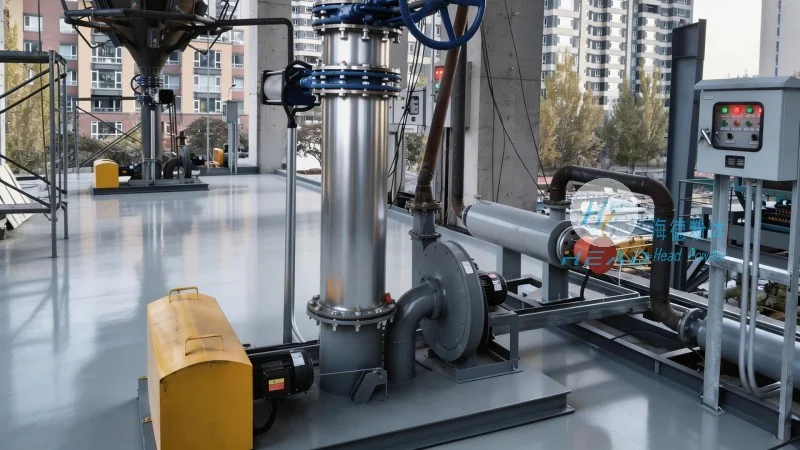
Benefits and Applications of Lithium Battery Nanomaterial Pneumatic Conveying
The use of pneumatic conveying for lithium battery nanomaterials offers several benefits that are critical for the battery manufacturing process. First, it provides a safe and efficient method for transporting fine powders, reducing the risk of dust explosions and contamination. Second, it maintains the quality and integrity of the nanomaterials, ensuring consistent battery performance. Third, it improves the overall efficiency of the manufacturing process by reducing downtime and increasing throughput. Fourth, it offers flexibility in system design, allowing for customization to meet specific production requirements. The applications of such systems are widespread in the battery industry, including the transport of raw materials from storage to processing equipment, the transfer of intermediate products between production stages, and the handling of finished products for packaging and shipping. By leveraging the design principles and components discussed above, manufacturers can achieve reliable and cost-effective powder handling solutions that support the production of high-quality lithium batteries.