

What is a Caustic Soda Pneumatic Conveying System? Understanding Its Design Principles
Caustic soda, also known as sodium hydroxide (NaOH), is a widely used chemical in various industrial processes, including manufacturing, water treatment, and chemical synthesis. The efficient and safe transportation of caustic soda from storage to processing units is crucial for maintaining production efficiency and ensuring operational safety. A caustic soda pneumatic conveying system is a specialized equipment solution designed to handle the material's characteristics, such as its corrosive nature and potential for dust generation, while ensuring reliable and low-maintenance operation. This article explores the fundamentals of such a system, including its components, operational principles, and key design considerations, provided by Shandong HeadPowder Engineering Co., Ltd., a leading manufacturer of industrial conveying solutions based in China.
Introduction to Caustic Soda Pneumatic Conveying Systems
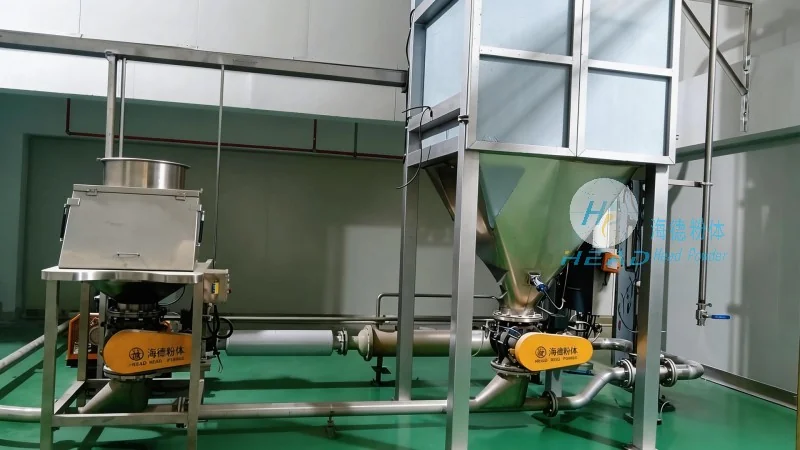
Caustic soda, or sodium hydroxide, is a highly reactive and caustic chemical that requires careful handling during transportation. Traditional methods like belt conveyors or bucket elevators may not be suitable due to the material's corrosive properties and the need for dust control. Pneumatic conveying systems offer a solution by using air or other gases to transport the material in a closed system, minimizing exposure and contamination risks. The system typically consists of a hopper, a conveyor line, and a receiver, all connected by a network of pipes and valves. The primary goal is to move caustic soda from its storage location to the processing equipment with minimal loss, energy efficiency, and safety compliance.
Key Components of a Caustic Soda Pneumatic Conveying System
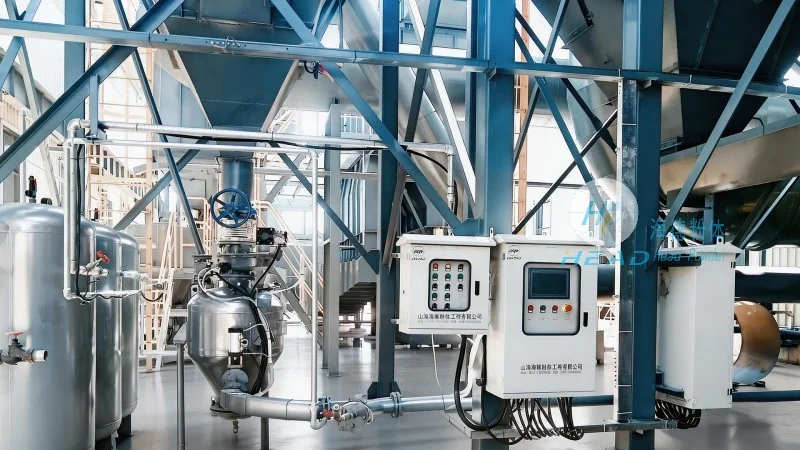
The design of a caustic soda pneumatic conveying system involves several critical components, each playing a vital role in the overall operation. The first component is the material hopper, which stores the caustic soda and provides a controlled feed to the system. The hopper is usually made of corrosion-resistant materials like stainless steel or lined with protective coatings to withstand the chemical's effects. A feeder mechanism, such as a rotary valve or a screw feeder, regulates the flow of caustic soda into the conveyor line, ensuring a consistent and controlled discharge rate. The conveyor line itself is a network of pipes that transport the material using air pressure. The system may include different types of conveyors, such as dilute-phase or dense-phase, depending on the material's properties and the required delivery distance. The receiver, or discharge hopper, collects the caustic soda at the destination, where it can be further processed or stored. Additionally, the system includes air compressors or blowers to generate the necessary pressure for conveying, as well as filters and cyclones to separate the material from the air and prevent dust contamination.
Design Principles for Caustic Soda Pneumatic Conveying Systems
The design of a caustic soda pneumatic conveying system must adhere to several key principles to ensure optimal performance and safety. First, the system must be constructed from materials that are resistant to corrosion and chemical attack. Stainless steel, high-density polyethylene (HDPE), or specialized alloys are commonly used for components that come into direct contact with the caustic soda. The system's layout should minimize the number of bends and changes in direction to reduce pressure losses and prevent material blockages. The air flow rate and pressure must be carefully calculated to achieve the desired conveying velocity and ensure that the material is fully suspended and transported efficiently. The system should also include safety features, such as pressure relief valves, overfill protection, and dust collection systems, to prevent accidents and maintain a safe working environment. Additionally, the design should consider the specific characteristics of caustic soda, such as its moisture content and potential for caking, to ensure that the system can handle these variations without performance degradation.
Operational Considerations and Maintenance
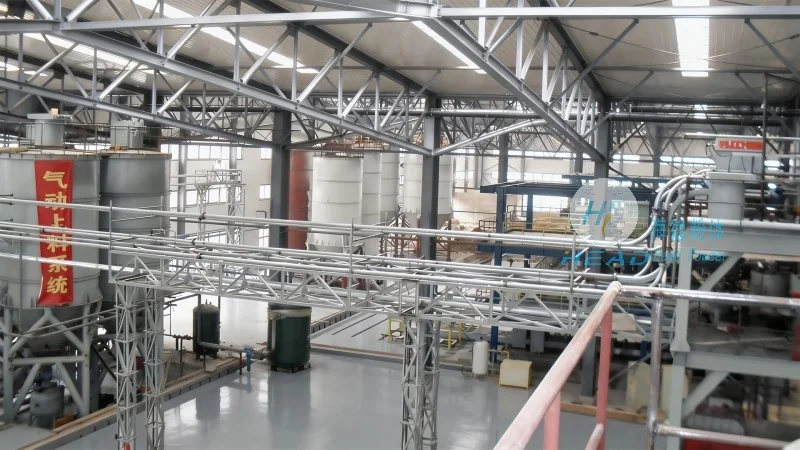
Once a caustic soda pneumatic conveying system is installed and operational, regular maintenance is essential to ensure long-term reliability and efficiency. The system's components, such as the hopper, feeder, and conveyor lines, should be inspected regularly for signs of corrosion or wear. The air compressor and blower should be checked for proper performance and lubrication to prevent breakdowns. The filters and cyclones should be cleaned or replaced as needed to maintain air quality and prevent material buildup. The system's control system, including sensors and valves, should be tested periodically to ensure that it operates correctly and responds to changes in material flow or pressure. Proper maintenance not only extends the system's lifespan but also reduces downtime and operational costs. Additionally, training for operators on the safe operation and maintenance of the system is crucial to prevent accidents and ensure compliance with safety regulations.
Benefits of Using a Caustic Soda Pneumatic Conveying System
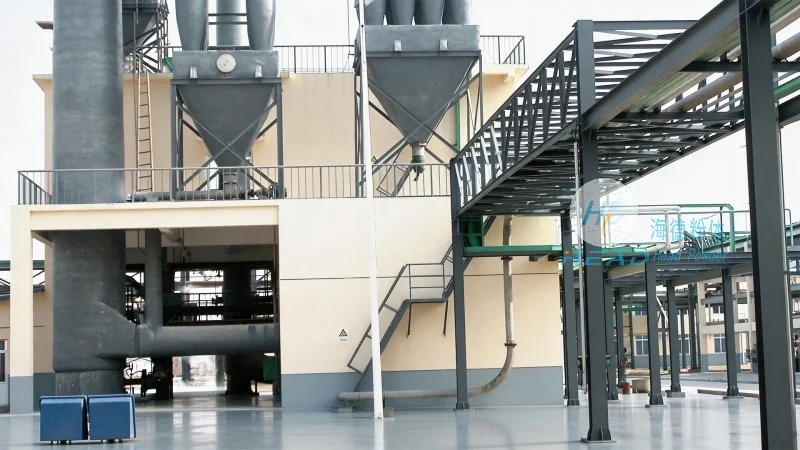
Implementing a caustic soda pneumatic conveying system offers several benefits for industrial operations. First, the system provides a safe and enclosed method of transporting caustic soda, reducing the risk of exposure to workers and minimizing environmental contamination. The closed system also prevents dust and fumes from escaping into the workplace, improving air quality and reducing the risk of respiratory issues. The system's design allows for precise control over the material flow, ensuring consistent delivery to processing units and reducing the risk of over or under-dosing. Additionally, pneumatic conveying systems are generally more energy-efficient than traditional methods, as they use less power to transport the material over long distances. The system's compact design also saves space in the plant, allowing for better utilization of available floor area. Finally, the system's low maintenance requirements and long lifespan contribute to lower operational costs over time.
Conclusion
A caustic soda pneumatic conveying system is a critical component in many industrial processes, providing a safe, efficient, and reliable method for transporting sodium hydroxide. The system's design, which includes corrosion-resistant materials, controlled air flow, and safety features, ensures that it can handle the challenges associated with caustic soda while maintaining operational efficiency. By understanding the key components and design principles of such a system, industrial facilities can make informed decisions about implementing this technology to improve their production processes and ensure compliance with safety regulations. The benefits of using a pneumatic conveying system, including improved safety, energy efficiency, and cost savings, make it a valuable investment for any facility handling caustic soda.