

What is a Fermented Grain (Mash) Pneumatic Conveying System? What are its Design Principles?
For industries dealing with fermented grains, such as those used in brewing or distilling, efficient and reliable material handling is crucial. A pneumatic conveying system designed specifically for fermented grain (mash) transport offers a solution that combines functionality with durability. This article explores the concept of a fermented grain pneumatic conveying system, detailing its design principles and operational benefits.
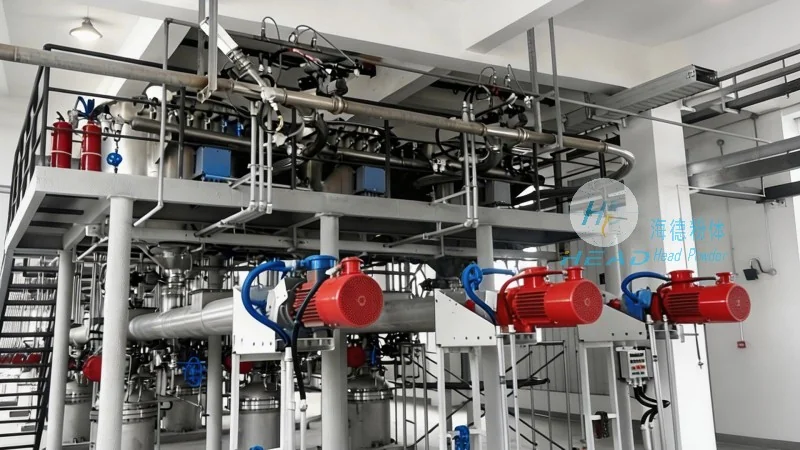
About Shandong HeadPowder Engineering Co., Ltd.
Shandong HeadPowder Engineering Co., Ltd., a leading manufacturer based in China, specializes in engineering solutions for the food and beverage industry. With a focus on quality and innovation, the company provides customized pneumatic conveying systems tailored to the unique needs of clients. HeadPowder’s expertise in material handling technology ensures that their systems are built to withstand the demands of processing fermented grains, offering long-term reliability and performance.
What is a Fermented Grain Pneumatic Conveying System?
A fermented grain pneumatic conveying system is a type of material handling equipment that uses air pressure to transport fermented grains or mash from one location to another. Unlike traditional methods like belt conveyors or bucket elevators, pneumatic systems offer a more hygienic and flexible solution, especially in food processing environments. The system typically consists of a hopper, a blower or compressor, a pipeline, and a discharge device. As the fermented grain enters the hopper, the blower generates a flow of air that lifts and transports the material through the pipeline to the desired destination. This method minimizes product contamination and reduces the risk of cross-contamination, making it ideal for applications where product purity is paramount.
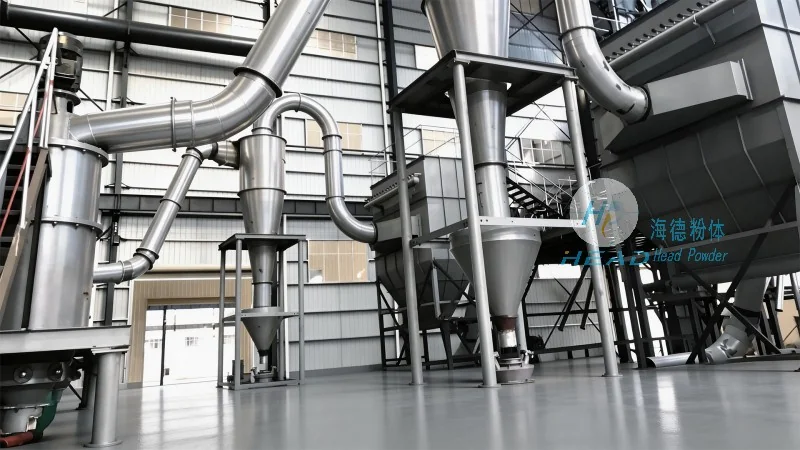
Design Principles of Fermented Grain Pneumatic Conveying Systems
The design of a fermented grain pneumatic conveying system is guided by several key principles to ensure optimal performance and efficiency. First, the system must be designed to handle the specific physical properties of fermented grains, such as moisture content, particle size, and density. The hopper and inlet design are critical, as they need to prevent material bridging and ensure a consistent flow of the mash. Second, the air pressure and flow rate must be carefully calibrated to match the material characteristics. Too low a pressure may result in clogging, while too high a pressure can cause excessive wear on components and increase energy consumption. Third, the pipeline layout is essential for minimizing pressure drops and ensuring smooth material transport. The use of appropriate pipe diameters and bends, along with the installation of pulse jets or other cleaning mechanisms, helps maintain system efficiency over time. Finally, the discharge device must be designed to handle the fermented grain without causing spillage or blockages, ensuring a clean and efficient transfer process.
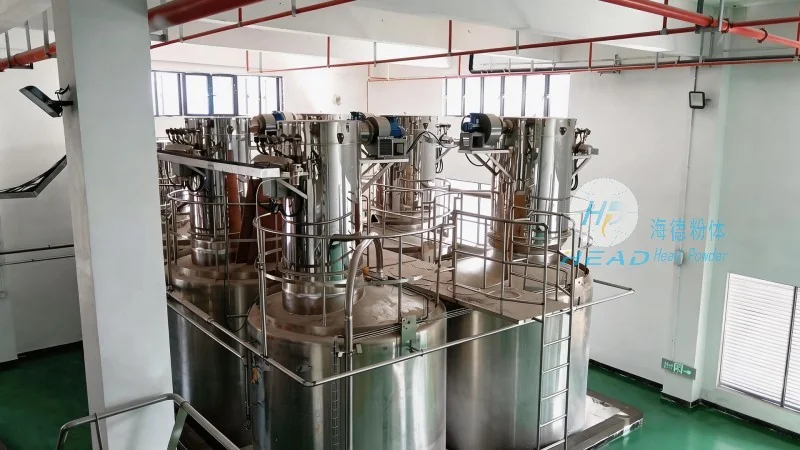
Key Advantages of Fermented Grain Pneumatic Conveying Systems
Implementing a fermented grain pneumatic conveying system offers several advantages for food and beverage manufacturers. One of the primary benefits is enhanced hygiene and sanitation. The enclosed pipeline system prevents dust and contaminants from entering the environment, reducing the risk of product spoilage and ensuring compliance with food safety regulations. Additionally, the system’s flexibility allows for easy integration with existing production lines, enabling seamless material transfer between different processing stages. Another advantage is the reduction in labor costs and operational downtime. Unlike manual or mechanical conveyors, pneumatic systems require minimal maintenance and can operate continuously without the need for frequent adjustments. This leads to increased productivity and lower overall operational costs. Furthermore, the system’s ability to handle a wide range of fermented grain types, from wet to dry, makes it a versatile solution for various production needs. By optimizing material flow and reducing waste, the system contributes to improved efficiency and profitability for the business.
Conclusion
Shandong HeadPowder Engineering Co., Ltd. provides high-quality fermented grain pneumatic conveying systems that are designed to meet the specific requirements of the food and beverage industry. By adhering to the principles of efficient material handling, the company’s systems ensure reliable performance, enhanced hygiene, and long-term durability. For businesses seeking to improve their processing capabilities and streamline their operations, investing in a well-designed pneumatic conveying system is a strategic decision that can yield significant benefits. With a focus on innovation and customer satisfaction, HeadPowder continues to be a trusted partner in providing tailored engineering solutions for the industry.