

What is an Aluminum Dross Pneumatic Conveying System? And What Are Its Design Principles?
Aluminum dross, a byproduct of aluminum smelting and processing, poses significant challenges in handling and disposal. The aluminum dross pneumatic conveying system is a specialized solution designed to efficiently transport this material, ensuring safety, efficiency, and environmental compliance. Understanding the system's functionality and design principles is crucial for industries dealing with aluminum production and waste management.
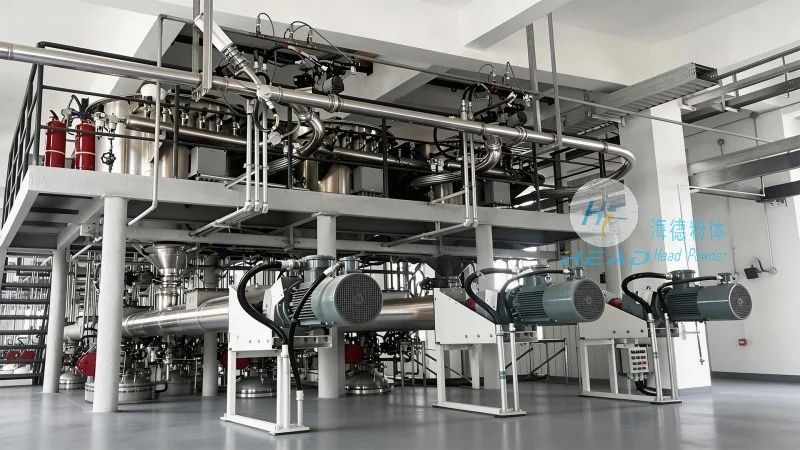
Introduction to Aluminum Dross Pneumatic Conveying Systems
Aluminum dross is a solid waste generated during the melting and casting of aluminum, typically containing aluminum, oxides, and other impurities. Traditional handling methods, such as manual shoveling or bucket elevators, are often inefficient, labor-intensive, and pose health risks due to dust exposure. The aluminum dross pneumatic conveying system addresses these issues by using air as the conveying medium to transport the material from one location to another. This technology offers a dust-free, continuous, and automated solution that enhances operational safety and productivity.
About HeadPowder: A Leading Provider of Pneumatic Conveying Solutions
HeadPowder, operating as Shandong HeadPowder Engineering Co., Ltd., is a reputable company based in China, specializing in the design, manufacturing, and installation of pneumatic conveying systems. With a strong commitment to innovation and customer satisfaction, HeadPowder has established itself as a trusted partner for industries requiring reliable material handling solutions. The company's expertise lies in tailoring systems to meet specific process requirements, ensuring optimal performance and longevity. HeadPowder's facilities are located in Shandong, China, where they leverage advanced technology and skilled engineering to deliver high-quality products.
Design Principles of Aluminum Dross Pneumatic Conveying Systems
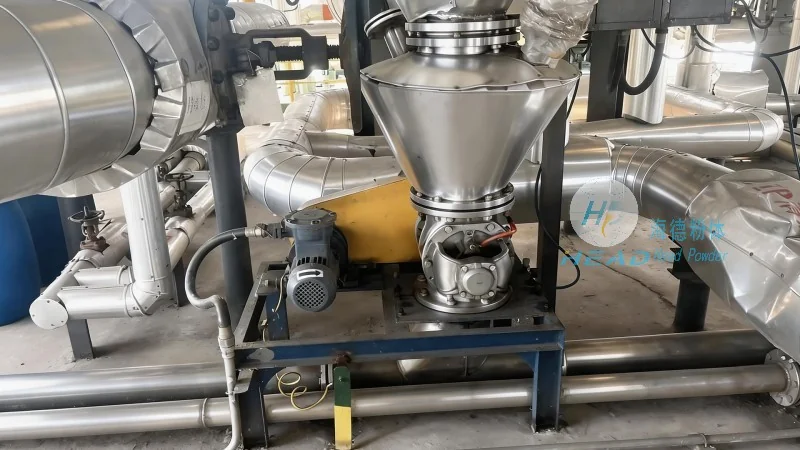
The design of an aluminum dross pneumatic conveying system is based on the fundamental principles of pneumatic transport, which involve the use of compressed air to move solid particles through a pipeline. The system typically consists of several key components, including a hopper for material storage, a feeder to control the flow rate, a compressor to generate the conveying air, and a pipeline network to transport the material. The choice of system type—such as dilute-phase or dense-phase—depends on the characteristics of the aluminum dross, including particle size, moisture content, and density. Dilute-phase systems use low air-to-material ratios, suitable for fine powders, while dense-phase systems employ higher air-to-material ratios, ideal for handling bulk materials with higher particle sizes.
For aluminum dross, which often has a high moisture content and varying particle sizes, a dense-phase pneumatic conveying system is commonly preferred. This design ensures that the material is transported in a compacted state, reducing the risk of blockages and improving system efficiency. The system also incorporates features such as air filtration and dust collection to maintain air quality and comply with environmental regulations. Additionally, the design considers factors like material abrasiveness and corrosion resistance, as aluminum dross can be abrasive and may contain acidic components that require specialized equipment materials.
Key Components and Their Functions in the System
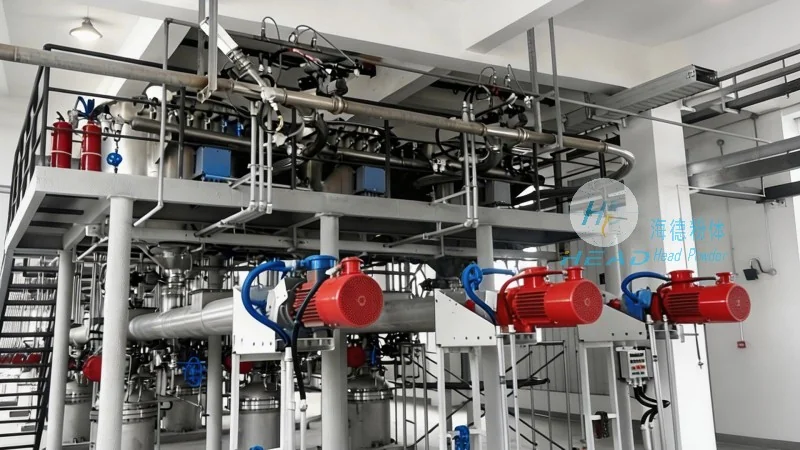
The aluminum dross pneumatic conveying system from HeadPowder includes several critical components that work in tandem to achieve efficient material transport. The hopper serves as the primary storage vessel, holding the aluminum dross and providing a controlled feed to the feeder. The feeder, often a rotary valve or a screw feeder, regulates the flow rate of the material into the pipeline, ensuring consistent and stable operation. The compressor generates the necessary pressure and volume of air to move the material through the system. The pipeline network, typically made of stainless steel or other corrosion-resistant materials, transports the material from the source to the destination, with bends and fittings designed to minimize pressure loss and prevent material deposition.
At the receiving end, the system may include a separator or a cyclone to separate the material from the air stream, allowing the aluminum dross to be deposited in a collection bin or silo. The air, now free of dust, is then filtered and released back into the environment or recirculated if necessary. The design of these components is crucial for maintaining system performance and longevity, as aluminum dross can be abrasive and corrosive, requiring durable materials and proper maintenance.
Advantages of Using an Aluminum Dross Pneumatic Conveying System
Implementing an aluminum dross pneumatic conveying system offers numerous advantages for aluminum processing facilities. Firstly, it provides a dust-free working environment, reducing health risks for workers and improving overall safety. The automated nature of the system minimizes labor requirements and increases operational efficiency, allowing for continuous material transport without manual intervention. Additionally, the system enhances process control by providing consistent flow rates and reducing material loss or spillage. Environmental benefits are also significant, as the system reduces the need for open-air handling, minimizing dust emissions and complying with environmental regulations. Finally, the system's ability to handle bulk materials in a compacted state reduces transportation costs and improves overall process economics.
Application Scenarios and Industry Use Cases
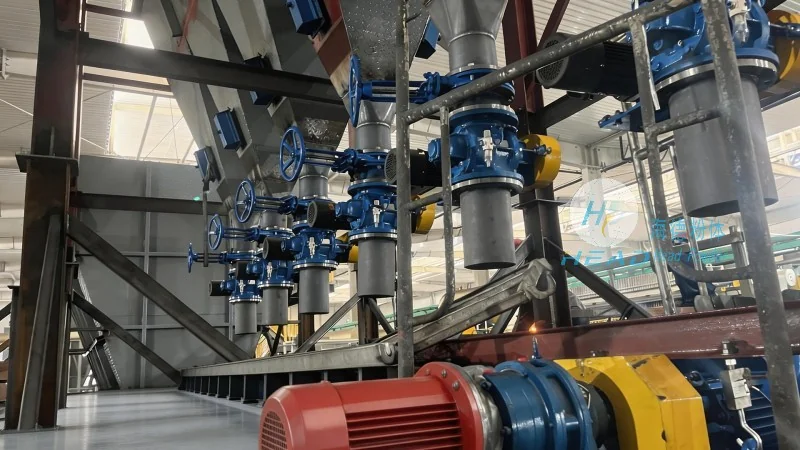
The aluminum dross pneumatic conveying system is widely used in various aluminum production and processing facilities. In primary aluminum smelting plants, the system is employed to transport dross from the melting furnaces to the dross treatment area, where it can be processed into reusable aluminum or other products. In secondary aluminum recycling operations, the system facilitates the transport of dross from collection points to the recycling equipment, ensuring a continuous flow of material for processing. Additionally, the system is used in foundries and casting operations to move dross from the casting lines to storage or treatment facilities. The versatility of the system makes it suitable for different scales of operations, from small-scale foundries to large-scale aluminum smelting plants.
Conclusion and Future Outlook
Aluminum dross pneumatic conveying systems, as designed by HeadPowder, represent a sophisticated and efficient solution for handling aluminum dross. By leveraging pneumatic transport principles and advanced engineering, these systems address the challenges associated with traditional material handling methods, offering enhanced safety, productivity, and environmental compliance. As industries continue to prioritize sustainable practices and operational efficiency, the demand for such systems is expected to grow. HeadPowder's commitment to innovation and customer-centric solutions positions them as a key player in the material handling industry, providing reliable and tailored systems for aluminum dross management.