

What is a Micron Silica Powder Pneumatic Conveying System? And What Are Its Design Principles?
Micron silica powder, a fine particulate material widely used in various industrial applications, often requires efficient and reliable transport methods to ensure consistent quality and process efficiency. The pneumatic conveying system emerges as a critical solution for handling such powders, offering advantages like dust-free operation, reduced material degradation, and enhanced safety compared to traditional methods. This article explores the fundamental aspects of a micron silica powder pneumatic conveying system, delving into its design principles and operational mechanisms to provide a comprehensive understanding for industry professionals, with a focus on the solutions offered by Shandong HeadPowder Engineering Co., Ltd. (headpowder).
Understanding the Core Components of the System
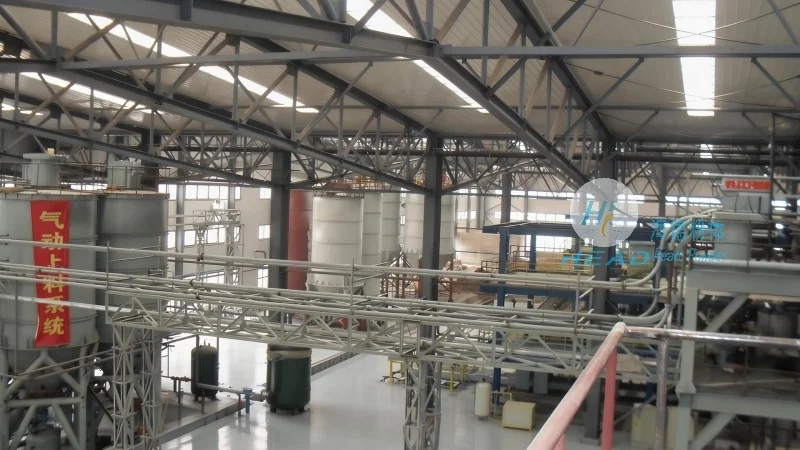
The micron silica powder pneumatic conveying system comprises several key components that work in tandem to achieve effective material transport. At its heart is the material feed hopper, which stores and regulates the flow of silica powder into the system. This hopper is typically equipped with a feeder mechanism, such as a rotary valve or a screw feeder, to control the discharge rate and prevent clogging. The feeder ensures a consistent feed rate, which is crucial for maintaining system stability and preventing surges or fluctuations in material flow.
Next in the system is the air supply unit, which generates the necessary pressure and airflow to move the powder particles. This unit often includes a blower or a compressor, depending on the system's design and the required conveying distance. The air supply is connected to a pipeline that transports the powder, and the pressure within the pipeline is carefully managed to ensure efficient transport without excessive energy consumption. The pipeline itself is constructed from materials resistant to silica powder, such as stainless steel or specialized plastic, to prevent corrosion and material buildup.
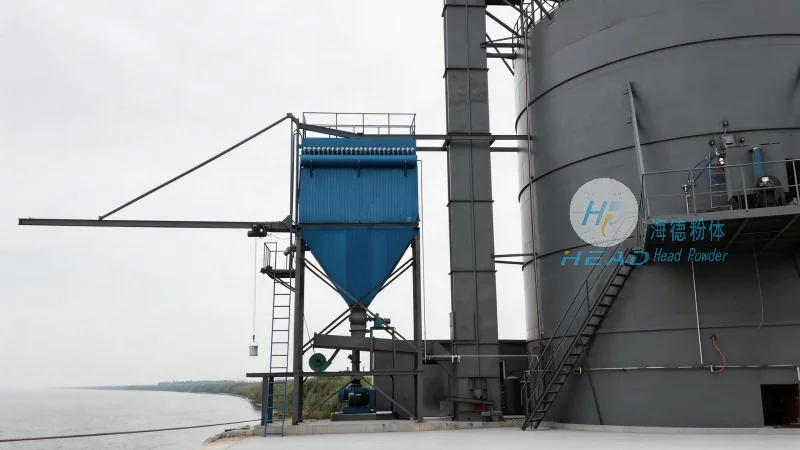
Another critical component is the separation or collection system, which separates the silica powder from the air at the end of the conveying line. This system typically includes a cyclone separator or a bag filter, which uses centrifugal force or filtration to capture the powder particles and return them to the process. The separated air is then discharged, completing the cycle. The design of this separation system is vital for maintaining material recovery rates and ensuring compliance with environmental regulations.
Design Principles for Efficient Micron Silica Powder Transport
The design of a micron silica powder pneumatic conveying system is guided by several key principles aimed at optimizing performance, energy efficiency, and material handling. One of the primary principles is the selection of appropriate air velocity, which must be sufficient to lift and transport the powder particles without causing excessive wear on the system components. The air velocity is typically determined based on the particle size, density, and flow rate of the silica powder, ensuring that the particles remain suspended in the air stream throughout the conveying process.
Another critical design principle is the consideration of pressure drop, which refers to the reduction in air pressure as it travels through the pipeline. The pressure drop is influenced by factors such as pipeline length, diameter, and the presence of fittings or bends. Minimizing pressure drop is essential to reduce energy consumption and maintain system efficiency. Engineers often use computational fluid dynamics (CFD) simulations to model the system and optimize the design for minimal pressure loss.
The system's layout and configuration also play a significant role in its performance. The design must account for the conveying distance, the number of turns or bends in the pipeline, and the elevation changes. A well-designed system minimizes the number of bends and uses smooth transitions to reduce turbulence and prevent particle deposition. Additionally, the system should be equipped with pressure relief valves and safety devices to prevent over-pressurization and ensure safe operation.
Operational Considerations and Maintenance
Once the system is installed and operational, several considerations are essential for maintaining its efficiency and longevity. Regular maintenance is crucial to ensure that all components are functioning correctly. This includes checking the condition of the feeder, inspecting the pipeline for any signs of wear or blockage, and cleaning the separation system to prevent clogging. The material feed hopper should be periodically emptied to prevent material buildup, which can affect the feed rate and system performance.
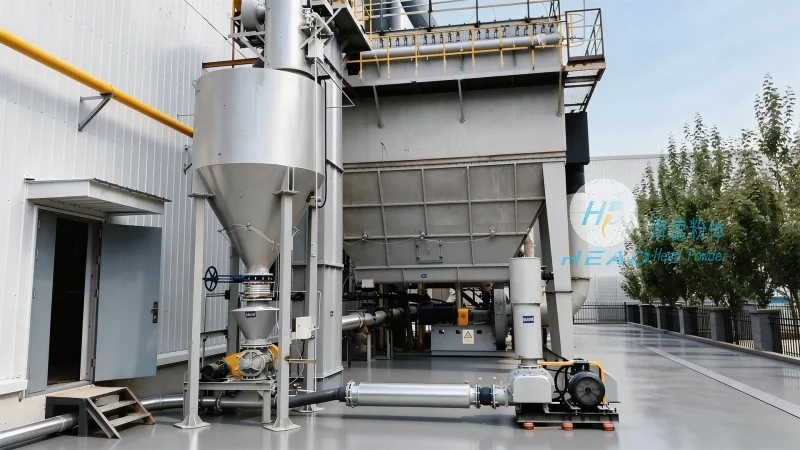
Operational parameters, such as air pressure and flow rate, must be monitored and adjusted as needed to maintain optimal performance. Changes in the silica powder's properties, such as moisture content or particle size distribution, may require adjustments to the system's settings to ensure consistent transport. Additionally, the system should be equipped with sensors and alarms to detect any abnormalities, such as pressure drops or blockages, allowing for timely intervention and preventing system downtime.
Applications and Benefits in Industrial Settings
Micron silica powder pneumatic conveying systems find widespread application in various industries, including construction, pharmaceuticals, and electronics. In the construction industry, silica powder is used as a raw material for concrete and mortar, and the system ensures efficient transport from storage to mixing plants. In the pharmaceutical industry, the system is used to transport silica powder for drug formulation, where maintaining a dust-free environment is critical for product quality and safety. In the electronics industry, the system is used to transport silica powder for the production of silicon wafers, where precision and consistency are paramount.
The benefits of using a pneumatic conveying system for micron silica powder are numerous. Unlike traditional methods, such as bucket elevators or conveyor belts, the system operates without direct contact between the powder and the equipment, reducing the risk of material degradation and contamination. The dust-free operation also improves workplace safety and reduces the need for additional dust control measures. Additionally, the system can be integrated with other process equipment, such as mixers or reactors, to create a seamless material handling process.