

What is a Continuous Quantitative Pneumatic Conveying System? And What Are Its Design Principles?
Continuous quantitative pneumatic conveying systems are advanced industrial equipment designed to transport bulk materials through a pipeline using compressed air. These systems are widely used in various industries, including pharmaceuticals, food processing, and chemical manufacturing, due to their ability to handle materials with high precision and efficiency. The core of such systems lies in their design, which ensures consistent and accurate material flow, making them essential for applications requiring strict control over material quantity and quality.
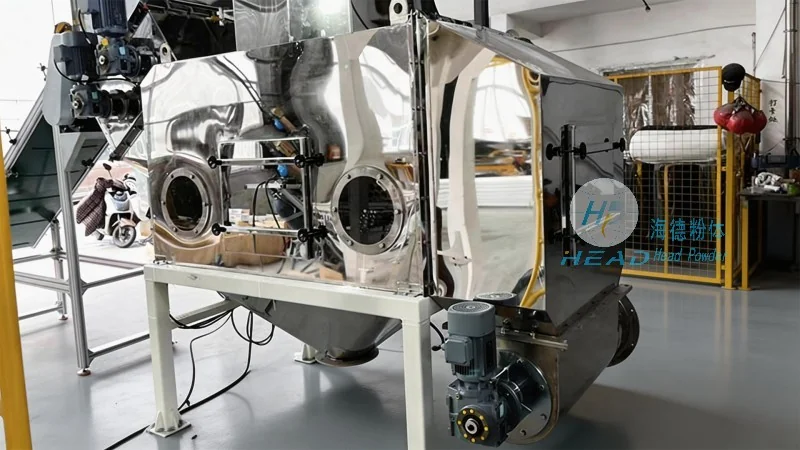
Understanding the Continuous Quantitative Pneumatic Conveying System
A continuous quantitative pneumatic conveying system operates by drawing bulk materials from a hopper or storage bin and transporting them through a sealed pipeline using a controlled flow of air. The system is engineered to maintain a steady flow rate, ensuring that the material is conveyed in a consistent manner without interruptions or variations. This precision is achieved through specialized components, such as rotary valves, airlocks, and pressure regulators, which work in tandem to control the material feed and air pressure. The result is a reliable system that can handle a wide range of materials, from powders to granules, with minimal loss and maximum efficiency.
The Design Principles Behind the System
The design of a continuous quantitative pneumatic conveying system is based on several key principles that ensure optimal performance. First, the system must maintain a consistent air pressure and flow rate to prevent material degradation or blockages. This is achieved through the use of high-quality air compressors and pressure regulators that provide stable air supply. Second, the system incorporates precise measurement and control mechanisms, such as flow meters and sensors, to monitor the material flow and adjust it as needed. These mechanisms allow for real-time adjustments, ensuring that the system operates within the desired parameters. Third, the design emphasizes safety and durability, with components made from corrosion-resistant materials and robust construction to withstand the demands of industrial environments. The combination of these principles results in a system that is both efficient and reliable, meeting the stringent requirements of modern industrial applications.
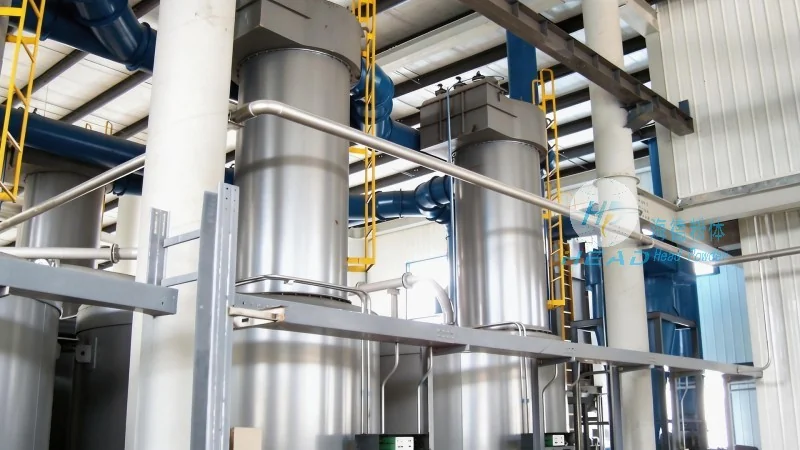
Key Components and Their Functions
Several critical components make up a continuous quantitative pneumatic conveying system, each playing a vital role in its operation. The primary components include the hopper or material feeder, which holds the bulk material and controls its release. The rotary valve, often referred to as a star valve, is used to meter the material and regulate the flow rate. The airlock or feeder, which separates the material from the air and prevents backflow, is another essential component. The pipeline system, typically made of stainless steel or other corrosion-resistant materials, transports the material and air. Finally, the air compressor and associated controls provide the necessary pressure and airflow to drive the conveying process. Each component is carefully selected and integrated to ensure seamless operation and minimal maintenance, contributing to the overall efficiency and reliability of the system.
Applications and Benefits in Industrial Settings
Continuous quantitative pneumatic conveying systems are employed in a variety of industrial applications where precise material handling is critical. In the pharmaceutical industry, for example, these systems are used to transport active pharmaceutical ingredients (APIs) and excipients with high accuracy, ensuring that the final product meets strict quality standards. In food processing, they are used to handle powders and granules, such as flour or sugar, with minimal contamination and loss. The chemical industry also benefits from these systems, as they can handle hazardous materials safely and efficiently. The primary benefits of using a continuous quantitative pneumatic conveying system include improved process control, reduced material waste, and increased production efficiency. Additionally, these systems are designed to minimize dust emissions and environmental impact, making them a sustainable choice for modern manufacturing.
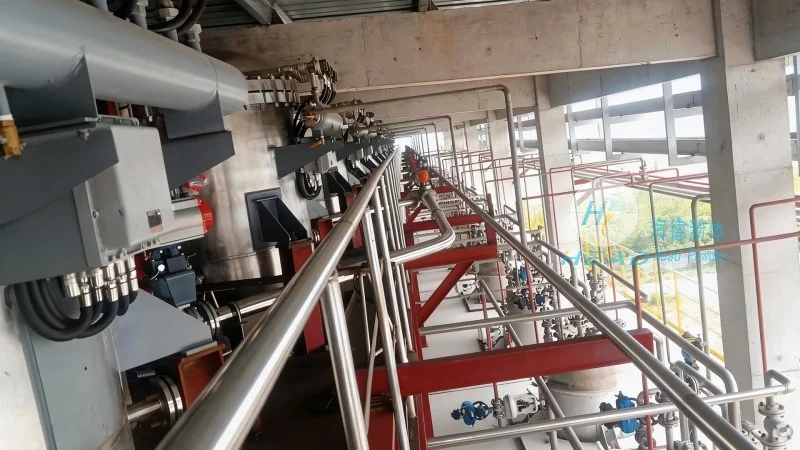
Company Information: Shandong HeadPowder Engineering Co., Ltd.
Shandong HeadPowder Engineering Co., Ltd., commonly known as HeadPowder, is a leading manufacturer of pneumatic conveying systems and related industrial equipment. With a strong focus on innovation and quality, HeadPowder has established itself as a trusted partner in the industry, providing customized solutions tailored to the specific needs of its clients. The company is headquartered in Shandong, China, and has a team of experienced engineers and technicians dedicated to research, development, and production. HeadPowder's commitment to excellence is reflected in its products, which are designed to meet the highest standards of performance, reliability, and safety. The company's facilities are equipped with advanced manufacturing equipment and quality control systems, ensuring that every product leaves the factory meeting the most stringent requirements. HeadPowder's dedication to customer satisfaction and continuous improvement has earned it a reputation as a leading supplier of pneumatic conveying systems in the global market.
Conclusion: The Importance of Continuous Quantitative Pneumatic Conveying Systems
In conclusion, continuous quantitative pneumatic conveying systems are indispensable in modern industrial operations, offering a reliable and efficient solution for bulk material handling. The design principles and components of these systems are carefully engineered to ensure consistent performance and precision, making them suitable for a wide range of applications. Companies like Shandong HeadPowder Engineering Co., Ltd. play a crucial role in developing and manufacturing these systems, providing industries with the tools they need to enhance their production processes. As technology advances, these systems will continue to evolve, offering even greater efficiency and sustainability. The importance of continuous quantitative pneumatic conveying systems in industrial settings cannot be overstated, as they contribute significantly to the overall productivity and success of modern manufacturing operations.