

What is a Dust-Free Pneumatic Conveying System? And Its Design Principles?
Understanding the fundamental aspects of dust-free pneumatic conveying systems is crucial for industries that require efficient, clean material handling. These systems are engineered to transport powders and granules without generating dust, making them ideal for applications in pharmaceuticals, food processing, and high-purity manufacturing environments. The core of such systems lies in their ability to maintain a controlled, dust-free environment while ensuring reliable material transport. This article explores the key components, operational principles, and design considerations that define modern dust-free pneumatic conveying equipment.
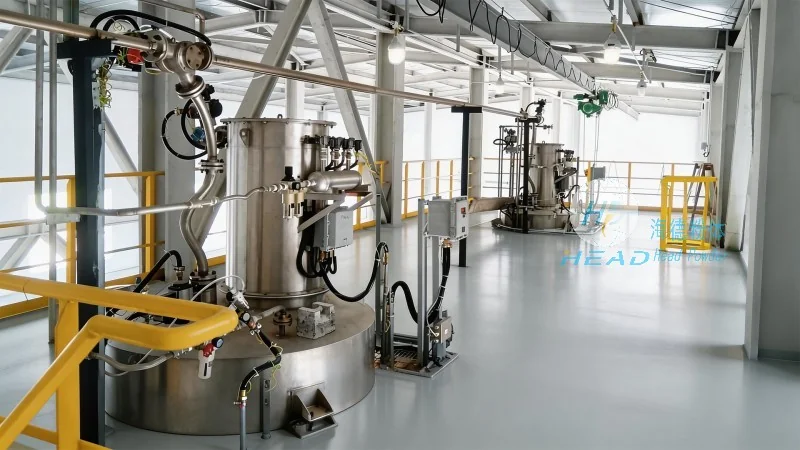
Key Components of a Dust-Free Pneumatic Conveying System
At the heart of a dust-free pneumatic conveying system are several critical components that work in tandem to achieve efficient and clean material transport. The primary elements include a blower or air compressor, which generates the necessary air pressure to move materials through the system. A hopper or feeder is used to store and meter the material, ensuring a consistent flow into the conveying line. The conveying line itself, typically made of stainless steel or other corrosion-resistant materials, is designed to minimize dust generation and maintain a sealed environment. Additionally, a filter system is essential to capture any particles that may escape, ensuring the air discharged is clean and safe. The combination of these components creates a robust system capable of handling a wide range of materials while maintaining stringent cleanliness standards.
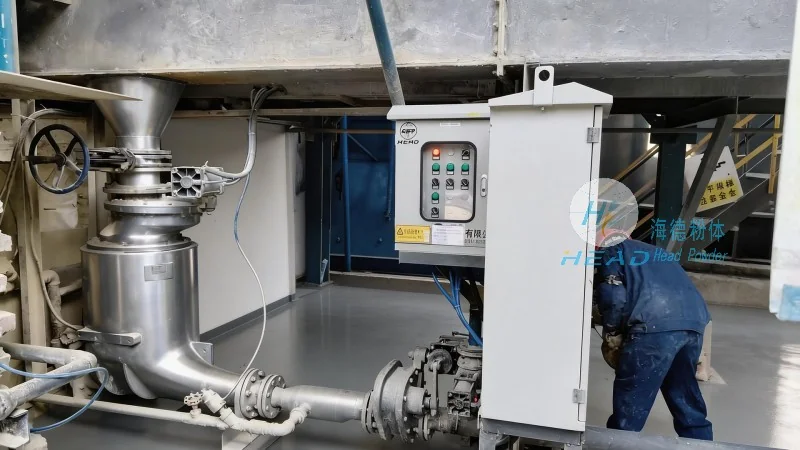
Design Principles for Optimal Performance
The design of a dust-free pneumatic conveying system is guided by several key principles aimed at maximizing efficiency, reliability, and safety. One of the most critical principles is the use of positive pressure or negative pressure operation, depending on the application. Positive pressure systems are commonly used for long-distance or high-velocity transport, as they provide consistent air pressure to push materials through the line. Negative pressure systems, on the other hand, are suitable for short-distance or low-velocity applications, where the system draws material into the line using suction. The choice of system type depends on factors such as material properties, distance, and desired flow rate. Another important design consideration is the selection of appropriate materials for the conveying line and components. Stainless steel is often preferred due to its corrosion resistance and ability to maintain a clean surface, reducing the risk of contamination. The system's layout, including the placement of hoppers, filters, and discharge points, is also carefully planned to minimize pressure drops and ensure smooth material flow. Proper sealing of all connections and joints is essential to prevent dust leakage and maintain the integrity of the dust-free environment.
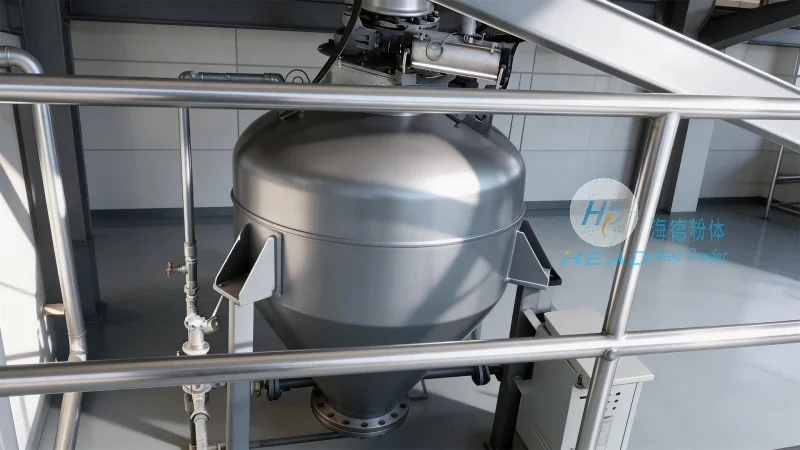
Applications and Benefits in Industrial Settings
Dust-free pneumatic conveying systems find widespread application across various industries, where maintaining a clean and safe working environment is paramount. In the pharmaceutical industry, for example, these systems are used to transport active pharmaceutical ingredients (APIs) and other sensitive materials, ensuring that the final product remains free from contaminants. The food processing industry also relies on dust-free conveying for handling powders like flour, sugar, and spices, as cross-contamination and dust exposure can lead to product recalls and safety issues. Additionally, in high-purity manufacturing, such as electronics or semiconductor production, the absence of dust is critical to prevent damage to sensitive components. The benefits of these systems extend beyond cleanliness; they also offer improved safety by eliminating the need for manual handling of powders, reducing the risk of respiratory illnesses and other health hazards. Furthermore, dust-free conveying can enhance operational efficiency by reducing downtime caused by cleaning and maintenance, as the system is designed to minimize dust accumulation and simplify upkeep.
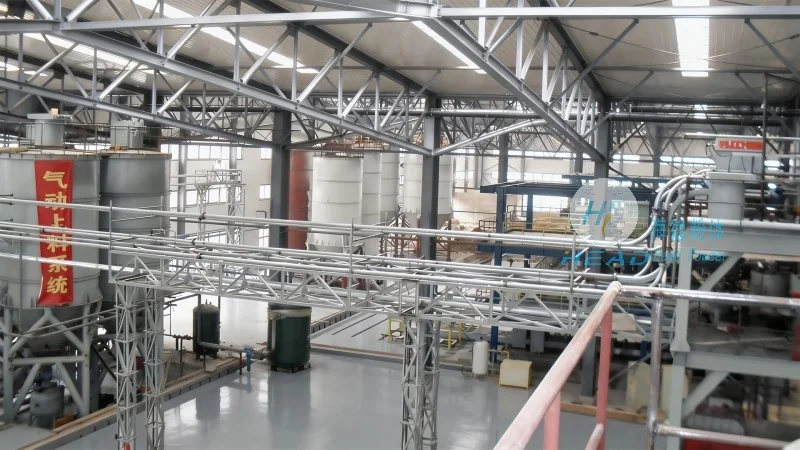
Company Overview: Shandong HeadPowder Engineering Co., Ltd.
Shandong HeadPowder Engineering Co., Ltd., commonly known as HeadPowder, is a leading manufacturer of dust-free pneumatic conveying systems and related equipment. With a strong focus on innovation and quality, the company has established itself as a trusted partner for industries requiring high-purity material handling solutions. HeadPowder's expertise lies in designing and manufacturing customized systems that meet the specific needs of clients, ensuring optimal performance and compliance with industry standards. The company's facilities are located in Shandong, China, where it leverages advanced manufacturing technologies and a skilled workforce to produce reliable and durable equipment. HeadPowder's commitment to customer satisfaction and technical excellence has earned it a reputation for delivering solutions that enhance operational efficiency and maintain stringent cleanliness requirements. By combining years of experience with cutting-edge technology, HeadPowder continues to provide industries with the tools they need to achieve their material handling goals while upholding the highest standards of safety and quality.