

What is a Polyvinyl Butyral Pneumatic Conveying System? And What Are Its Design Principles?
For industrial operations dealing with bulk materials, the selection of an appropriate material handling system is crucial for efficiency and safety. One such system gaining prominence is the Polyvinyl Butyral (PVB) pneumatic conveying system. This technology offers a reliable method for transporting various materials through a pipeline using air pressure. Understanding what a PVB pneumatic conveying system is and its design principles is essential for industries seeking to optimize their material handling processes.
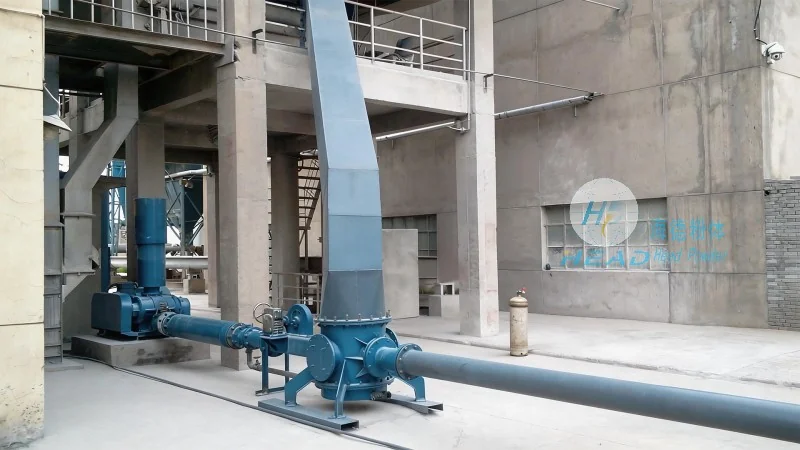
Understanding the Core Components of a PVB Pneumatic Conveying System
A PVB pneumatic conveying system consists of several key components that work in tandem to ensure effective material transport. The primary elements include a material feed hopper, a conveying line (often equipped with a venturi or other air acceleration devices), a receiver or discharge hopper, and a dust collection or filtration system. The material feed hopper is designed to hold the bulk material and control its flow into the conveying line. The conveying line, typically made from durable materials such as PVB-coated steel or specialized polymers, ensures the material is transported efficiently while minimizing wear and tear. The venturi or air acceleration device is critical as it creates the necessary pressure differential to move the material through the pipeline. The receiver or discharge hopper collects the material at the destination, and the dust collection system ensures compliance with air quality regulations by capturing any airborne particles.
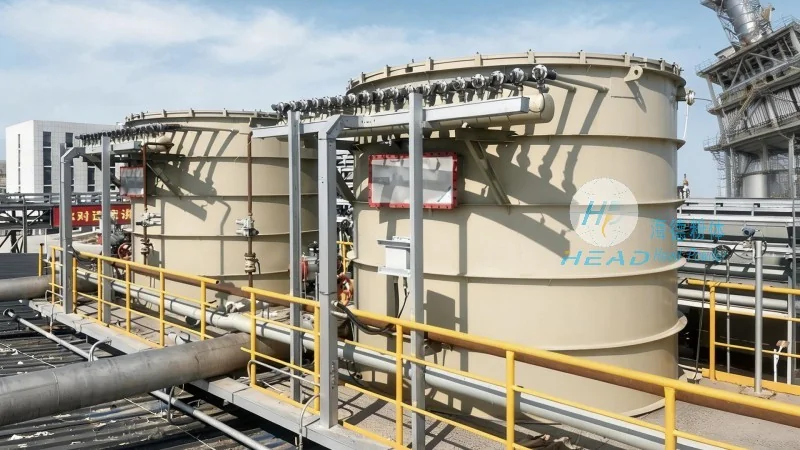
Design Principles for Efficient PVB Pneumatic Conveying
The design principles of a PVB pneumatic conveying system are centered on achieving optimal material flow, minimizing energy consumption, and ensuring system reliability. One of the fundamental principles is the selection of the appropriate air velocity and pressure. The air velocity must be high enough to entrain the material particles but not so high as to cause excessive wear on the conveying line or equipment. The pressure differential is another critical factor, as it determines the system's capacity and the distance over which materials can be conveyed. Engineers must consider the specific properties of the material being transported, such as particle size, density, and moisture content, to tailor the system design accordingly. Additionally, the system's layout, including the number of bends, vertical rises, and horizontal runs, is carefully planned to minimize pressure losses and ensure smooth material movement. The use of PVB in the system components is particularly advantageous due to its excellent resistance to abrasion, chemical corrosion, and temperature variations, making it suitable for a wide range of industrial applications.
Practical Applications and Operational Considerations
PVB pneumatic conveying systems are widely used in various industries, including pharmaceuticals, food processing, and chemical manufacturing. In the pharmaceutical industry, for example, these systems are employed to transport sensitive powders and granules while maintaining strict contamination control. The food processing sector utilizes PVB systems to handle ingredients like flour, sugar, and spices, ensuring hygiene and product integrity. In chemical manufacturing, PVB systems are used to convey abrasive or corrosive materials, leveraging the material's durability to extend equipment lifespan. Operational considerations include regular maintenance of the conveying line and air filtration systems to prevent blockages and ensure consistent performance. Additionally, monitoring air pressure and flow rates is essential to detect any issues early and adjust the system as needed. The integration of PVB materials in the system components also simplifies maintenance, as PVB is resistant to many chemicals and can withstand harsh operating conditions without degradation.
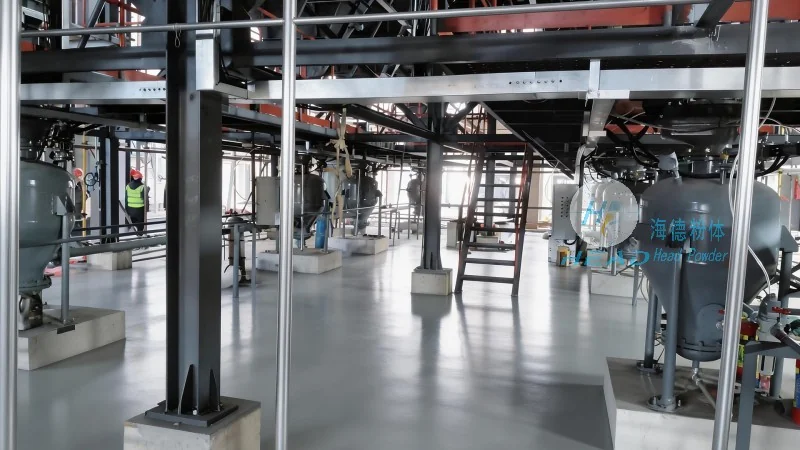
About Shandong HeadPowder Engineering Co., Ltd.
Shandong HeadPowder Engineering Co., Ltd., a leading provider of material handling solutions, specializes in the design, manufacturing, and installation of PVB pneumatic conveying systems. With a strong commitment to quality and innovation, the company has built a reputation for delivering reliable and efficient systems tailored to the unique needs of its clients. HeadPowder's expertise lies in understanding the specific requirements of different industries and developing customized solutions that enhance operational efficiency and reduce downtime. The company's facilities are located in Shandong, China, where it leverages advanced manufacturing technologies and a skilled workforce to produce high-quality PVB components and complete systems. By focusing on customer satisfaction and technical excellence, Shandong HeadPowder Engineering Co., Ltd. continues to be a trusted partner for businesses seeking to optimize their material handling processes with advanced pneumatic conveying technology.