

Coating Pneumatic Conveying Equipment: What It Is and Its Design Principles
Coating pneumatic conveying systems are essential in industrial processes for transporting powders and granules, including those used in the coating industry. These systems utilize air or gas to move materials from one location to another, offering a flexible and efficient solution for material handling. Understanding the components and design principles of such equipment is crucial for optimizing performance and ensuring safe operation. Manufactured by Shandong HeadPowder Engineering Co., Ltd. (headpowder), these systems are designed to meet the specific needs of the coating industry.
Introduction to Coating Pneumatic Conveying Systems
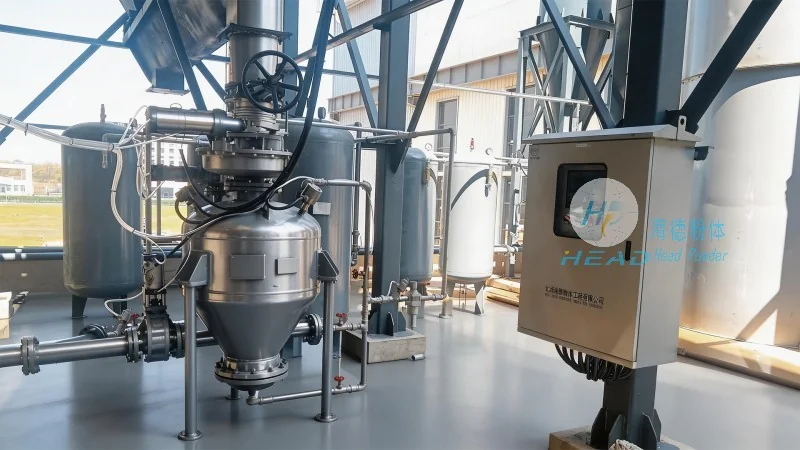
Coating pneumatic conveying equipment is a type of material handling system that relies on the force of air or gas to transport dry powders and granules. Unlike traditional mechanical conveyors, which use belts, screws, or buckets, pneumatic systems use pressure differentials to move materials through pipes. This method is particularly advantageous for handling sensitive materials like coatings, as it minimizes product degradation and contamination. The system typically consists of a hopper, a blower or compressor, a conveying line, and a receiver, with optional components like filters and cyclones for material separation.
Key Components of Coating Pneumatic Conveying Equipment
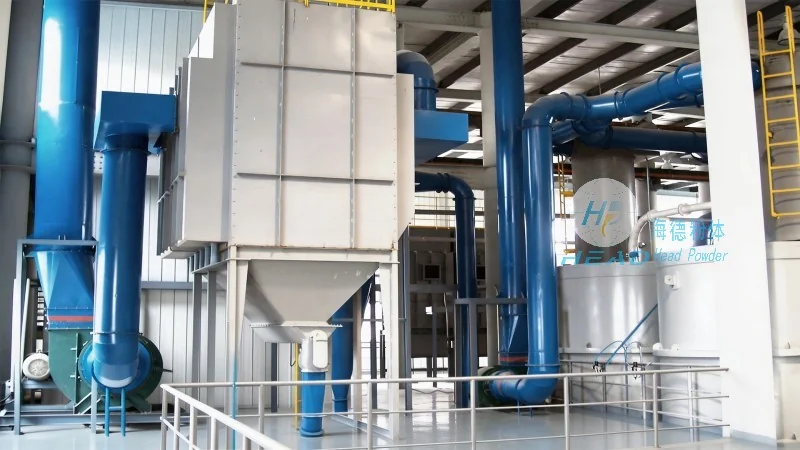
The core components of a coating pneumatic conveying system include the material hopper, which stores the coating powder; the air mover, such as a rotary lobe blower or positive displacement blower, which generates the necessary airflow; the conveying line, which is usually made of metal or plastic pipes to withstand the pressure and material flow; and the receiving hopper or tank, where the material is deposited. Additional components may include a filter system to capture fine particles and prevent dust emissions, a cyclone separator to separate the material from the air stream, and a control panel to regulate the system's operation. Each component plays a vital role in ensuring the efficient and safe transport of coating materials.
Design Principles for Efficient Coating Pneumatic Conveying
The design of a coating pneumatic conveying system is based on several key principles to ensure optimal performance. First, the system must be designed to handle the specific properties of the coating material, such as its particle size, density, and flowability. This involves selecting the appropriate air velocity and pressure to prevent material settling or blockages in the pipes. Second, the system's layout must consider the distance and elevation changes between the source and destination points, as these factors affect the required air pressure and power consumption. Third, the design must incorporate safety features, including pressure relief valves, explosion-proof components, and dust collection systems, to comply with industrial safety regulations and protect personnel and equipment.
Advantages of Using Coating Pneumatic Conveying Equipment
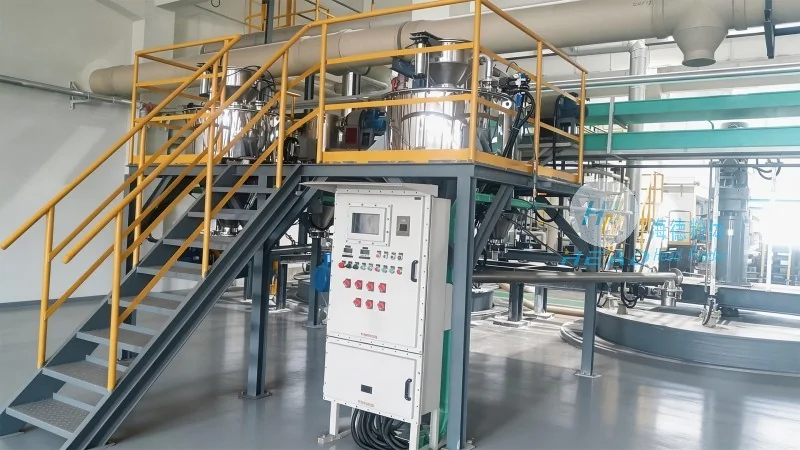
Coating pneumatic conveying systems offer several advantages over traditional material handling methods. One of the primary benefits is the ability to transport materials in a closed system, which reduces dust emissions and prevents contamination from external sources. This is particularly important for coating powders, which may be sensitive to moisture or air exposure. Additionally, pneumatic systems provide flexibility in terms of layout, as they can be installed in various configurations to fit the space constraints of a facility. They also offer high throughput rates, making them suitable for high-volume production environments. Furthermore, the system's design allows for easy integration with other processing equipment, such as mixers or spray booths, enhancing overall operational efficiency.
Applications in the Coating Industry
Coating pneumatic conveying equipment is widely used in various applications within the coating industry. For example, in the production of automotive coatings, these systems are used to transport paint powders from storage silos to spray booths or mixing stations. In the manufacturing of industrial coatings, they help move pigments and binders from raw material storage to production lines. Additionally, in the food and pharmaceutical industries, where coating powders are used for surface treatments, pneumatic conveying ensures a clean and hygienic transfer process. The versatility of these systems makes them suitable for a wide range of coating applications, from small-scale laboratory use to large-scale industrial production.
Maintenance and Operational Considerations
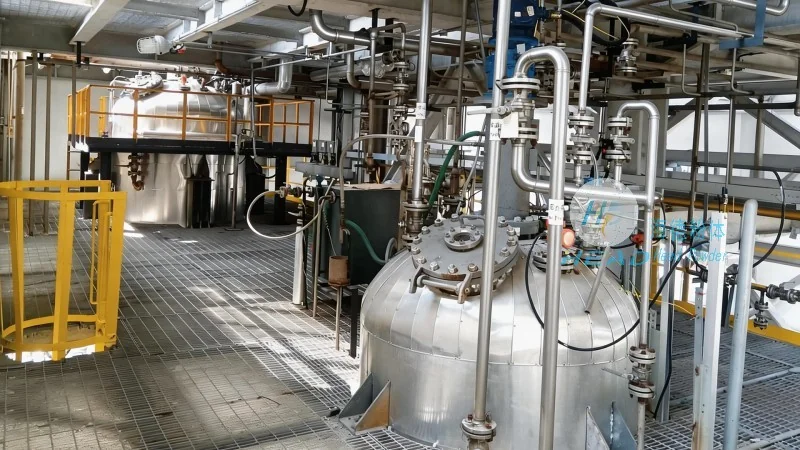
Proper maintenance and operational practices are essential to ensure the longevity and efficiency of coating pneumatic conveying equipment. Regular cleaning of the conveying lines and filters is necessary to prevent clogging and maintain optimal airflow. The air mover and other components should be inspected regularly for wear and tear, and replaced as needed to avoid system failures. Additionally, monitoring the system's pressure and flow rates can help identify potential issues before they become major problems. Proper training of operators on the system's operation and safety protocols is also crucial to prevent accidents and ensure compliance with safety regulations. By following these maintenance and operational guidelines, users can maximize the performance and lifespan of their coating pneumatic conveying equipment.
Conclusion
Coating pneumatic conveying equipment plays a vital role in the efficient and safe handling of coating materials in industrial applications. By understanding the design principles and components of such systems, manufacturers can optimize their material handling processes, reduce costs, and improve product quality. The flexibility and versatility of these systems make them an essential part of modern coating production, and with proper maintenance and operation, they can provide reliable service for many years. As the demand for high-quality coatings continues to grow, the importance of efficient material handling systems like pneumatic conveyors will only increase, making them a critical component in the coating industry's supply chain.