

What is Ceramic Pneumatic Conveying Equipment? What Are Its Design Principles?
Ceramic pneumatic conveying equipment is a specialized system engineered for the efficient and safe transport of bulk materials, particularly those that are abrasive, corrosive, or sensitive to moisture. This technology leverages air or other gases to move powders and granules through a pipeline network, offering a flexible and often more cost-effective alternative to traditional mechanical conveying methods. The core of this equipment lies in its ability to handle materials that are difficult to transport using conventional methods, such as fine powders, powders with high moisture content, or materials that are prone to caking or agglomeration.
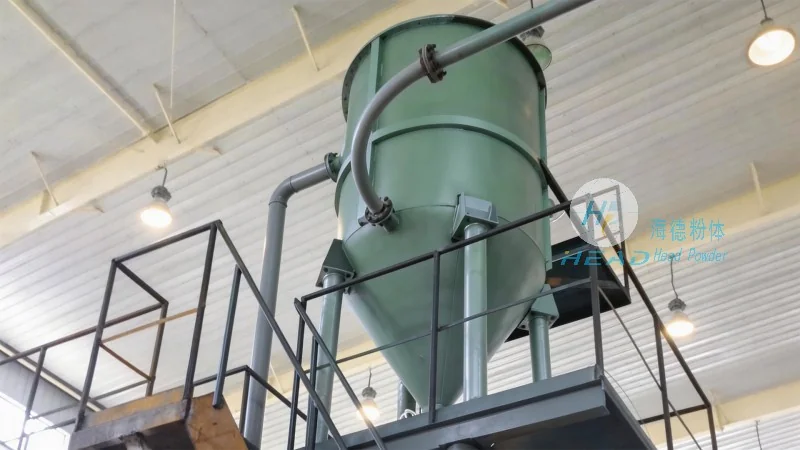
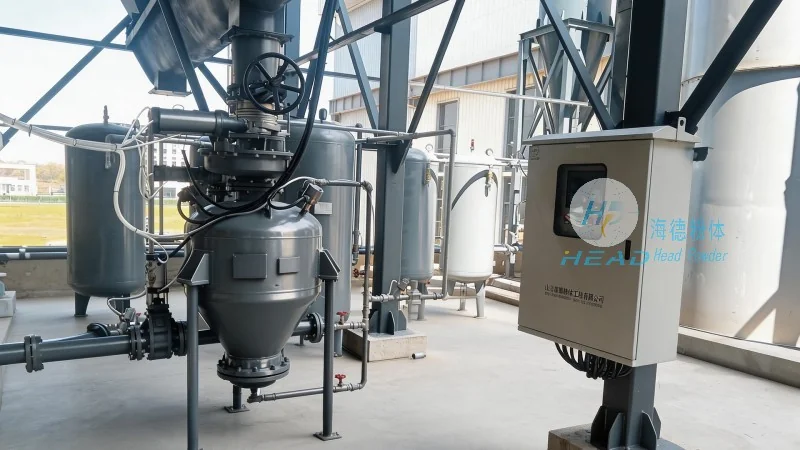
Key Design Principles of Ceramic Pneumatic Conveying Systems
The design of ceramic pneumatic conveying equipment is guided by several critical principles to ensure optimal performance, reliability, and longevity. First, the selection of appropriate materials for the system components is paramount. Ceramic materials, such as alumina or zirconia, are commonly used for the construction of conveying lines, valves, and other components due to their exceptional resistance to abrasion, corrosion, and high temperatures. This choice directly addresses the challenges posed by abrasive or corrosive materials, ensuring that the equipment can withstand the harsh conditions of material handling without degradation over time.
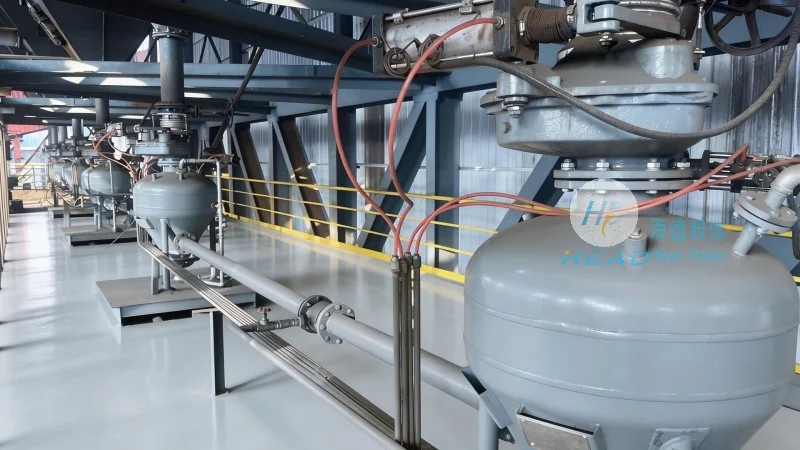
Second, the system design must consider the specific characteristics of the material being conveyed. Factors such as particle size, density, moisture content, and flowability are carefully evaluated to determine the most suitable conveying method—whether it be dilute phase, dense phase, or a hybrid approach. Dilute phase conveying, which uses high-velocity air to suspend particles in the air stream, is ideal for fine powders and low-density materials, while dense phase conveying employs lower air velocities and higher material concentrations to minimize particle degradation and prevent blockages. The design also incorporates features like in-line mixers and agitators to maintain material flow and prevent clogging, especially for cohesive or sticky materials.
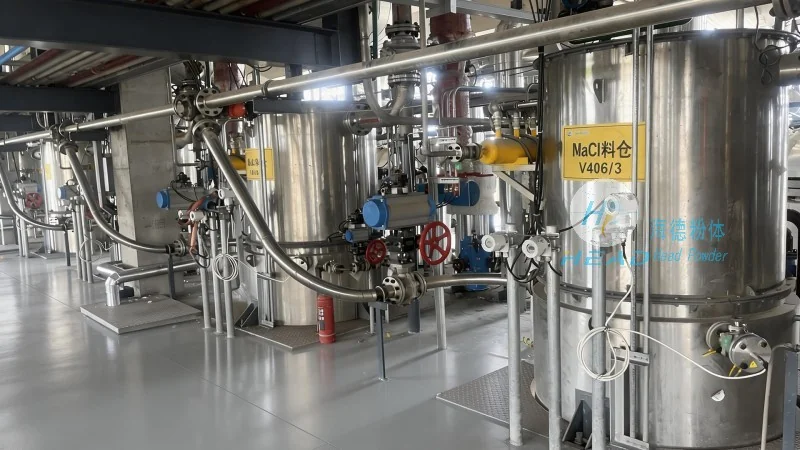
Third, the system must be engineered for energy efficiency and operational reliability. This includes optimizing air pressure and flow rates to minimize energy consumption while ensuring consistent material transport. Additionally, the integration of safety features, such as pressure relief valves and particle filters, is essential to protect both the equipment and the environment from potential hazards. The design also considers the overall system layout, including the placement of feeders, receivers, and intermediate storage units, to create a streamlined and efficient material flow path that minimizes downtime and maintenance requirements.