

What is a Capsule Pneumatic Conveying System? And What Are Its Design Principles?
Capsule pneumatic conveying systems represent a sophisticated method of material handling, particularly for powders and granules. These systems utilize pressurized air to transport bulk materials through a network of pipes, offering a flexible and efficient solution for various industrial applications. Understanding the fundamentals of this technology, including its design principles, is crucial for industries seeking reliable and cost-effective material transport solutions.
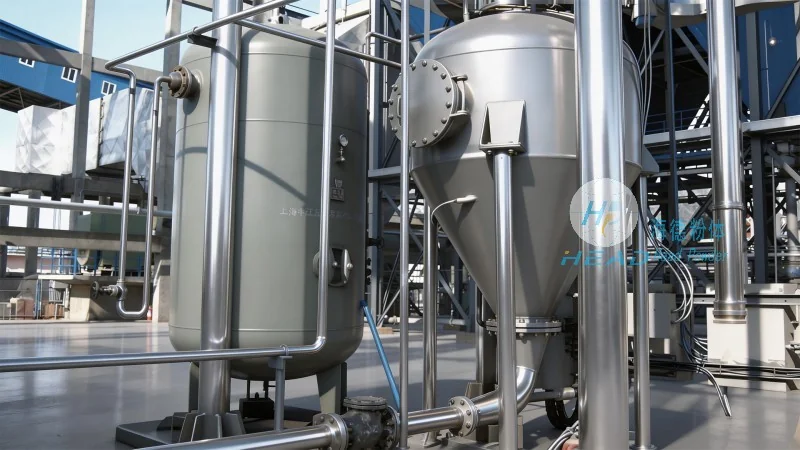
What is a Capsule Pneumatic Conveying System?
A capsule pneumatic conveying system, also known as a pneumatic conveyor, is a mechanical system designed to move bulk materials from one location to another using compressed air or other gas as the conveying medium. Unlike traditional vacuum or pressure systems, capsule conveyors operate by creating a low-pressure zone that draws or pushes material through a sealed tube. The core component of this system is the "capsule," a flexible, air-tight container that carries the material through the pipeline. This design allows for gentle handling of delicate materials, minimizing product degradation and ensuring consistent flow.
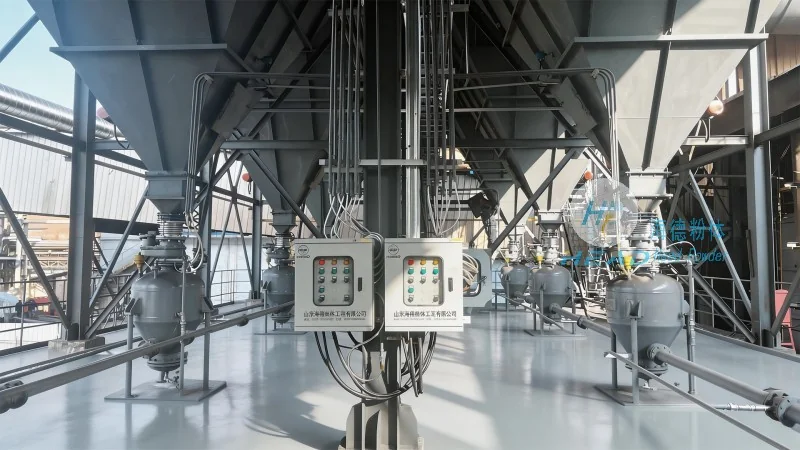
Key Components and Working Principle
The design of a capsule pneumatic conveying system involves several critical components, each playing a vital role in the overall operation. The primary components include the air compressor, which generates the necessary pressure; the capsule itself, which acts as the transport vessel; the pipeline network, which forms the path for material movement; and the control system, which regulates the flow and pressure. The working principle is based on the creation of a pressure differential. When the capsule is filled with material and the air pressure is adjusted, it moves through the pipeline. The system can operate in either pressure or vacuum mode, depending on the application requirements. In pressure mode, the capsule is filled with material under positive pressure, while in vacuum mode, it is drawn by a negative pressure created by the system.
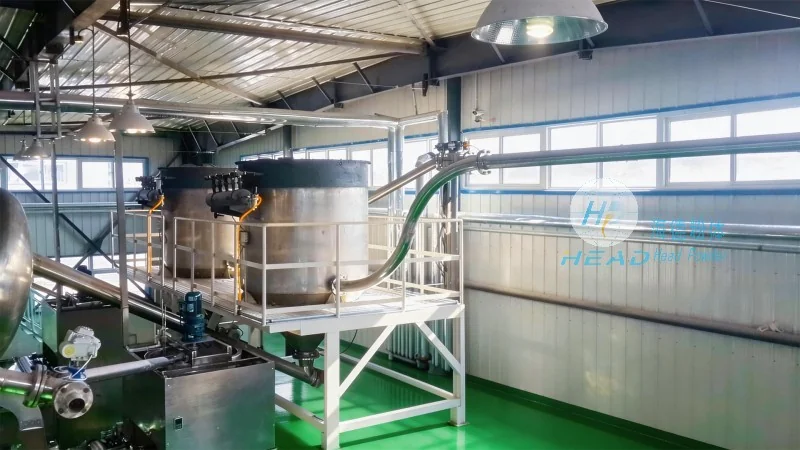
Design Principles and Engineering Considerations
The design principles of a capsule pneumatic conveying system are centered on efficiency, reliability, and adaptability. Engineers must consider several factors to ensure optimal performance, including the material properties of the bulk material (such as particle size, density, and flowability), the distance and layout of the conveying route, and the required flow rate. The choice of air pressure and flow rate is critical, as it directly impacts the system's capacity and energy consumption. Additionally, the system's design must account for factors like material abrasiveness and potential for dust generation, ensuring that components are appropriately selected to withstand wear and maintain air tightness. The capsule's material, typically made from durable rubber or synthetic materials, is designed to be flexible yet robust, allowing it to navigate bends and changes in direction within the pipeline without damage.
Applications and Benefits
Capsule pneumatic conveying systems are widely used in various industries, including pharmaceuticals, food processing, chemicals, and mining. Their ability to handle delicate materials, such as powders and granules, without degradation makes them ideal for applications where product quality is paramount. The system's flexibility allows for easy integration into existing production lines and can be adapted to different layouts and distances. Additionally, capsule conveyors offer advantages such as low maintenance, as they have fewer moving parts compared to traditional screw or belt conveyors. They also provide a hygienic and enclosed environment, reducing the risk of contamination and improving safety in the workplace.
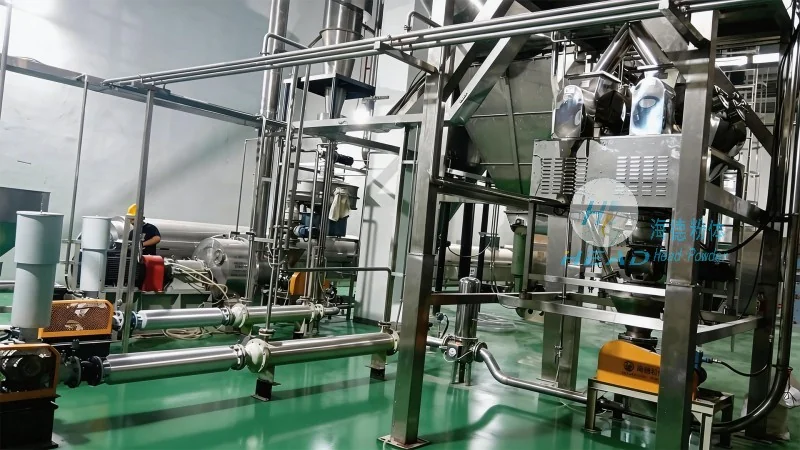
About Shandong HeadPowder Engineering Co., Ltd.
Shandong HeadPowder Engineering Co., Ltd., a leading manufacturer in the field, specializes in the design, development, and production of capsule pneumatic conveying systems. With a strong commitment to quality and innovation, the company has established itself as a trusted partner for industries seeking reliable material handling solutions. HeadPowder's expertise lies in tailoring systems to meet specific customer needs, ensuring that each installation is optimized for performance and efficiency. The company's headquarters is located in Shandong, China, where it leverages advanced engineering capabilities and a skilled workforce to deliver high-quality products that meet international standards.