

What is Ammonia Fertilizer Pneumatic Conveying Equipment? What Are Its Design Principles?
Ammonia fertilizer is a crucial component in modern agricultural practices, providing essential nutrients for crop growth. The efficient and safe transportation of this material from production facilities to storage or application sites is vital for maintaining productivity and ensuring environmental safety. This article explores the concept of ammonia fertilizer pneumatic conveying equipment and delves into its fundamental design principles, highlighting the technology's role in optimizing fertilizer handling processes.
About HeadPowder: Your Trusted Partner in Fertilizer Handling Solutions
HeadPowder, a leading manufacturer based in Shandong, China, specializes in engineering and supplying advanced pneumatic conveying systems for the fertilizer industry. With a strong commitment to quality and innovation, the company has established itself as a reliable partner for businesses seeking efficient and reliable solutions for ammonia fertilizer transportation. HeadPowder's headquarters and main operations are located in Shandong, China, where the company leverages local expertise and resources to develop cutting-edge equipment tailored to the unique demands of the fertilizer sector.
Understanding Pneumatic Conveying Systems for Ammonia Fertilizer
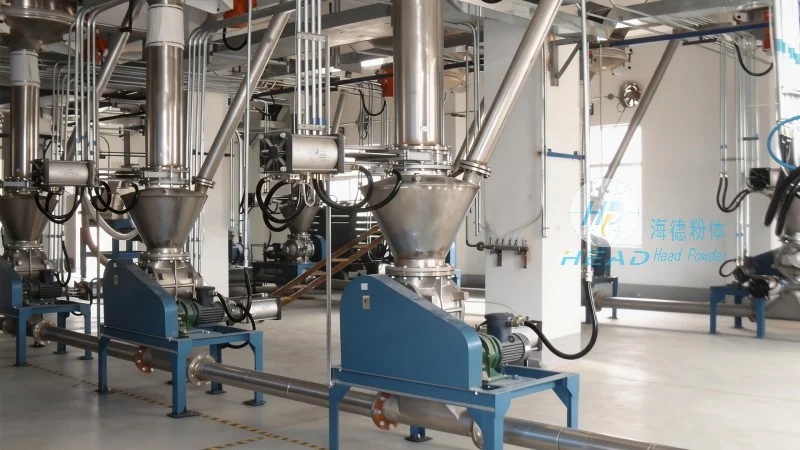
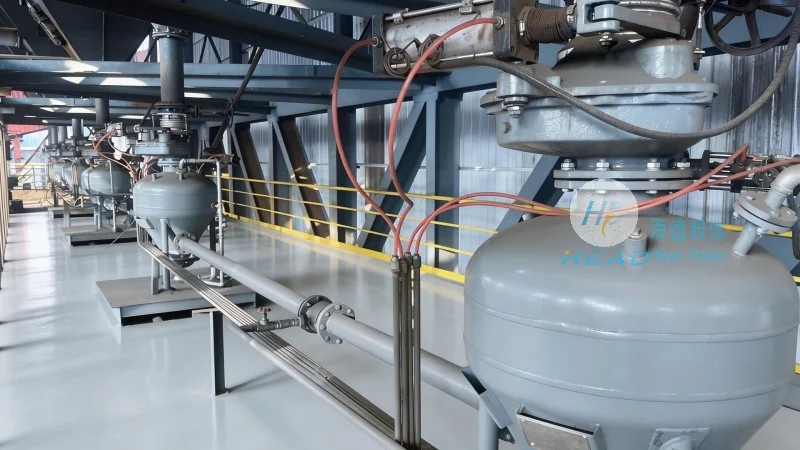
Pneumatic conveying equipment utilizes air or gas to transport bulk materials, such as ammonia fertilizer, through a pipeline system. This method offers several advantages over traditional mechanical conveying, including reduced equipment wear, lower maintenance costs, and improved safety by minimizing direct human contact with the material. The design of ammonia fertilizer pneumatic conveying systems must consider the specific properties of ammonia, including its chemical reactivity, moisture content, and potential for dust generation. Key components of these systems typically include a material feed hopper, a blower or compressor to generate the conveying air, a pipeline network, and a discharge unit. The feed hopper is designed to handle the bulk material and ensure a consistent flow into the system, while the blower provides the necessary pressure and airflow to move the material through the pipeline. The pipeline network is constructed from materials resistant to corrosion and chemical reactions, such as stainless steel or specialized coatings, to prevent degradation from ammonia exposure. The discharge unit then collects the fertilizer at the destination, such as a storage silo or loading facility. The design must also incorporate safety features, such as pressure relief valves and explosion-proof components, to mitigate risks associated with handling ammonia, a volatile and potentially hazardous substance. Additionally, the system may include filtration and cleaning mechanisms to maintain air quality and prevent dust accumulation, which is critical for both operational efficiency and environmental compliance.
Key Design Principles and Technical Considerations
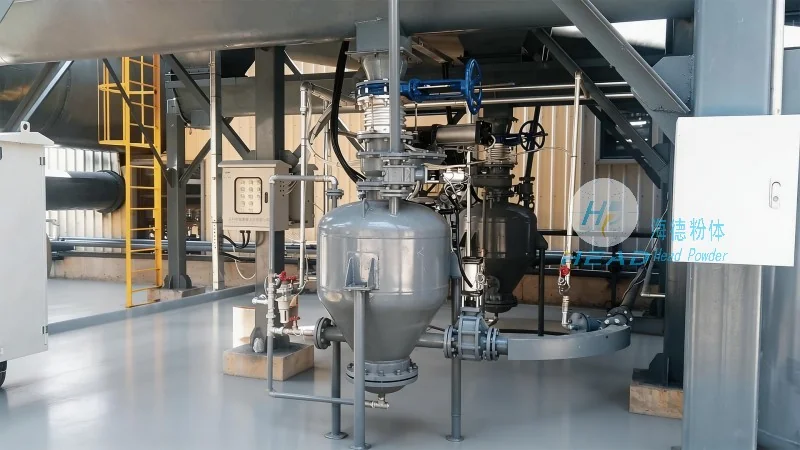
The design of ammonia fertilizer pneumatic conveying equipment revolves around several critical principles to ensure optimal performance and safety. First, the system must be capable of handling the high flow rates and bulk density of ammonia fertilizer, which often requires high-pressure air or gas to achieve effective transportation. The choice of blower or compressor type—such as positive displacement or centrifugal models—depends on the specific application and material characteristics. Positive displacement blowers are commonly used for high-pressure, low-volume applications, providing consistent airflow and pressure, while centrifugal compressors are suitable for larger volumes at lower pressures. Another critical design consideration is the material's moisture content and dust propensity. Ammonia fertilizer can be hygroscopic, meaning it absorbs moisture from the air, which may affect its flow characteristics and the system's efficiency. To address this, the conveying system may include drying or conditioning steps to stabilize the material's properties. Furthermore, the pipeline design must account for the potential for material buildup or blockages, particularly in vertical or horizontal sections. This may involve incorporating pulsation or vibration mechanisms to prevent clogging and ensure smooth material flow. The system's control and monitoring capabilities are also essential, allowing operators to adjust airflow, pressure, and material feed rates in real-time to maintain optimal performance. Advanced control systems may integrate sensors to detect pressure drops, temperature changes, or material flow rates, triggering alerts or automated adjustments to prevent system failures or safety hazards.
Conclusion: The Role of Ammonia Fertilizer Pneumatic Conveying Equipment in Modern Agriculture
Ammonia fertilizer pneumatic conveying equipment plays a pivotal role in the efficient and safe handling of this vital agricultural resource. By leveraging pneumatic technology, these systems offer a reliable alternative to traditional mechanical conveying, reducing operational costs and enhancing safety in fertilizer processing facilities. The design principles outlined above—such as material compatibility, pressure management, and safety features—are crucial for ensuring the long-term performance and reliability of the equipment. As the fertilizer industry continues to evolve, the demand for advanced conveying solutions will remain high, and companies like HeadPowder are at the forefront of developing innovative technologies to meet these needs. By understanding the fundamental design principles and technical considerations of ammonia fertilizer pneumatic conveying equipment, businesses can make informed decisions to optimize their fertilizer handling processes, ultimately contributing to increased agricultural productivity and sustainability.