

What is a Quicklime Pneumatic Conveying Equipment? And What Are Its Design Principles?
Quicklime, also known as calcium oxide (CaO), is a widely used industrial material in various sectors such as construction, chemical manufacturing, and environmental treatment. The efficient and safe transportation of quicklime from production sites to processing facilities is crucial for industrial operations. Pneumatic conveying systems have emerged as a reliable solution for handling quicklime, offering advantages like dust control, reduced material degradation, and improved process safety. This article aims to explore the concept of quicklime pneumatic conveying equipment and delve into its fundamental design principles.
About Shandong HeadPowder Engineering Co., Ltd.
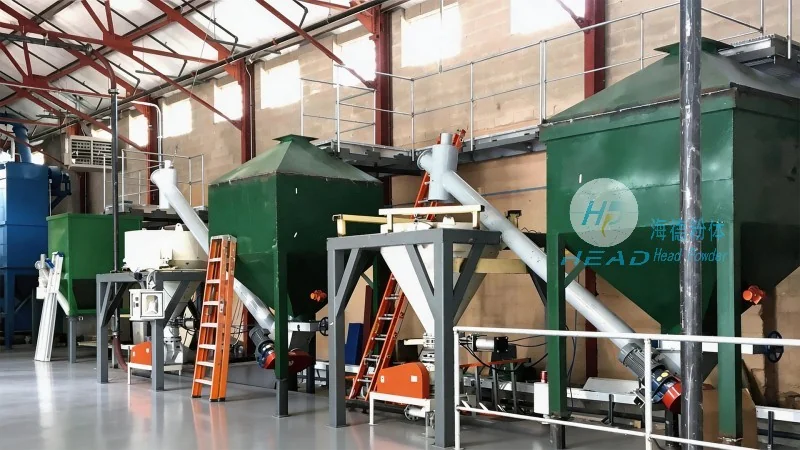
Shandong HeadPowder Engineering Co., Ltd., commonly known as HeadPowder, is a professional manufacturer and supplier of pneumatic conveying equipment. With a focus on innovation and quality, the company has established itself as a leading provider in the industry. HeadPowder's products are designed to meet the specific needs of various applications, ensuring optimal performance and reliability. The company's headquarters is located in Shandong, China, where it operates a state-of-the-art manufacturing facility and research center.
Basic Principles of Pneumatic Conveying Systems
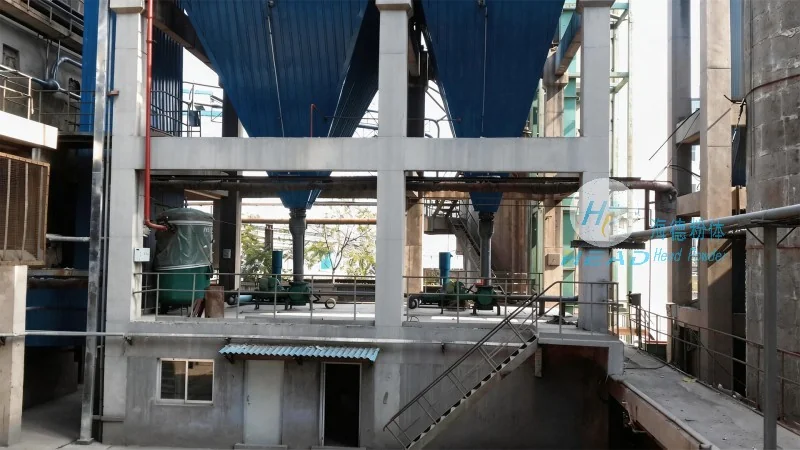
Pneumatic conveying systems utilize air or gas to transport bulk materials through a pipeline network. The core components of such a system typically include a material feed hopper, a conveying line, a gas source (like a blower or compressor), and a discharge unit. The process involves feeding the quicklime into the hopper, where it is then drawn into the conveying line by the moving air stream. The air velocity and pressure are carefully controlled to ensure the material is transported without clogging or degradation. There are two main types of pneumatic conveying: dilute-phase and dense-phase. Dilute-phase systems operate at higher air velocities, suitable for short distances and light materials, while dense-phase systems use lower air velocities and higher pressure to transport materials over longer distances and handle more viscous or abrasive materials like quicklime.
Design Principles for Quicklime Pneumatic Conveying Equipment
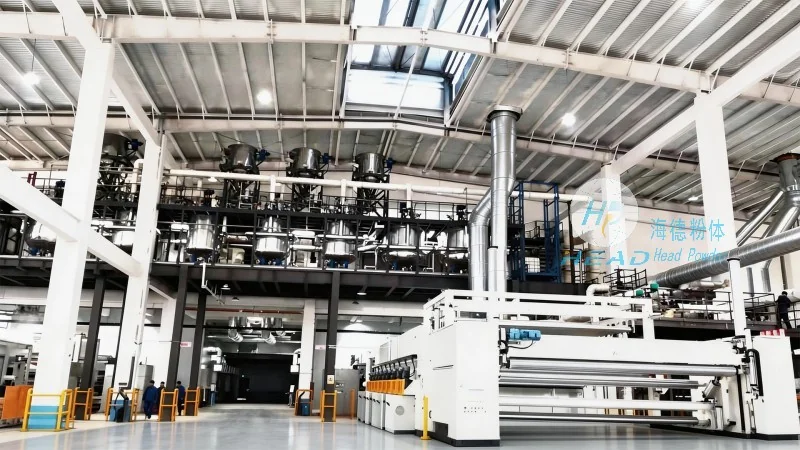
The design of quicklime pneumatic conveying equipment requires careful consideration of several key factors to ensure efficient and safe operation. First, the material properties of quicklime, such as its particle size distribution, density, and reactivity, must be taken into account. Quicklime is a highly reactive material that can cause corrosion and wear on equipment components. Therefore, materials like stainless steel or special alloys are often used for the construction of the conveying line and other critical parts. Second, the system's capacity and flow rate are determined based on the required throughput and the distance between the source and destination. The design must ensure that the air velocity is sufficient to keep the material in suspension but not so high as to cause excessive energy consumption or material degradation. Third, the system's pressure and vacuum levels are optimized to balance the conveying distance and the material's characteristics. For example, in long-distance conveying, higher pressure systems may be employed to maintain the material's flowability. Fourth, the inclusion of features like cyclones, filters, and dust collection systems is essential to prevent dust emissions and protect the environment and personnel. These components help in separating the quicklime from the air stream and collecting the dust for safe disposal.
Key Components and Advantages of Quicklime Pneumatic Conveying Equipment
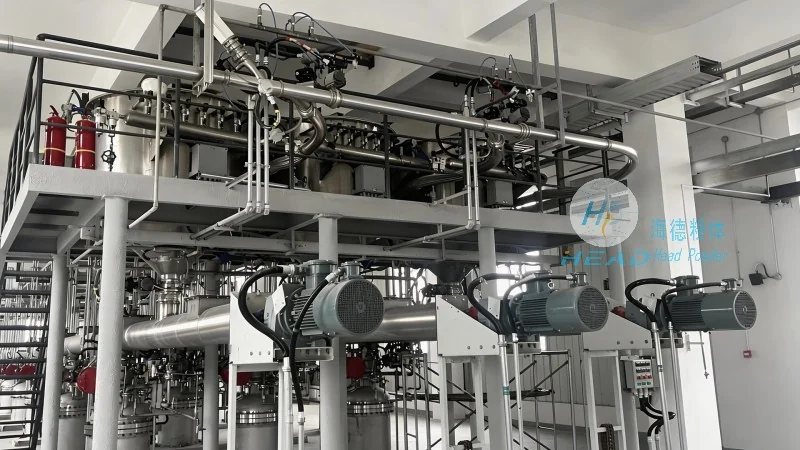
Quicklime pneumatic conveying equipment typically consists of several key components that work together to ensure smooth operation. The material feed hopper is designed to store and feed the quicklime into the system at a controlled rate. It often includes a level indicator and a discharge valve to regulate the material flow. The conveying line is usually made of durable materials like stainless steel or high-density polyethylene to withstand the corrosive nature of quicklime and prevent leaks. The gas source, such as a positive displacement blower or a rotary lobe compressor, provides the necessary air pressure and volume to move the material through the line. The discharge unit, which may include a cyclone separator or a filter, collects the quicklime and separates it from the air stream. The advantages of using pneumatic conveying for quicklime include improved safety by reducing direct handling of the material, better dust control to minimize environmental impact, and increased efficiency by minimizing material loss and degradation. Additionally, pneumatic systems can be integrated with other processes, such as drying or mixing, to create a more comprehensive production line.
Application and Future Outlook
Quicklime pneumatic conveying equipment is widely used in various industrial applications, including cement production, steel manufacturing, and environmental remediation. The equipment's ability to handle quicklime efficiently and safely makes it an essential component in many production processes. As industries continue to seek more sustainable and efficient solutions, the demand for advanced pneumatic conveying systems is expected to grow. Shandong HeadPowder Engineering Co., Ltd. remains committed to developing innovative and reliable solutions for quicklime handling, leveraging its expertise and state-of-the-art technology to meet the evolving needs of the industry. By focusing on quality, performance, and customer satisfaction, HeadPowder aims to provide top-tier pneumatic conveying equipment that enhances operational efficiency and safety for its clients.