

What Are Silicate Pneumatic Conveying Equipment? And What Are Their Design Principles?
Silicate materials, such as feldspar, quartz, and kaolin, are widely utilized across industries including ceramics, glass, and pharmaceuticals. The efficient handling of these powders is critical for maintaining product quality and operational efficiency. Silicate pneumatic conveying equipment provides a solution by transporting materials through a pipeline using air or other gases. This method is especially advantageous for dusty, abrasive, or moisture-sensitive materials, as it minimizes contamination and reduces the risk of product degradation.
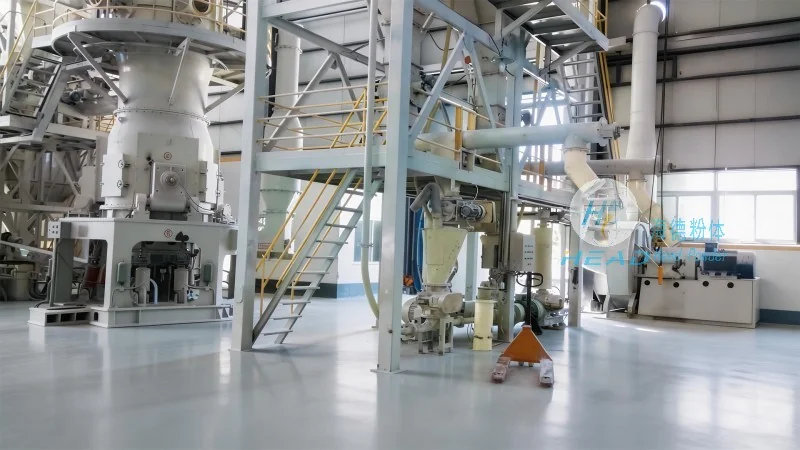
The Core Design Principles of Silicate Pneumatic Conveying Systems
The design of silicate pneumatic conveying equipment is grounded in several key principles to ensure reliable and efficient material transport. Primary design considerations include selecting appropriate air velocity, configuring the conveying line, and using suitable components like rotary valves, filters, and receivers. Air velocity must be high enough to overcome material resistance but low enough to prevent excessive wear on system parts. The conveying line is typically a closed loop with components working in tandem to move material from source to destination. Rotary valves feed material into the line, while filters and receivers separate material from air and collect it. The system also incorporates pressure relief valves and safety features for safe operation under various conditions.
Key Components and Their Functions in Silicate Pneumatic Conveying Equipment
Several key components are integral to the operation of silicate pneumatic conveying systems. The first component is the rotary valve, acting as a feeder to control material flow into the conveying line. This ensures a consistent feed rate for stable system performance. The conveying line, often made of stainless steel or special alloys, is designed to withstand abrasive silicate powders. It includes bends and elbows to minimize pressure loss and prevent material buildup. Filters separate material from air, ensuring clean, dry collection. Receivers store conveyed material until ready for use. These components work together to create a seamless, efficient transport process.
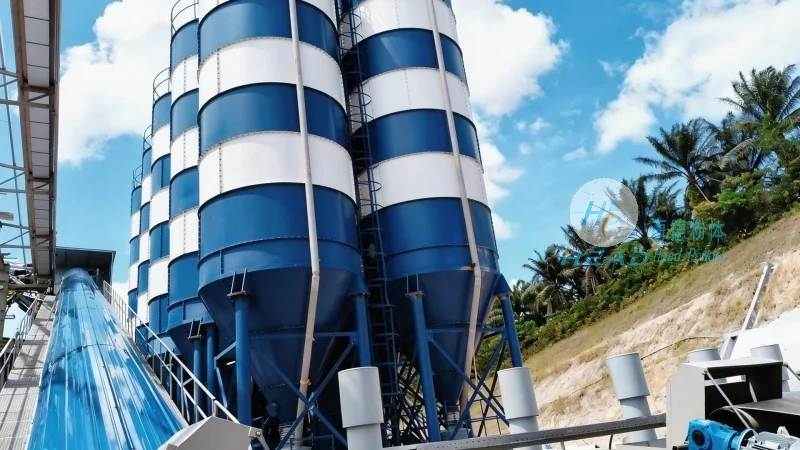
Advantages of Using Silicate Pneumatic Conveying Equipment
There are several advantages to using silicate pneumatic conveying equipment in industrial applications. One key advantage is the ability to transport materials over long distances without intermediate storage or handling, reducing contamination risk and improving product quality. Another advantage is labor cost reduction, as the system operates with minimal human intervention. The equipment also minimizes dust explosion risks by containing material in a closed system. Additionally, it can be easily integrated with other processing equipment like mixers or dryers to create fully automated production lines.
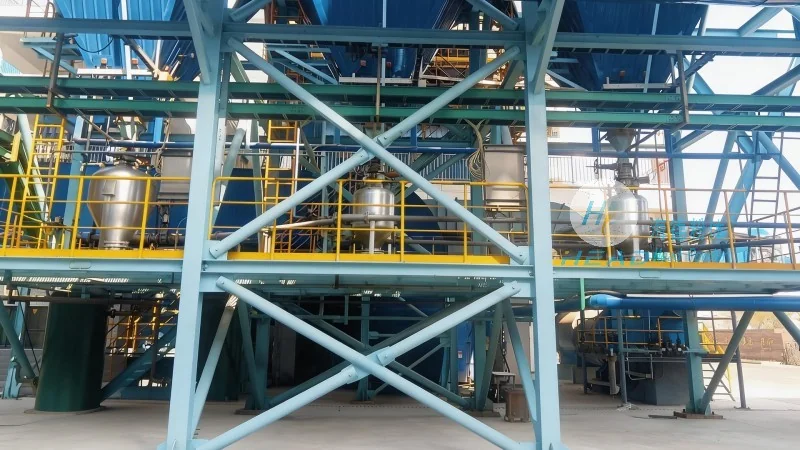
About Shandong HeadPowder Engineering Co., Ltd.
Shandong HeadPowder Engineering Co., Ltd., commonly known as HeadPowder, is a leading manufacturer of silicate pneumatic conveying equipment. The company has a long-standing reputation for producing high-quality, reliable equipment tailored to various industries. HeadPowder’s products are designed to handle a wide range of silicate materials, including feldspar, quartz, and kaolin, and are suitable for applications in ceramics, glass, and pharmaceuticals. The company’s engineers and technicians have extensive experience in pneumatic conveying system design and manufacturing, working closely with customers to develop customized solutions. HeadPowder is committed to excellent customer service and support, with products backed by comprehensive warranties and technical support programs.
Conclusion
Silicate pneumatic conveying equipment is an essential tool for efficiently handling silicate materials in various industries. The design principles and components of these systems are carefully engineered for reliable, efficient material transport. Companies like Shandong HeadPowder Engineering Co., Ltd. play a crucial role in providing high-quality equipment that meets industrial needs. By understanding system design and advantages, businesses can enhance operational efficiency and product quality.