

What is Kaolin Pneumatic Conveying Equipment? And What Are Its Design Principles?
For industries dealing with kaolin, the efficient and reliable transport of this fine mineral is crucial. Kaolin, known for its high purity and versatile applications in ceramics, paper, and coatings, requires specialized equipment to handle its unique properties. Pneumatic conveying systems have emerged as a preferred solution, offering advantages such as dust-free operation, flexibility, and the ability to transport kaolin over long distances. This article delves into the concept of kaolin pneumatic conveying equipment and explores the fundamental design principles that underpin its functionality.
Introduction to Kaolin Pneumatic Conveying Systems
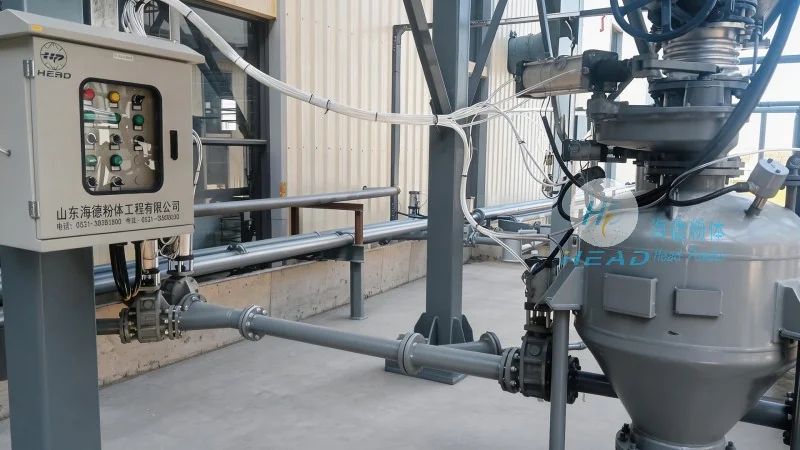
Kaolin, a type of clay, is characterized by its fine particle size and low bulk density, which can pose challenges during material handling. Traditional methods like belt conveyors or bucket elevators may not be suitable due to the risk of dust generation and material degradation. Pneumatic conveying equipment, which uses air or gas to transport solid materials, provides an effective alternative. These systems are particularly beneficial for kaolin because they can maintain the material's quality while ensuring safe and efficient transport. The core components of a kaolin pneumatic conveying system typically include a material feed hopper, a conveying line, a dust collector, and a discharge outlet. Each component plays a critical role in the overall operation, and the design of these elements must align with the specific characteristics of kaolin.
Key Design Principles for Kaolin Pneumatic Conveying Equipment
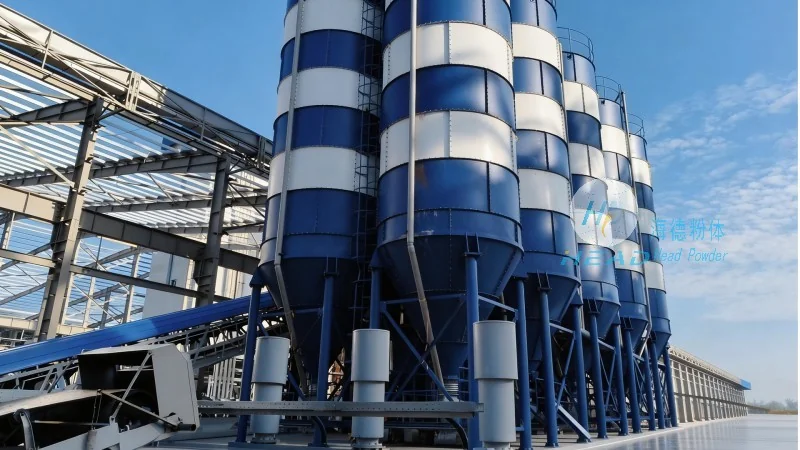
The design of kaolin pneumatic conveying equipment is guided by several key principles to ensure optimal performance and durability. The first principle is the selection of appropriate air velocity. The air velocity must be high enough to lift and transport the kaolin particles but low enough to prevent excessive wear on the conveying line and to minimize energy consumption. For kaolin, which has a relatively low bulk density, the air velocity is often set between 20 to 30 meters per second in the conveying line. This velocity ensures that the particles remain suspended and are transported efficiently without settling or clogging the system. Another critical design principle is the consideration of particle size distribution. Kaolin particles can vary in size, and the conveying system must be designed to handle the entire range of particle sizes without causing blockages or inefficiencies. This often involves using a combination of conveying methods, such as dilute-phase and dense-phase conveying, depending on the specific application and material characteristics.
Components and Their Functions in Kaolin Pneumatic Conveying Systems
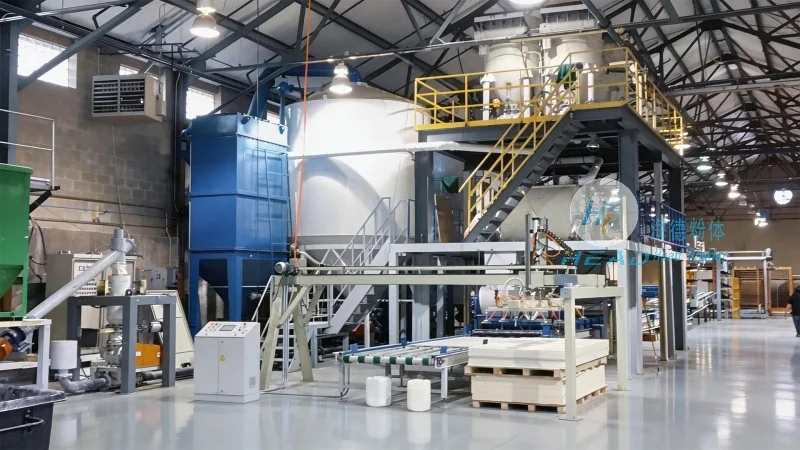
Each component of a kaolin pneumatic conveying system contributes to the overall efficiency and effectiveness of the equipment. The material feed hopper is responsible for storing and feeding the kaolin into the conveying line. It is typically designed with a hopper angle to prevent material bridging and ensure a consistent flow of material. The hopper may also include a rotary valve or a star feeder to control the flow rate and prevent overloading the system. The conveying line, which can be made of metal or plastic, is the main channel through which the kaolin and air travel. The choice of material for the conveying line depends on the chemical compatibility with kaolin and the need for durability under high air pressure and particle abrasion. The line is usually equipped with bends and elbows to direct the flow, and these components are designed to minimize pressure drop and prevent particle accumulation. The dust collector is a crucial component that removes fine particles from the exhaust air, ensuring compliance with environmental regulations and preventing dust contamination in the workplace. The discharge outlet is where the kaolin is released from the system, typically into a storage bin or processing equipment. It is designed to prevent backflow and ensure a smooth discharge of the material.
Advantages of Using Kaolin Pneumatic Conveying Equipment
Implementing kaolin pneumatic conveying equipment offers several advantages over traditional material handling methods. One of the primary benefits is the elimination of dust and contamination, which is critical for maintaining the quality of kaolin, especially for applications in the paper and ceramics industries. Unlike mechanical conveyors, pneumatic systems operate in a closed environment, reducing the risk of dust exposure to workers and the environment. Another advantage is the flexibility of the system, which allows for the transport of kaolin over long distances and through multiple points of discharge. This flexibility is particularly useful in industrial settings where the material needs to be delivered to different processing units or storage locations. Additionally, pneumatic conveying systems can handle a wide range of particle sizes and moisture content, making them suitable for various kaolin grades. The energy efficiency of these systems is also a significant advantage, as they can operate with lower energy consumption compared to other methods, especially when the conveying distance is short. The reliability of the equipment is another key benefit, as pneumatic systems are less prone to mechanical failures and can continue to operate even if one component experiences a minor issue.
Considerations for Designing Kaolin Pneumatic Conveying Systems
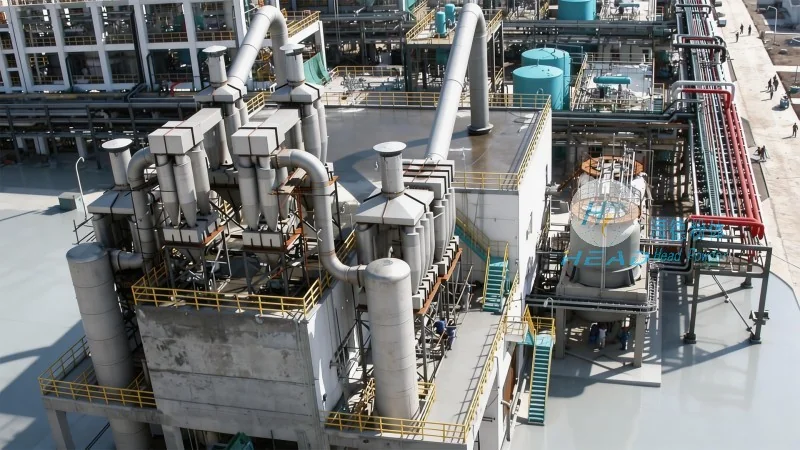
When designing a kaolin pneumatic conveying system, several factors must be considered to ensure optimal performance and longevity. The first consideration is the material characteristics of kaolin, including its particle size, density, and moisture content. These properties directly affect the air velocity required for conveying and the design of the system components. For example, finer kaolin particles may require higher air velocities to maintain suspension, while coarser particles may need a different approach to prevent clogging. The second consideration is the conveying distance and the number of bends or changes in direction. The longer the distance and the more complex the path, the higher the pressure drop and the more energy the system will consume. Designers must account for these factors to ensure the system operates efficiently and within the required pressure limits. The third consideration is the environmental and safety regulations. Pneumatic conveying systems must comply with local regulations regarding dust emission and noise levels. This may require the installation of additional equipment, such as a high-efficiency particulate air (HEPA) filter or a noise reduction system. The fourth consideration is the cost of the equipment and its maintenance. While pneumatic conveying systems may have a higher initial investment compared to traditional methods, their long-term benefits, such as reduced downtime and lower maintenance costs, make them a cost-effective solution in the long run.