

What is Corn Kernels Pneumatic Conveying Equipment? Exploring Its Design Principles
For agricultural processing facilities, efficiently handling bulk materials like corn kernels is crucial for maintaining productivity and product quality. Among the various methods available, pneumatic conveying systems have emerged as a reliable and effective solution. This article delves into what corn kernels pneumatic conveying equipment is and the underlying design principles that make it a preferred choice in the industry.
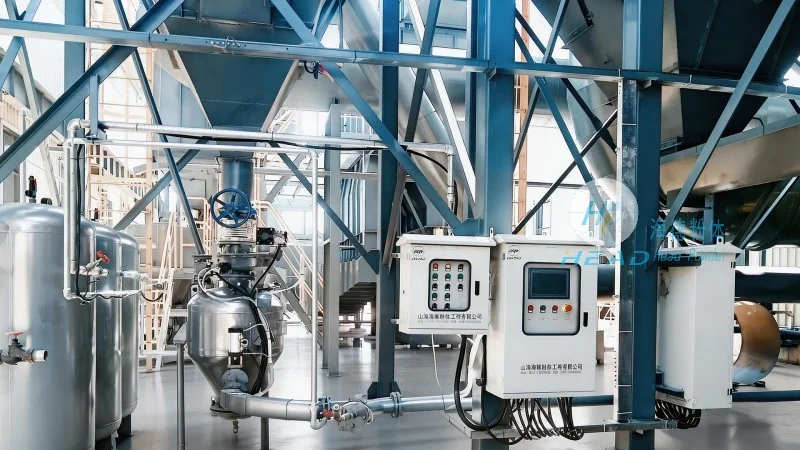
Pneumatic Conveying Systems: An Overview
Pneumatic conveying, also known as air conveying, is a technology that uses pressurized or vacuum air to transport bulk materials through a pipeline. Unlike mechanical conveyors, which rely on physical components like belts or screws, pneumatic systems utilize air pressure to move materials, offering advantages such as reduced maintenance, lower risk of product contamination, and the ability to handle fragile or delicate materials without damage. For corn kernels, which are often used in food processing, feed production, or biofuel applications, pneumatic conveying ensures that the kernels remain intact and free from mechanical stress.
Components of Corn Kernels Pneumatic Conveying Equipment
The effectiveness of a corn kernels pneumatic conveying system depends on its well-designed components, each playing a critical role in the overall operation. Key components include:
- Air Supply Unit: This component generates the necessary air pressure or vacuum to move the corn kernels through the system. It typically consists of a blower or compressor, which can be either positive displacement or centrifugal, depending on the system's requirements. The air supply unit is responsible for providing a consistent flow of air to maintain the conveying velocity.
- Inlet and Feed Hopper: The inlet or feed hopper is where the corn kernels are introduced into the system. It is designed to ensure a smooth and continuous feed of material into the pipeline. The hopper may include features like a gate valve or a rotary valve to control the flow rate and prevent material buildup.
- Pipeline and Conveying Tubes: The pipeline is the main channel through which the corn kernels are transported. The design of the pipeline, including its diameter, length, and bends, is critical to minimize pressure drop and ensure efficient conveying. The material of the pipeline, often stainless steel or PVC, must be durable and resistant to corrosion from the corn kernels and any moisture present.
- Separation and Collection System: At the end of the conveying line, a separation system is used to separate the corn kernels from the air stream. This may involve a cyclone separator, which uses centrifugal force to separate the solid particles from the air, or a bag filter for finer particles. The collected corn kernels are then directed to a storage or processing area.
- Control and Monitoring Systems: Modern pneumatic conveying systems are equipped with control panels and monitoring devices to regulate the air pressure, flow rate, and material feed. These systems help maintain optimal operation, detect any issues such as blockages or pressure drops, and ensure the safety of the equipment and personnel.
Design Principles for Efficient Corn Kernels Pneumatic Conveying
The design of a corn kernels pneumatic conveying system follows several key principles to ensure efficiency, reliability, and cost-effectiveness. These principles are tailored to the specific characteristics of corn kernels, such as their size, density, and moisture content.
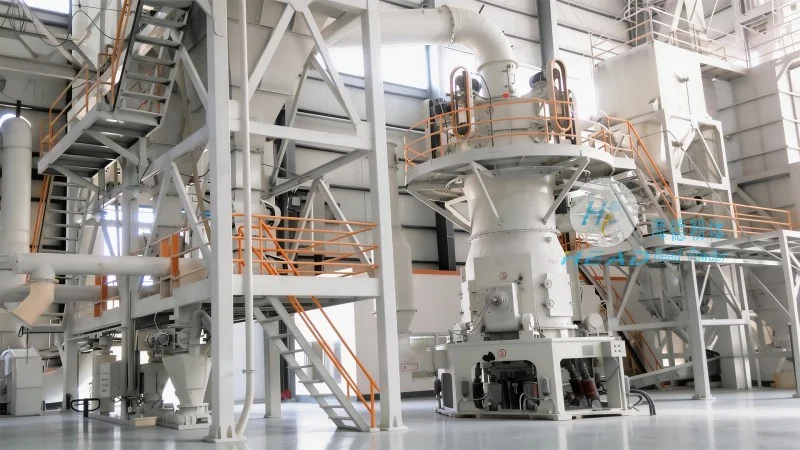
1. Velocity and Pressure Management: The conveying velocity is a critical factor in pneumatic systems. For corn kernels, a velocity of 20-30 meters per second is typically recommended to prevent material degradation and ensure smooth flow. The pressure required to achieve this velocity depends on the pipeline length, diameter, and the number of bends. Proper pressure management is essential to avoid excessive energy consumption or equipment damage.
2. Material Characteristics Consideration: Corn kernels have a relatively high density and can be prone to clumping, especially if they are moist. The design must account for these characteristics by ensuring adequate air flow to prevent blockages and by incorporating features like vibration or agitation in the hopper to break up clumps. The pipeline diameter is also chosen based on the kernel size to ensure that the material can flow freely without causing excessive pressure drop.
3. System Integration and Scalability: A well-designed pneumatic conveying system is often integrated with other processing equipment, such as storage silos or processing lines. The design must consider the overall system layout to minimize the number of bends and the length of the pipeline, which reduces energy consumption and improves efficiency. Additionally, the system should be scalable to accommodate future increases in production capacity, allowing for easy expansion without major modifications.
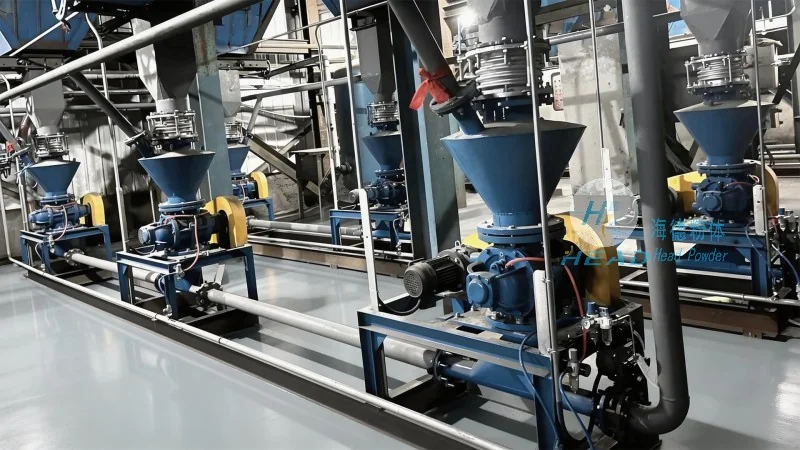
4. Safety and Maintenance: Safety is a top priority in industrial applications. The design includes safety features such as pressure relief valves, emergency shut-off systems, and proper ventilation to prevent the accumulation of dust or fumes. Regular maintenance is also essential to ensure the longevity of the equipment. The components, especially the air supply unit and separation system, are designed for easy access and maintenance, reducing downtime and maintenance costs.
Shandong HeadPowder Engineering Co., Ltd.: Experts in Pneumatic Conveying Solutions
Shandong HeadPowder Engineering Co., Ltd., a leading manufacturer based in China, specializes in providing high-quality pneumatic conveying equipment tailored to the needs of agricultural and food processing industries. With years of experience and a commitment to innovation, the company has developed advanced solutions that meet the specific requirements of corn kernels and other bulk materials.
The company's expertise lies in the design and manufacturing of custom pneumatic conveying systems, ensuring that each solution is optimized for the customer's application. Their products are known for their durability, efficiency, and reliability, helping processing facilities improve their productivity and product quality. Based in Shandong, China, the company leverages its local resources and expertise to deliver comprehensive solutions that address the unique challenges of bulk material handling.