

What is Compound Fertilizer Pneumatic Conveying Equipment? And What Are Its Design Principles?
Compound fertilizer pneumatic conveying equipment is a specialized system designed to transport bulk solid materials, particularly compound fertilizers, from one location to another using air as the conveying medium. This technology has become increasingly vital in the fertilizer industry due to its efficiency, flexibility, and ability to handle various types of granular or powdery fertilizers. The equipment operates by creating a vacuum or pressure differential to move the material through a pipeline, making it an essential component in modern fertilizer processing and distribution systems.
Understanding the Core Function of Pneumatic Conveying Systems
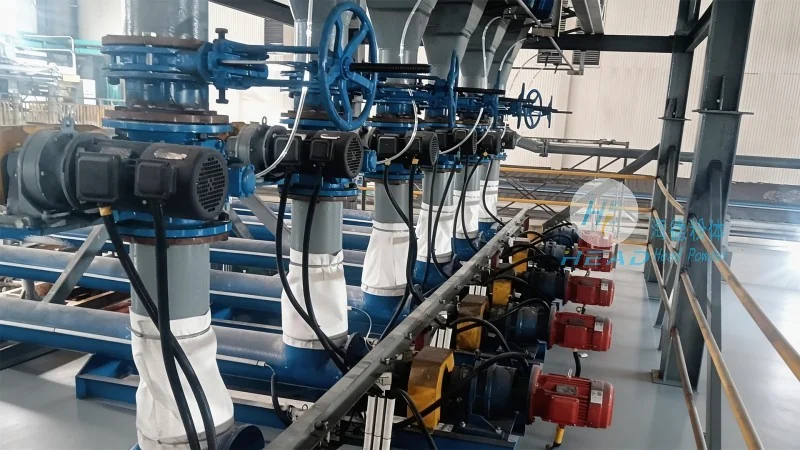
The primary function of compound fertilizer pneumatic conveying equipment is to transport bulk solid materials, such as granular or powdered compound fertilizers, over long distances or within industrial facilities. Unlike traditional mechanical conveyors, which rely on physical contact and friction to move materials, pneumatic systems use air to suspend and transport the material particles. This method is particularly advantageous for handling fine powders or granules that are prone to caking or segregation in traditional systems. The equipment typically consists of a feeding hopper, a conveyor line (often with multiple segments), a control system, and a discharge unit, all working in tandem to ensure efficient and reliable material transport.
Key Design Principles Behind Pneumatic Conveying Equipment
The design of compound fertilizer pneumatic conveying equipment is governed by several critical principles to ensure optimal performance and reliability. First, the system must be capable of handling the specific properties of compound fertilizers, including their particle size distribution, moisture content, and flowability. Engineers must consider factors such as the material's density, abrasiveness, and potential for dust generation when designing the conveying line and components. The choice of materials for the pipeline, valves, and other parts is also crucial to prevent corrosion or wear from the abrasive fertilizer particles. Additionally, the system's capacity and pressure requirements are determined by the desired throughput and the distance the material needs to travel. A well-designed system balances these factors to achieve high efficiency while minimizing energy consumption and operational costs.
Components and Operational Mechanisms of Pneumatic Conveying Systems
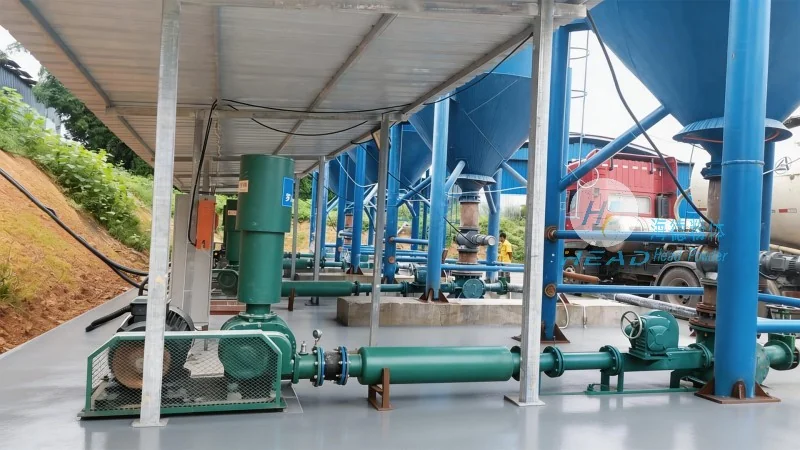
Compound fertilizer pneumatic conveying equipment comprises several key components that work together to facilitate material transport. The feeding hopper is responsible for storing and feeding the fertilizer into the system, often equipped with a rotary valve or feeder to control the flow rate. The conveyor line, which may include straight sections, bends, and vertical lifts, is the main pathway for the material. Air is introduced into the system through a blower or compressor, creating a pressure differential that moves the material. The control system monitors and adjusts the air pressure, flow rate, and other parameters to maintain consistent performance. The discharge unit collects the material at the end of the conveyor line and may include a silo or storage tank for further processing. Each component is designed to withstand the demands of fertilizer handling, ensuring durability and long-term reliability.
Advantages of Using Pneumatic Conveying for Compound Fertilizers
There are several advantages to using pneumatic conveying systems for compound fertilizers. One of the most significant benefits is the ability to handle fine powders and granules without causing segregation or degradation. The air suspension method prevents the material from settling or compacting, maintaining its quality and consistency. Additionally, pneumatic systems are highly flexible, allowing for changes in the conveying route or capacity without major modifications. They can also operate in environments where traditional conveyors may be impractical, such as in areas with limited space or where the material is sensitive to moisture. The systems are also relatively easy to install and maintain, with fewer moving parts compared to mechanical conveyors, reducing downtime and maintenance costs.
Applications and Industries Utilizing Pneumatic Conveying Equipment
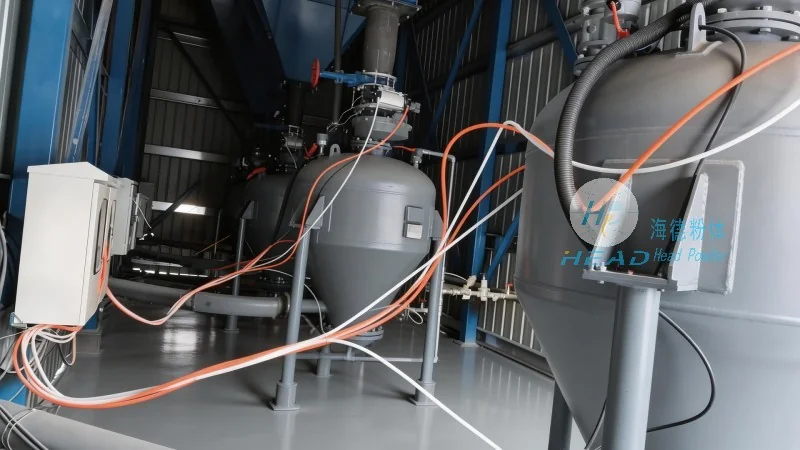
Compound fertilizer pneumatic conveying equipment is widely used in various industries, particularly in the fertilizer manufacturing and agricultural sectors. In fertilizer plants, the equipment is used to transport raw materials from storage silos to processing units, as well as to move finished products to packaging or storage areas. It is also employed in agricultural applications, such as transporting fertilizers to fields or storage facilities. The versatility of pneumatic systems makes them suitable for a range of applications, from small-scale farms to large industrial fertilizer production facilities. The ability to handle different types of fertilizers, including nitrogen, phosphorus, and potassium blends, further enhances their utility in the industry.
Conclusion: The Importance of Reliable Pneumatic Conveying Systems
In conclusion, compound fertilizer pneumatic conveying equipment is a critical technology in the fertilizer industry, enabling efficient and reliable transport of bulk materials. The design principles and components of these systems are tailored to handle the specific properties of compound fertilizers, ensuring optimal performance and durability. As the demand for high-quality fertilizers continues to grow, the importance of reliable pneumatic conveying systems will only increase. Companies like Shandong HeadPowder Engineering Co., Ltd., based in Shandong, China, play a vital role in providing advanced solutions for the fertilizer industry, helping to meet the global demand for agricultural products while maintaining efficiency and sustainability.