

What is Rubber Granule Pneumatic Conveying Equipment? And What Are Its Design Principles?
For industries dealing with rubber granules, efficient material handling is crucial. Rubber granule pneumatic conveying equipment offers a reliable solution to transport these materials with precision and minimal loss. This article explores the fundamental aspects of such equipment, focusing on its design principles and the technology behind it.
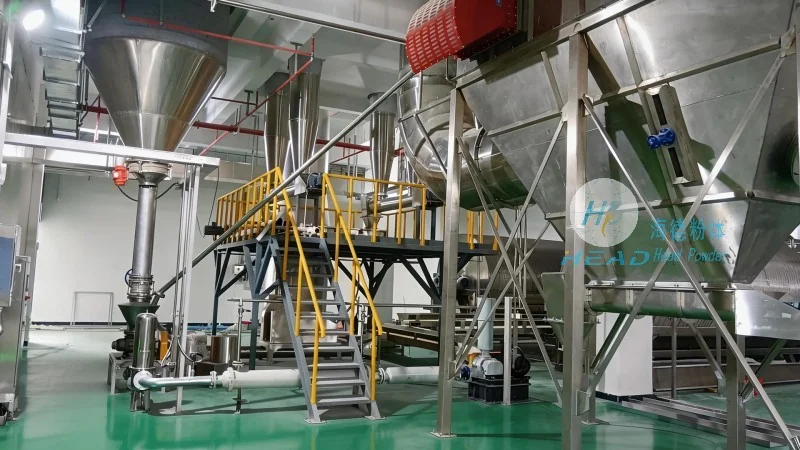
Introduction to Rubber Granule Pneumatic Conveying Equipment
Rubber granules are widely used in various applications, including flooring, sports surfaces, and industrial products. The transportation of these granules from one location to another requires specialized equipment that can handle their unique properties. Pneumatic conveying systems utilize air to move materials, making them ideal for rubber granules due to their light weight and potential for dust generation. HeadPowder, a leading manufacturer based in Shandong, China, specializes in designing and producing high-quality pneumatic conveying equipment tailored for rubber granule applications.
Design Principles of Pneumatic Conveying Systems
The core design principle of rubber granule pneumatic conveying equipment revolves around the use of air pressure to transport materials. There are two main types of pneumatic conveying: pressure and vacuum systems. Pressure systems use compressed air to push materials through a pipeline, while vacuum systems use a vacuum to pull materials. For rubber granules, pressure systems are often preferred as they can handle higher material loads and are more suitable for long-distance transport. The design of the equipment involves several key components, including the hopper, feeder, pipeline, and receiver.
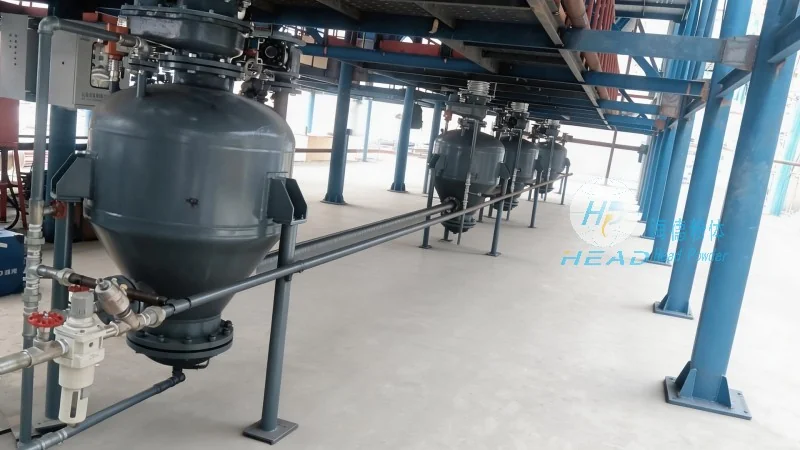
The hopper is designed to store the rubber granules and feed them into the system. It typically has a sloped bottom to ensure smooth material flow. The feeder, often a rotary valve or a screw feeder, controls the flow rate of the granules into the pipeline. The pipeline is made of materials resistant to the corrosive properties of rubber granules and the effects of air pressure. The receiver is where the material is deposited after being conveyed through the pipeline.
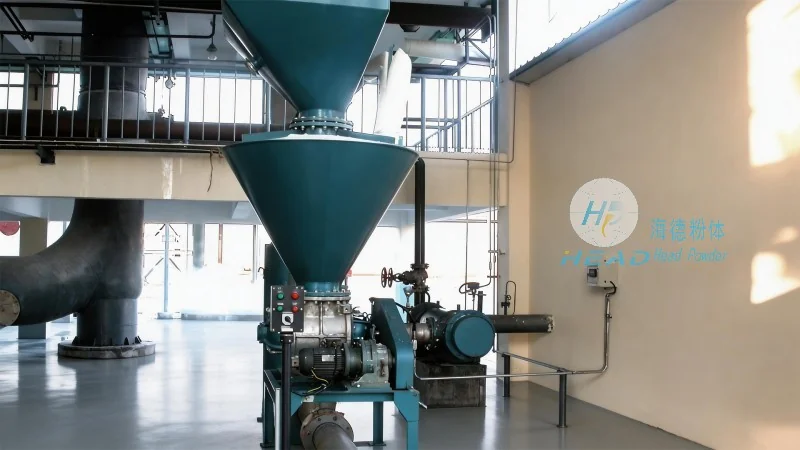
Key Design Considerations for Rubber Granule Conveying
When designing pneumatic conveying equipment for rubber granules, several factors must be considered to ensure optimal performance. First, the material's density and particle size are critical. Rubber granules can vary in size, and the equipment must be designed to handle the specific size range. The system must also account for the material's moisture content, as moisture can affect the air flow and cause blockages. Additionally, the system's capacity and the required conveying distance are important design parameters. HeadPowder engineers consider these factors to develop customized solutions that meet the specific needs of each client.
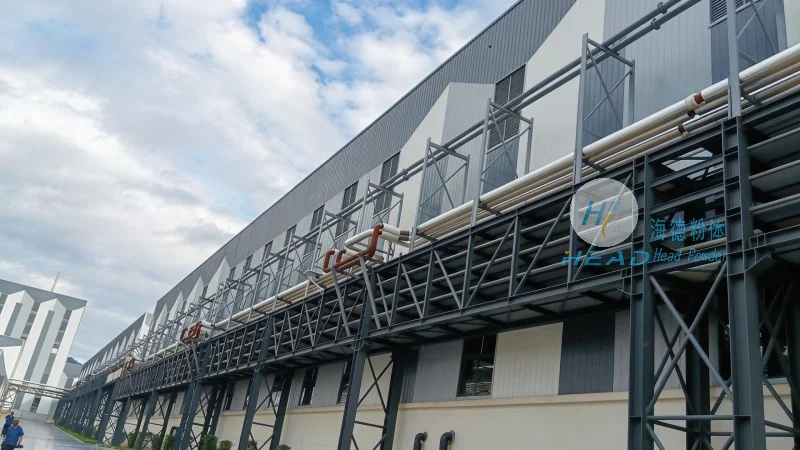
Advantages of Rubber Granule Pneumatic Conveying Equipment
Using pneumatic conveying equipment for rubber granules offers several advantages over traditional methods like belt conveyors or bucket elevators. One of the main benefits is the ability to transport materials in a closed system, which reduces dust and contamination. This is particularly important for rubber granules, which can generate fine particles that are harmful if inhaled. The closed system also helps maintain the material's quality and prevents it from being exposed to the environment. Another advantage is the flexibility of the system, as it can be easily adjusted to handle different material loads and conveying distances. Furthermore, pneumatic conveying systems are generally more energy-efficient compared to other methods, as they use less power to move the material.
Conclusion
Rubber granule pneumatic conveying equipment is a vital component in industries that rely on rubber granules. The design principles behind these systems are centered on efficient air flow and material handling, tailored to the unique properties of rubber granules. HeadPowder, with its expertise and manufacturing capabilities based in Shandong, China, provides high-quality solutions that meet the demands of modern material handling. By understanding the design principles and advantages of pneumatic conveying systems, industries can improve their operational efficiency and maintain the quality of their rubber granules during transport.