

What is Lightweight Aggregate Pneumatic Conveying Equipment? What Are Its Design Principles?
Lightweight aggregate pneumatic conveying equipment is a specialized system designed to transport lightweight aggregates, such as expanded clay, perlite, or vermiculite, through a pneumatic conveying process. This equipment is crucial in various industrial applications where efficient and dust-free material handling is required. The design principles of these systems are centered around optimizing the flow of material, maintaining system efficiency, and ensuring operational safety.
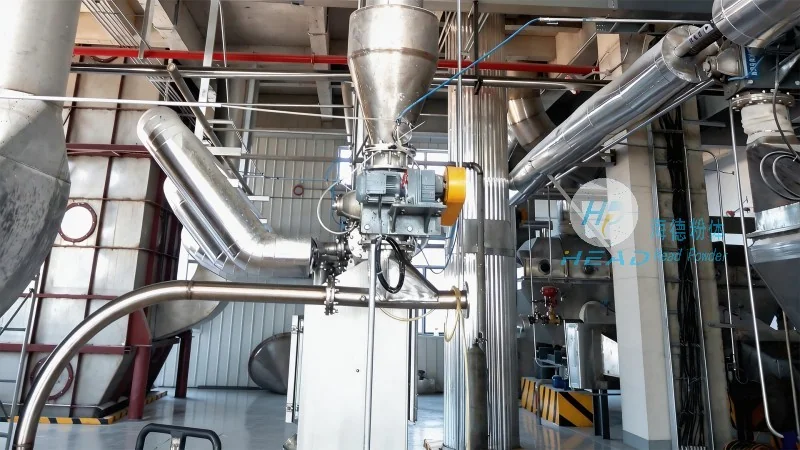
Overview of Lightweight Aggregate Pneumatic Conveying Equipment
Lightweight aggregate pneumatic conveying equipment operates by using compressed air or other gases to move lightweight aggregates from a source to a destination. Unlike traditional bulk material handling methods, this system eliminates the need for mechanical components like conveyors or elevators, reducing maintenance and operational costs. The core components of such equipment typically include a hopper for material storage, a feeder to control the flow rate, a conveying line, and a receiver for the material at the end of the line. The system may also incorporate features like cyclones or filters to separate any entrained air from the material, ensuring a clean and efficient transfer process.
Key Design Principles for Efficient Operation
The design of lightweight aggregate pneumatic conveying equipment follows several critical principles to ensure optimal performance. First, the system must be designed to handle the specific properties of the lightweight aggregates, including their particle size, density, and flow characteristics. This involves selecting appropriate materials for the hopper and conveying line to prevent material degradation or blockages. Second, the air velocity within the conveying line is a critical parameter; it must be sufficient to lift and transport the material but not so high as to cause excessive wear on the equipment or energy waste. Engineers often use the "minimum conveying velocity" concept, which is the lowest air velocity required to keep the material suspended and moving through the line. Third, the system's layout and components are designed to minimize pressure drops and energy consumption. This includes using smooth, straight conveying lines with minimal bends and fittings, as well as optimizing the feeder and hopper design to ensure consistent material flow without causing surges or blockages.
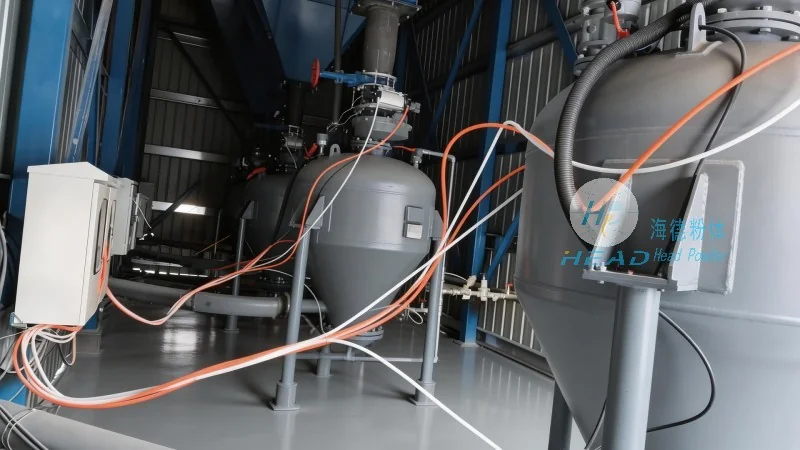
Components and Their Functions
The primary components of lightweight aggregate pneumatic conveying equipment and their functions are as follows. The hopper serves as the storage container for the lightweight aggregates, providing a consistent feed to the system. It is typically designed with a wide opening to facilitate easy loading and a smooth interior to prevent material buildup or segregation. The feeder, often a rotary valve or a screw feeder, controls the flow rate of the material into the conveying line. This component is crucial for maintaining a steady flow and preventing overloading or underloading of the system. The conveying line is the main channel through which the material and air travel. It is usually made of metal or plastic, with smooth inner surfaces to reduce friction and pressure loss. The line may include bends, elbows, or expansions to direct the material to the receiver. The receiver is the final container where the material is deposited. It is designed to collect the material efficiently and may include a dust collection system to capture any fine particles that may have escaped during the conveying process. In some systems, cyclones or filters are integrated into the receiver to separate the material from the air, improving the overall efficiency and cleanliness of the operation.
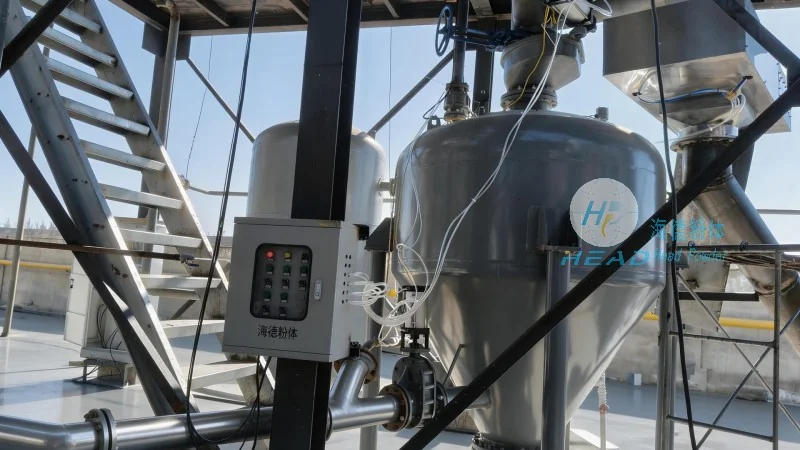
Advantages of Using Lightweight Aggregate Pneumatic Conveying Equipment
There are several advantages to using lightweight aggregate pneumatic conveying equipment in industrial applications. First, it offers a dust-free and clean transfer process, which is essential in environments where dust can be a health hazard or cause contamination. Unlike traditional methods that may generate significant dust, this system keeps the material contained within the conveying line, reducing the risk of exposure. Second, the equipment is highly flexible and can be easily integrated into existing production lines. It can be configured to handle different material types and flow rates, making it suitable for a wide range of applications. Third, the system is relatively low maintenance compared to mechanical conveyors, as it has fewer moving parts and less wear and tear. This results in lower operational costs and longer equipment life. Fourth, the system can be designed to operate in a closed loop, reducing energy consumption and environmental impact. By recycling the air used in the conveying process, the system minimizes the need for additional air intake and reduces the overall energy usage.
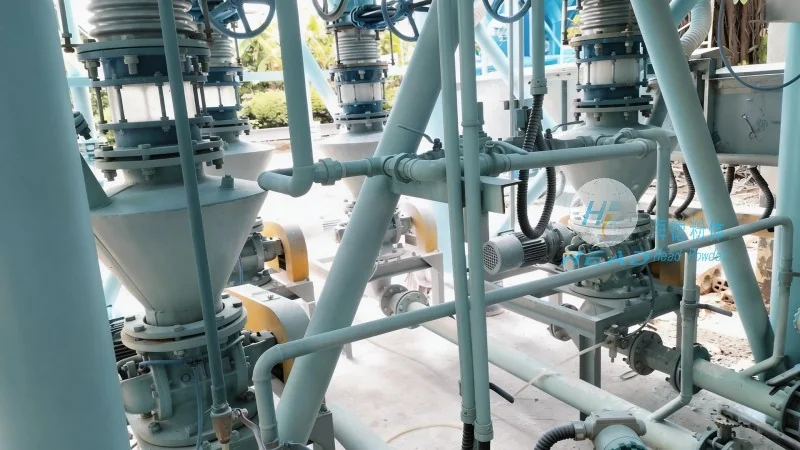
Applications in Various Industries
Lightweight aggregate pneumatic conveying equipment is widely used in various industries due to its ability to handle lightweight materials efficiently. In the construction industry, it is used to transport lightweight aggregates for concrete production, where the aggregates are used to reduce the weight and improve the thermal insulation properties of the concrete. In the agricultural industry, it is used to handle lightweight materials like vermiculite or perlite for soil amendment or as a growing medium for plants. In the chemical industry, it is used to transport lightweight powders or granules, such as catalysts or additives, in manufacturing processes. In the pharmaceutical industry, it is used to handle lightweight powders, ensuring a clean and dust-free transfer process that meets regulatory requirements. The versatility of this equipment makes it suitable for a wide range of applications where efficient and clean material handling is required.
Conclusion
Lightweight aggregate pneumatic conveying equipment is a sophisticated system designed to handle lightweight aggregates efficiently and safely. The design principles of these systems focus on optimizing material flow, minimizing energy consumption, and ensuring operational safety. By understanding the key components and design considerations, manufacturers and users can select and operate the most suitable equipment for their specific applications. As the demand for efficient and clean material handling increases, the use of lightweight aggregate pneumatic conveying equipment is likely to grow, making it an essential component in various industrial processes.