

What is Sodium Hypochlorite Pneumatic Conveying Equipment? And What Are Its Design Principles?
Sodium hypochlorite, commonly known as bleach, is a widely used chemical in various industries such as water treatment, disinfection, and industrial cleaning. The safe and efficient transportation of this chemical is crucial for industrial operations. This article explores the concept of sodium hypochlorite pneumatic conveying equipment and delves into its core design principles, highlighting the technical aspects that ensure reliable and safe operation.
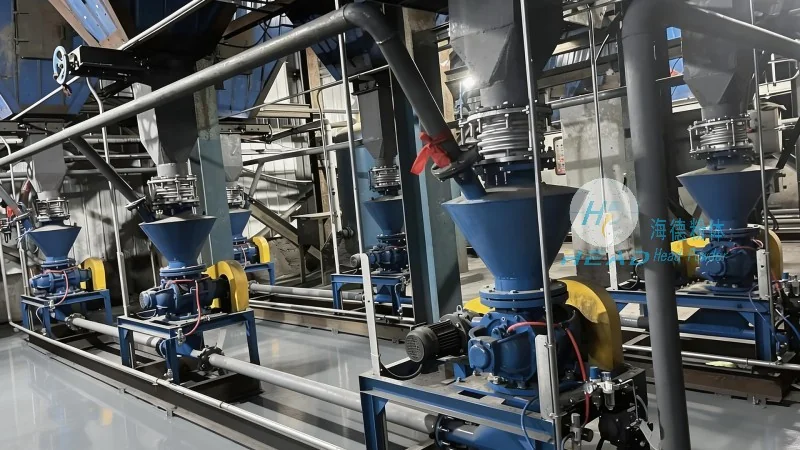
Introduction to Sodium Hypochlorite Pneumatic Conveying Equipment
Sodium hypochlorite pneumatic conveying equipment is a specialized system designed to transport sodium hypochlorite solutions or powders through a pipeline using compressed air or other gas as the conveying medium. Unlike traditional mechanical conveyors, pneumatic systems utilize the force of the gas to move the material, making them particularly suitable for handling corrosive and potentially hazardous chemicals like sodium hypochlorite. The equipment typically consists of several key components, including a feeding system, a conveying pipeline, a gas source, and a control unit, all working in tandem to ensure efficient material transport.
Key Components and Their Functions
The design of sodium hypochlorite pneumatic conveying equipment revolves around several critical components, each tailored to address the unique challenges posed by sodium hypochlorite. These components include:
1. Feeding System: This component is responsible for introducing the sodium hypochlorite material into the conveying pipeline. For liquid sodium hypochlorite, a pump or a metering device is used to feed the solution into the system. For solid forms, a rotary valve or a screw feeder is employed to ensure a consistent and controlled feed rate. The feeding system must be designed to prevent clogging and to maintain a stable flow rate, which is essential for maintaining the efficiency of the entire conveying process.
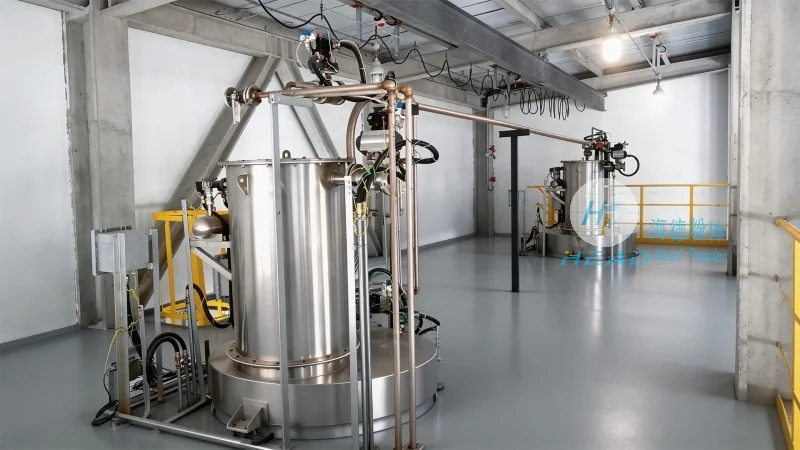
2. Conveying Pipeline: The pipeline is the main pathway through which the sodium hypochlorite is transported. It is typically made of materials that are resistant to corrosion, such as stainless steel or special alloys. The pipeline design considers factors like the pressure rating, the diameter, and the length of the system. The choice of material is critical as sodium hypochlorite is a strong oxidizer and can cause corrosion in many metals. The pipeline may also include bends, elbows, and other fittings that are designed to minimize pressure losses and to prevent the accumulation of material.
3. Gas Source and Air Treatment System: The gas source provides the necessary pressure and volume of air or other gas to move the material. This is usually a compressor that generates the required pressure. The air treatment system is equally important as it ensures that the air used for conveying is clean and free from contaminants that could react with the sodium hypochlorite or cause blockages. This system typically includes filters, dryers, and possibly a humidifier, depending on the specific requirements of the application.
4. Control Unit: The control unit manages the operation of the entire system, monitoring parameters such as pressure, flow rate, and temperature. It may include sensors and controllers that adjust the feed rate or the gas pressure as needed to maintain optimal conveying conditions. The control unit also includes safety features, such as emergency stop buttons and pressure relief valves, to prevent accidents and to ensure the safety of the operators.
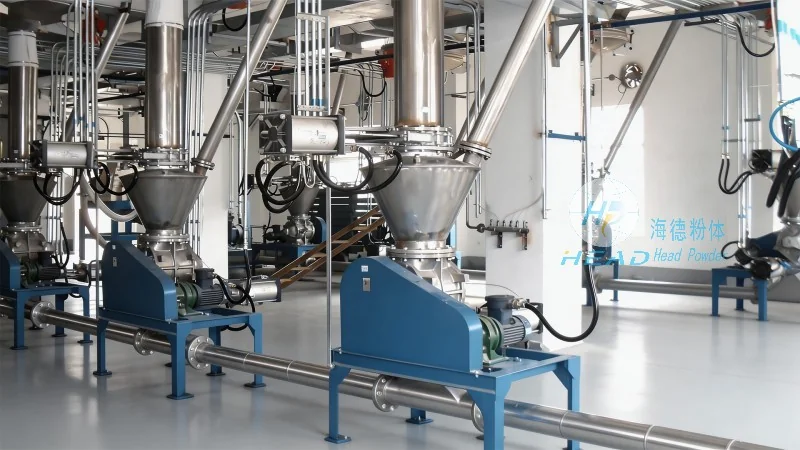
Design Principles for Efficient and Safe Operation
The design of sodium hypochlorite pneumatic conveying equipment is guided by several key principles aimed at ensuring efficiency, safety, and durability. These principles include:
1. Corrosion Resistance: Given the corrosive nature of sodium hypochlorite, all components that come into contact with the chemical must be made of materials that are resistant to corrosion. Stainless steel, particularly grades like 316 or 316L, is commonly used for the pipeline and other wet parts. Special coatings or linings may also be applied to protect the equipment from the effects of the chemical.
2. Air Quality and Filtration: The air used for conveying must be of high quality to prevent contamination and to avoid any reactions with the sodium hypochlorite or cause blockages. The air treatment system is designed to remove moisture, dust, and other particles that could affect the performance of the system or cause blockages. This is crucial for maintaining the efficiency of the conveying process and for ensuring the longevity of the equipment.
3. Pressure Management: Proper pressure management is essential to ensure that the material is conveyed efficiently without causing excessive wear on the equipment or leading to safety hazards. The system is designed to operate within a specific pressure range, and the control unit monitors and adjusts the pressure as needed. This helps to maintain a consistent flow rate and to prevent the buildup of pressure that could lead to equipment failure.
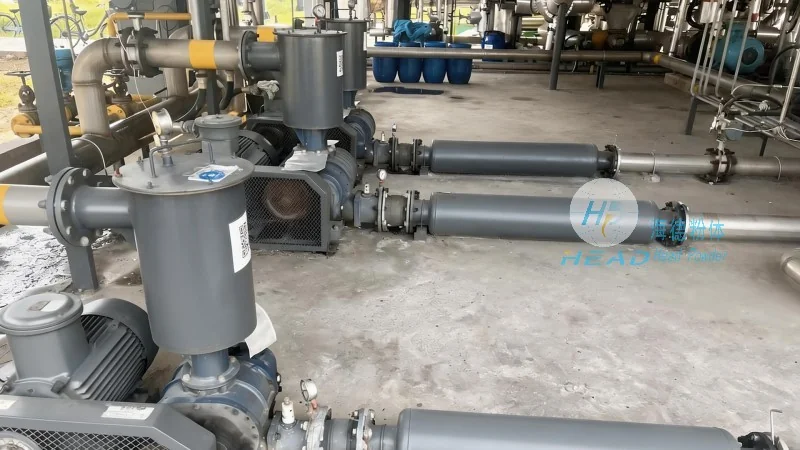
4. Safety and Environmental Considerations: The design of the equipment incorporates various safety features to protect the operators and to minimize the environmental impact of the operation. These features include leak detection systems, emergency shutdown mechanisms, and proper ventilation to prevent the accumulation of fumes. The equipment is also designed to comply with relevant safety regulations and environmental standards.
Applications and Benefits
Sodium hypochlorite pneumatic conveying equipment is used in a variety of applications across different industries. In water treatment plants, it is used to transport sodium hypochlorite solutions to disinfection units. In industrial cleaning, it is used to deliver the chemical to cleaning equipment. The benefits of using such equipment include improved safety due to the enclosed system, increased efficiency due to the ability to transport the material over long distances, and reduced labor costs due to the automated operation.
Conclusion
Sodium hypochlorite pneumatic conveying equipment is a critical component in the handling of this important chemical. The design of such equipment must take into account the unique properties of sodium hypochlorite, including its corrosiveness and potential hazards. By incorporating corrosion-resistant materials, efficient air treatment systems, and robust control units, the equipment can ensure safe and reliable operation. The use of such systems not only improves the efficiency of industrial processes but also enhances safety and reduces environmental impact. As a leading manufacturer in this field, Shandong HeadPowder Engineering Co., Ltd. specializes in providing high-quality pneumatic conveying solutions tailored to the specific needs of various industries.