

Working Principle and Features of Lithium-Ion Battery Raw Material Conveying Lines
As the lithium-ion battery industry expands, efficient raw material transportation is critical for optimizing production. Lithium battery raw material conveying lines are essential systems designed to transport components like cathode materials, anodes, and electrolytes from storage to workstations. These lines are integral to manufacturing workflows, ensuring controlled, efficient delivery. This article explores their working principle and key features, focusing on solutions from Shandong HeadPowder Engineering Co., Ltd.
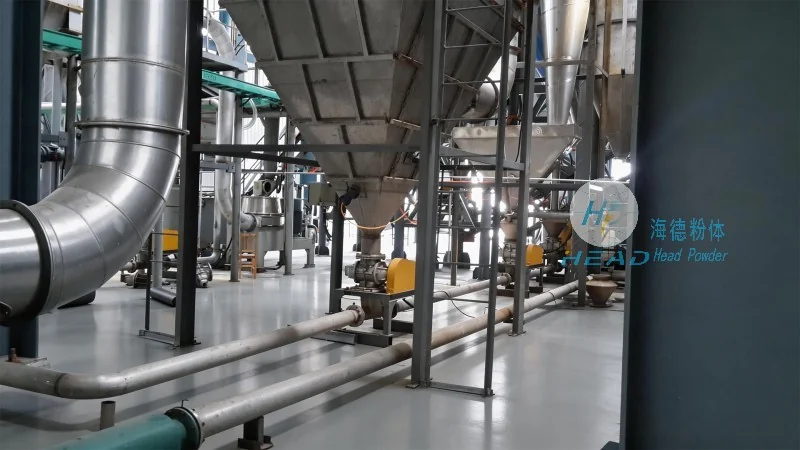
Overview of Lithium-Ion Battery Raw Material Conveying Lines
Lithium battery raw material conveying lines are specialized systems tailored to the industry's needs. They handle various raw materials with precision, low contamination risk, and adaptability. The design ensures smooth integration into production processes, supporting high-volume, high-precision manufacturing. HeadPowder specializes in creating these systems to meet the unique demands of lithium battery production.
Working Principle of Lithium-Ion Battery Raw Material Conveying Lines
The core principle involves mechanical components and automated controls. Raw materials start in storage hoppers or containers, then move through conveyors like belt, screw, or pneumatic systems based on material properties. Sensors and control units monitor flow, detect blockages, and adjust conveyor speed/direction. This closed-loop system ensures efficiency and safety, minimizing downtime and maximizing throughput. The system is designed to handle different material types while maintaining consistency and reliability.
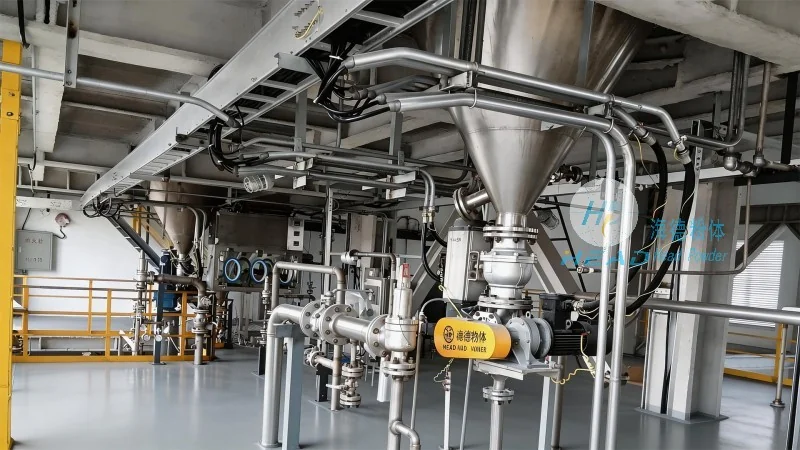
Key Features of Lithium-Ion Battery Raw Material Conveying Lines
Shandong HeadPowder Engineering Co., Ltd. offers conveying lines with advanced features. First, materials are transported using corrosion-resistant components, critical for handling sensitive raw materials. Dust collection and filtration systems maintain a clean environment, preventing contamination—a key factor in battery quality. Second, modularity allows scalability and integration with existing equipment. Systems are flexible, with adjustable configurations and compatibility with robots or packaging units. User-friendly interfaces simplify operation, reducing training needs and operational complexity.
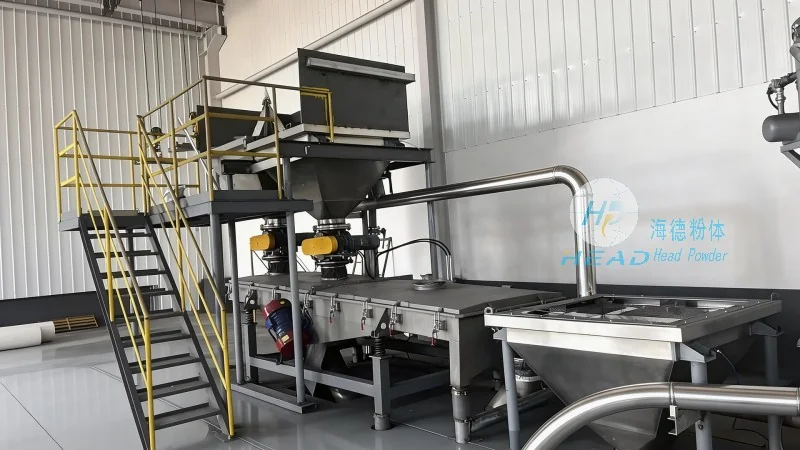
Efficiency and Safety in Raw Material Transportation
Efficiency is paramount in lithium battery production. HeadPowder's systems minimize handling time and human error. Automated feeding mechanisms precisely measure and dispense materials, ensuring batch consistency. Safety sensors and emergency stops prevent accidents, complying with industrial regulations. The design balances high throughput with operational safety, reducing risks associated with material handling in a precision-driven environment.
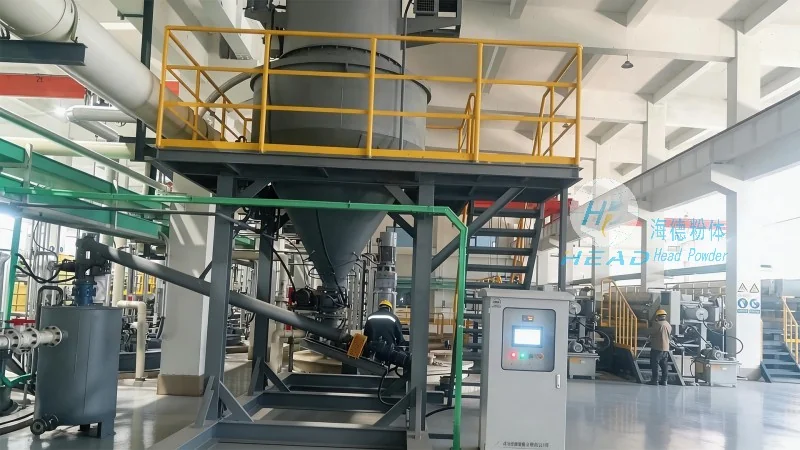
Customization and After-Sales Support
HeadPowder provides customized solutions tailored to client needs. The company assesses workflow, material types, and production volumes to design scalable systems. After installation, comprehensive after-sales support includes maintenance, spare parts, and technical assistance. This ensures long-term performance and value, supporting clients in optimizing their material handling processes.
Conclusion
Lithium-ion battery raw material conveying lines are vital for modern battery manufacturing, and their working principle and features directly impact operational success. Shandong HeadPowder Engineering Co., Ltd. delivers advanced, reliable, and customizable solutions that enhance efficiency, safety, and productivity. By leveraging their expertise, manufacturers can streamline material handling and gain competitive advantages in the industry.