

What is a Coal Powder Pneumatic Conveying System? What are its Design Principles?
Coal powder pneumatic conveying systems are industrial equipment used to transport coal powder through a pipeline using air as the conveying medium. These systems are widely applied in power plants, cement factories, and other industrial sectors where coal powder needs to be moved from storage to processing units efficiently and safely. Understanding the design principles of such systems is crucial for optimizing performance, ensuring reliability, and minimizing operational costs.
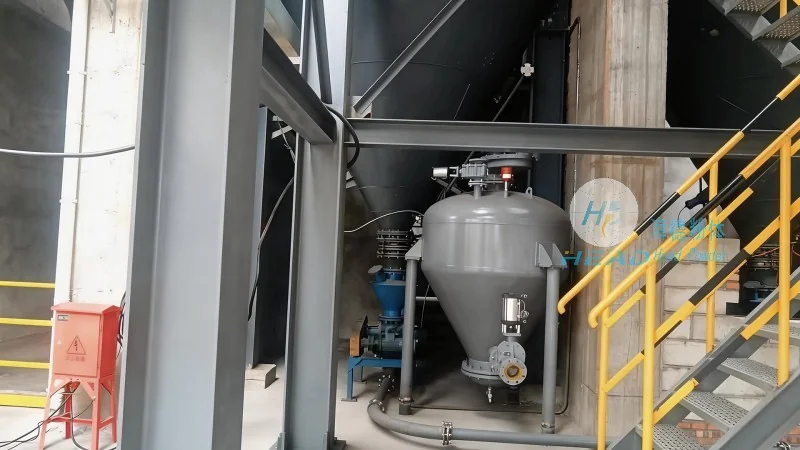
Introduction to Coal Powder Pneumatic Conveying Systems
A coal powder pneumatic conveying system typically consists of several key components, including a material feeder, a conveying pipeline, a pressure vessel or receiver, and a blower or air compressor. The system operates by creating a pressure differential within the pipeline, which draws the coal powder into the system and transports it to the destination. The material feeder ensures a consistent flow of coal powder into the pipeline, while the blower provides the necessary air pressure to move the material. The pressure vessel or receiver collects the coal powder at the end of the conveying line, allowing for storage or further processing.
Design Principles of Coal Powder Pneumatic Conveying Systems
The design of a coal powder pneumatic conveying system involves several critical principles aimed at achieving efficient and reliable operation. One of the primary principles is the selection of the appropriate conveying method, which can be classified as dilute-phase or dense-phase. Dilute-phase systems use low air velocity and low pressure, suitable for short-distance and low-capacity applications. Dense-phase systems, on the other hand, use higher air velocity and pressure, enabling the transport of larger quantities over longer distances. The choice between these methods depends on the specific requirements of the application, including the distance to be covered, the capacity needed, and the characteristics of the coal powder (such as particle size, moisture content, and flowability).
Another important design principle is the consideration of the air-to-material ratio, which is the ratio of the volume of air to the volume of material being conveyed. This ratio directly affects the conveying efficiency and the pressure drop along the pipeline. An optimal air-to-material ratio ensures that the material is fully suspended in the air stream, preventing blockages and ensuring smooth transport. Engineers must calculate this ratio based on the properties of the coal powder and the desired conveying velocity.
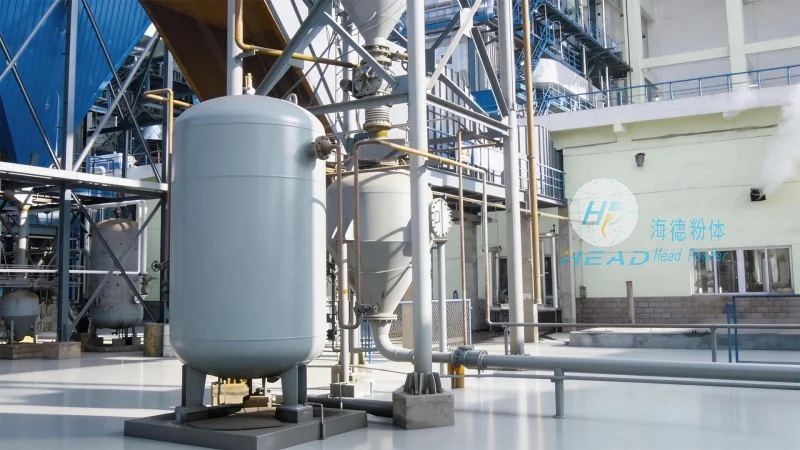
Key Design Considerations for Coal Powder Pneumatic Conveying Systems
Several factors must be considered during the design process to ensure the system operates effectively and safely. The first is the selection of the appropriate pipeline material and diameter. The pipeline must be able to withstand the pressure and temperature conditions of the system, and its diameter must be sufficient to accommodate the required flow rate without causing excessive pressure drop. Stainless steel is commonly used for its corrosion resistance and durability, especially in systems handling coal powder with high moisture content or corrosive properties.
Next, the design must account for the potential for material buildup or blockages in the pipeline. This can be mitigated by incorporating features such as pulse jets or vibration devices that help maintain the flow of material. Additionally, the system should include safety features such as pressure relief valves and overfill protection to prevent accidents and ensure operational safety.
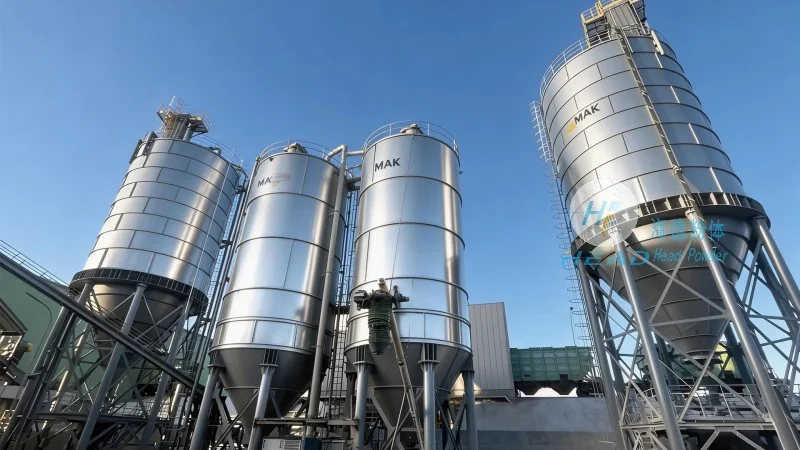
The selection of the blower or air compressor is also a critical design consideration. The type of blower (e.g., centrifugal, positive displacement) and its capacity must be matched to the system's requirements. Centrifugal blowers are often used for dilute-phase systems due to their high flow rates and low pressure, while positive displacement blowers are preferred for dense-phase systems where higher pressure is needed. The power rating of the blower must also be sufficient to overcome the pressure drop in the pipeline and ensure the material is conveyed at the desired velocity.
Application and Performance Optimization
Coal powder pneumatic conveying systems are designed to meet the specific needs of industrial applications. For example, in power plants, these systems are used to transport coal from storage silos to the boiler feed system, ensuring a continuous and reliable supply of fuel. In cement factories, they are used to convey coal to the kiln, where it is burned to provide the necessary heat for cement production. The performance of the system can be optimized by regular maintenance and monitoring of key parameters such as pressure, flow rate, and material level. This helps to identify and address any issues before they lead to system failures or downtime.
Conclusion
Coal powder pneumatic conveying systems are essential equipment in many industrial sectors, providing an efficient and safe method for transporting coal powder. The design principles and considerations outlined above are crucial for ensuring the system operates at optimal performance levels. By carefully selecting the appropriate components, optimizing the air-to-material ratio, and incorporating safety features, engineers can design systems that meet the specific requirements of their applications and provide long-term reliability and efficiency.