

What is a PP Pellet Pneumatic Conveying System? And What Are Its Design Principles?
PP (polypropylene) pellets are a fundamental material in the plastics industry, used in a wide range of applications from packaging to automotive parts. The efficient and reliable transport of these pellets from one location to another is crucial for maintaining production flow and reducing operational costs. This article explores the concept of a PP pellet pneumatic conveying line, detailing its design principles and the technology behind it, with insights from Shandong HeadPowder Engineering Co., Ltd., a leading provider in the field.
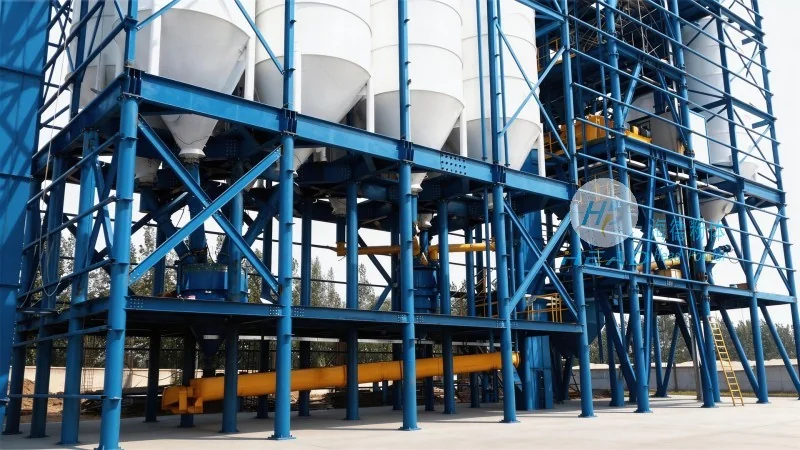
Introduction to PP Pellet Pneumatic Conveying Systems
A PP pellet pneumatic conveying system is a method of transporting solid materials, specifically polypropylene pellets, using a stream of air or gas. Unlike traditional mechanical conveying systems, which rely on belts, screws, or buckets, pneumatic systems utilize air pressure to move the material through pipes. This technology offers several advantages, including the ability to handle fine powders and pellets without the need for additional equipment like hoppers or feeders. The system typically consists of a hopper to store the pellets, a blower or compressor to generate the air flow, and a series of pipes to direct the material to its destination. The design of such a system is tailored to the specific characteristics of PP pellets, including their size, density, and flowability, ensuring optimal performance and minimal material degradation.
Understanding the Core Function of Pneumatic Conveying Lines
The primary function of a pneumatic conveying line is to move PP pellets from a source, such as a storage silo or production line, to a destination, such as a processing machine or packaging area. The process involves creating a pressure differential within the system, where the blower pushes air through the pipes, carrying the pellets along with it. The air velocity is carefully controlled to ensure that the pellets are suspended and transported without causing blockages or damage. The system can operate in either positive pressure (blow-through) or negative pressure (suction) modes, depending on the application and the distance the material needs to travel. Positive pressure systems are commonly used for long-distance or high-volume transport, as they can maintain consistent air flow and prevent dust contamination. Negative pressure systems, on the other hand, are suitable for short-distance transport or when the material needs to be collected from a source with a lower pressure environment.
Key Design Principles for Efficient PP Pellet Transport
The design of a PP pellet pneumatic conveying system is governed by several key principles to ensure efficiency, reliability, and cost-effectiveness. First, the system must be designed to handle the specific physical properties of PP pellets, such as their particle size, which typically ranges from 2 to 6 millimeters, and their density, which is around 0.9 g/cm³. The air velocity must be sufficient to keep the pellets suspended but not so high that it causes excessive wear on the pipes or components. This is often determined through calculations based on the material's terminal velocity and the pipe diameter. Second, the system must be equipped with appropriate components to prevent material buildup and blockages. This includes using pulse jets or rotary valves to maintain consistent air flow and prevent the accumulation of pellets in the pipes. Third, the system must be designed for easy maintenance and cleaning. PP pellets can be hygroscopic, meaning they can absorb moisture from the air, which may affect their processing properties. Therefore, the system should include features like air filters and moisture separators to maintain the quality of the pellets and prevent corrosion in the equipment.
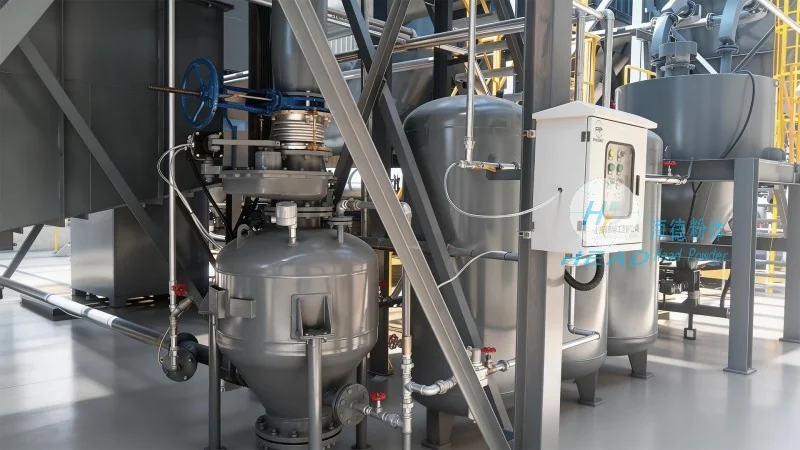
Components and Their Roles in the System
A typical PP pellet pneumatic conveying system includes several key components, each playing a critical role in the overall operation. The first component is the hopper or storage bin, which holds the PP pellets and provides a consistent feed to the system. The hopper is usually equipped with a feeder, such as a rotary valve or a star feeder, to control the flow of pellets into the system. The feeder is designed to prevent the pellets from clogging and to maintain a steady flow rate. The second component is the blower or compressor, which generates the air pressure needed to move the pellets. The choice of blower depends on the system's requirements, such as the required air volume and pressure. Positive displacement blowers are commonly used for high-pressure applications, while centrifugal blowers are suitable for low-pressure systems. The third component is the conveying line, which consists of a series of pipes connected to the hopper and the destination. The pipes are typically made of stainless steel or plastic, depending on the material being conveyed and the operating conditions. The fourth component is the control system, which monitors the air pressure, flow rate, and other parameters to ensure the system operates within safe and efficient limits. The control system may include sensors, valves, and a programmable logic controller (PLC) to automate the operation of the system.
Advantages of Using Pneumatic Conveying for PP Pellets
There are several advantages to using pneumatic conveying systems for PP pellets compared to traditional mechanical systems. First, pneumatic systems are more flexible and can be easily modified to accommodate changes in production volume or layout. The pipes can be rerouted or extended without major modifications to the system, making it suitable for dynamic production environments. Second, pneumatic systems are more hygienic and can maintain the quality of the pellets by preventing contamination from dust or other particles. The enclosed system prevents the pellets from coming into contact with the environment, reducing the risk of moisture absorption or contamination. Third, pneumatic systems are more energy-efficient than mechanical systems, as they use less power to move the material over long distances. The air flow can be adjusted to match the required transport speed, reducing energy consumption. Fourth, pneumatic systems are more reliable and have fewer moving parts, which reduces the risk of breakdowns and maintenance costs. The system is less prone to wear and tear compared to mechanical systems, as the pellets are not in direct contact with the equipment.
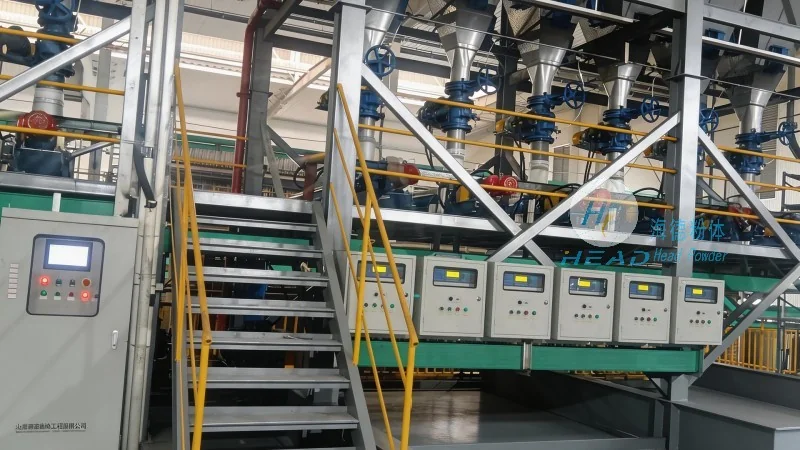
Application Scenarios and Industry Use Cases
PP pellet pneumatic conveying systems are widely used in various industries, including plastics manufacturing, food processing, and pharmaceuticals. In the plastics industry, these systems are used to transport PP pellets from storage silos to extrusion machines or injection molding equipment. The system ensures that the pellets are delivered to the processing equipment in a consistent and controlled manner, which is crucial for maintaining the quality of the final product. In the food industry, pneumatic conveying systems are used to transport food-grade PP pellets used in packaging applications. The system maintains the hygiene and quality of the pellets, ensuring that they are free from contaminants and suitable for food contact. In the pharmaceutical industry, pneumatic conveying systems are used to transport PP pellets used in the production of medical devices or packaging materials. The system ensures that the pellets are handled in a sterile environment, preventing contamination and maintaining the quality of the final product.
Customization and Integration for Specific Needs
Shandong HeadPowder Engineering Co., Ltd. specializes in designing and manufacturing customized pneumatic conveying systems tailored to the specific needs of their clients. The company works closely with clients to understand their production requirements, material characteristics, and operational constraints to develop a system that meets their unique needs. The customization process includes selecting the appropriate components, such as the blower, pipes, and control system, based on the client's requirements. The system is then tested and optimized to ensure it operates efficiently and reliably. HeadPowder also provides integration services, where the pneumatic conveying system is integrated with the client's existing production line or equipment. This ensures that the system works seamlessly with the client's current setup, minimizing disruptions to their operations. The company's expertise in the field allows them to provide solutions that are not only efficient but also cost-effective and sustainable.
Maintenance and Operational Considerations
Maintaining a PP pellet pneumatic conveying system is essential to ensure its long-term performance and reliability. Regular maintenance is required to prevent blockages, wear and tear, and other issues that can affect the system's operation. The maintenance schedule should include routine checks of the blower, pipes, and control system, as well as cleaning of the system to remove any accumulated material or dust. The system should also be inspected for any signs of corrosion or damage, which can affect its performance and lifespan. Operational considerations include monitoring the air pressure and flow rate to ensure the system is operating within safe limits. The system should be operated at the recommended air velocity to prevent material degradation or blockages. Additionally, the system should be equipped with safety features, such as pressure relief valves and emergency shut-off switches, to prevent accidents and ensure the safety of the operators. By following proper maintenance and operational procedures, the system can operate efficiently and reliably for many years, providing consistent and high-quality transport of PP pellets.