

What is a Calcium Lime Pneumatic Conveying System? And What Are Its Design Principles?
Calcium lime, also known as quicklime or calcium oxide, is a widely used industrial material in sectors such as construction, metallurgy, and chemical manufacturing. The efficient and safe transportation of calcium lime from production sites to processing or storage facilities is critical for industrial operations. This article explores the concept of a calcium lime pneumatic conveying system and delves into its fundamental design principles, highlighting the technology's role in modern industrial material handling.
Introduction to Calcium Lime Pneumatic Conveying Systems
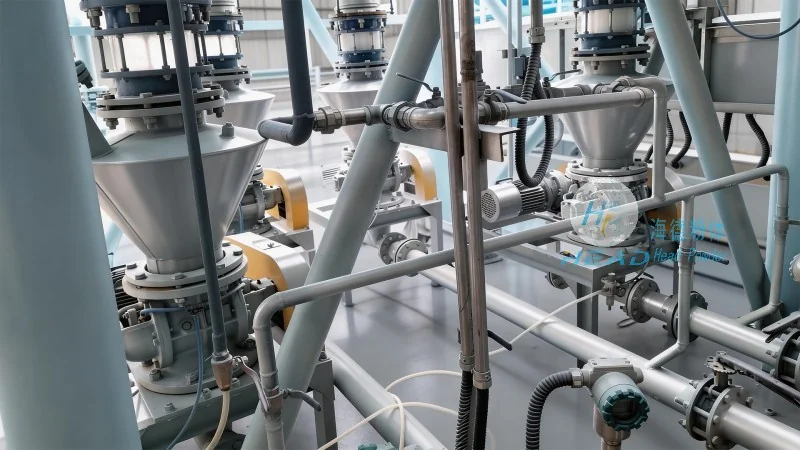
A calcium lime pneumatic conveying system is a material handling equipment that uses compressed air or other gases to transport calcium lime powder or granules through a pipeline. Unlike traditional mechanical conveyors, pneumatic systems rely on air force to move materials, offering advantages like flexibility, minimal maintenance, and the ability to transport materials over long distances without multiple transfer points. The system typically includes a material feed hopper, a rotary valve or feeder, a pipeline network, and a receiver or silo for material deposition. Compressed air is introduced at one end of the pipeline, creating a flow that carries the calcium lime particles through the system. Design considerations involve material properties, flow rates, and conveying distance to ensure optimal performance.
Design Principles of Pneumatic Conveying Systems
The design of a calcium lime pneumatic conveying system is governed by key principles ensuring efficient operation. The first principle is selecting the appropriate conveying method, categorized as dilute-phase or dense-phase. Dilute-phase systems use low air-to-material ratios (5-10 times material weight) and are suitable for short to medium distances and low to medium flow rates. Dense-phase systems use higher ratios (10-20 times) and are ideal for long-distance conveying and high flow rates, minimizing material degradation and clogging. The choice depends on application requirements and calcium lime characteristics. Another critical principle is calculating air velocity and pressure. The air velocity must be sufficient to keep material suspended but not excessively high to cause wear or increase energy use. Engineers use the "critical velocity" concept, typically 15-25 meters per second for calcium lime, based on particle size and density. The required pressure is determined by total pressure drop across the pipeline, including losses from fittings, bends, and material resistance. Proper compressor and pipeline sizing is essential to maintain pressure and flow rate.
Key Components and Their Functions in a Calcium Lime Pneumatic Conveying System
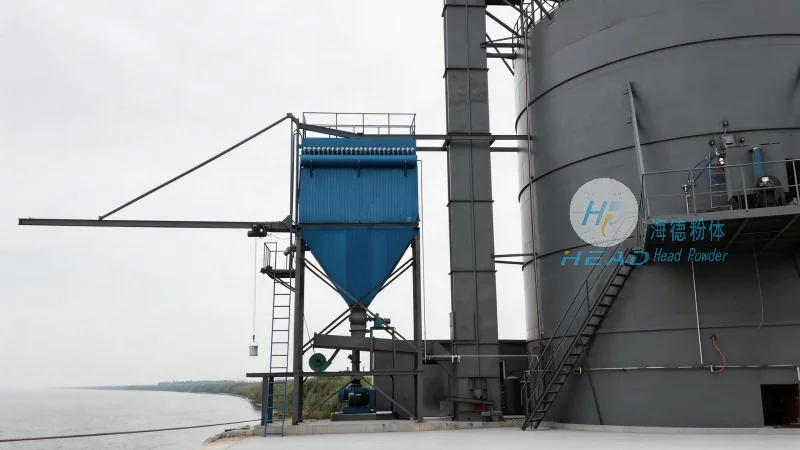
The effectiveness of a calcium lime pneumatic conveying system depends on integrating key components. The material feed hopper stores and prepares calcium lime for transport, equipped with a rotary valve or feeder to control flow rate and prevent blockages due to material flowability or caking. The pipeline network, made of stainless steel or plastic, is the core, laid to minimize bends and changes in direction to reduce pressure losses and material degradation. The receiver or silo is the endpoint, where calcium lime is deposited and stored before further processing, with a discharge valve for controlled release. Each component is designed to handle calcium lime's properties, ensuring smooth operation.
Application Scenarios and Benefits of Calcium Lime Pneumatic Conveying
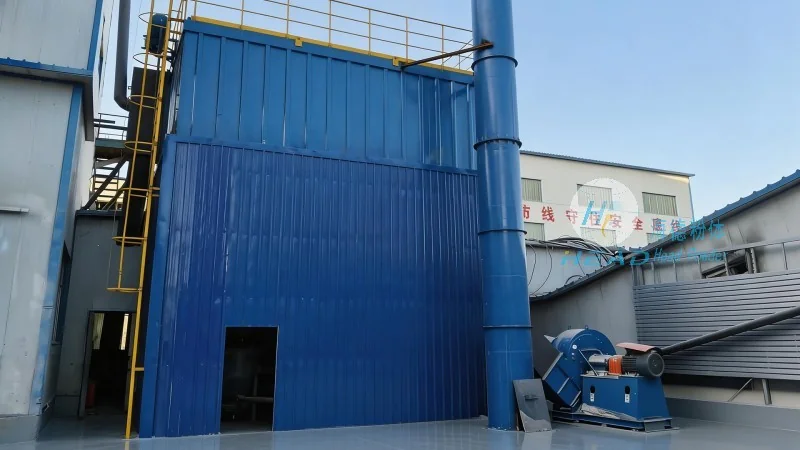
Calcium lime pneumatic conveying systems are widely used in industrial applications due to versatility and efficiency. In construction, they transport calcium lime for cement production, mixing with other components to form concrete. In metallurgy, calcium lime serves as a flux in steelmaking, with systems ensuring reliable delivery to furnaces. The chemical industry uses calcium lime in calcium carbide production, requiring safe and efficient transport. Benefits include reduced labor costs, improved safety via eliminating manual handling, minimized material loss from dust, and long-distance transport without multiple transfer points. These systems can integrate with other processing equipment, forming seamless material handling and processing lines.
Company Overview: Shandong HeadPowder Engineering Co., Ltd.
Shandong HeadPowder Engineering Co., Ltd., or HeadPowder, is a leading manufacturer and supplier of industrial material handling equipment, including pneumatic conveying systems for calcium lime and other bulk materials. HeadPowder has operated since [year, e.g., 2005] and built a strong reputation for high-quality products and reliable service. HeadPowder is headquartered in [city, e.g., Jinan], Shandong Province, China, focusing on innovation and customer satisfaction. The company’s team of engineers and technicians has extensive experience in designing and manufacturing pneumatic conveying systems tailored to client needs. Products are known for durability, efficiency, and compliance with international safety and quality standards. HeadPowder serves clients in construction, metallurgy, and chemicals, helping optimize operations and improve productivity. The company’s address is located in [specific address, e.g., No. 123, Xinhua Road, Laiwu District, Jinan, Shandong, China].