

What is a Heavy Calcium Powder Pneumatic Conveying System? And What Are Its Design Principles?
Heavy calcium powder, also known as heavy calcium carbonate, is a widely used industrial material in various sectors such as coatings, plastics, and paper. The efficient and reliable transportation of this fine powder is crucial for industrial processes. This article explores the concept of a heavy calcium powder pneumatic conveying system and delves into its fundamental design principles, providing insights into how such systems are engineered to handle the unique characteristics of heavy calcium powder.
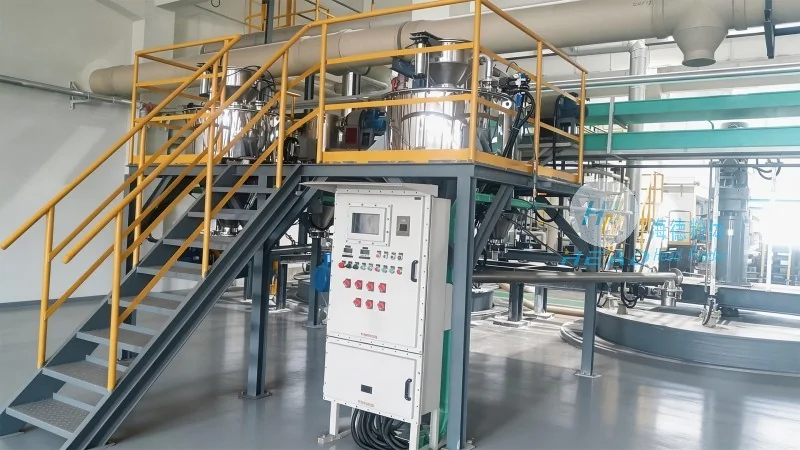
Understanding Heavy Calcium Powder Pneumatic Conveying Systems
A heavy calcium powder pneumatic conveying system is a technology used to transport bulk materials like heavy calcium powder through a pipeline using air or other gases. Unlike traditional mechanical conveyors, pneumatic systems utilize the force of moving air to move the powder, making them ideal for handling fine, dusty, or abrasive materials that might be difficult to transport with mechanical means. The system typically consists of a hopper for material storage, a conveyor line with air pipes, and a receiver for the delivered material. The core of the system is the air flow, which can be either positive pressure (blowing air into the line) or negative pressure (sucking air out of the line), depending on the specific application and material properties.
The Role of HeadPowder in Heavy Calcium Powder Conveying Solutions
Shandong HeadPowder Engineering Co., Ltd., a leading manufacturer in the field, specializes in designing and manufacturing advanced pneumatic conveying systems tailored for heavy calcium powder applications. With a strong focus on engineering excellence and customer-centric solutions, HeadPowder has established itself as a trusted partner for industries requiring high-performance material handling solutions. The company's expertise lies in understanding the unique challenges associated with heavy calcium powder, such as its fine particle size, low bulk density, and potential for caking or agglomeration, and developing systems that address these challenges effectively.
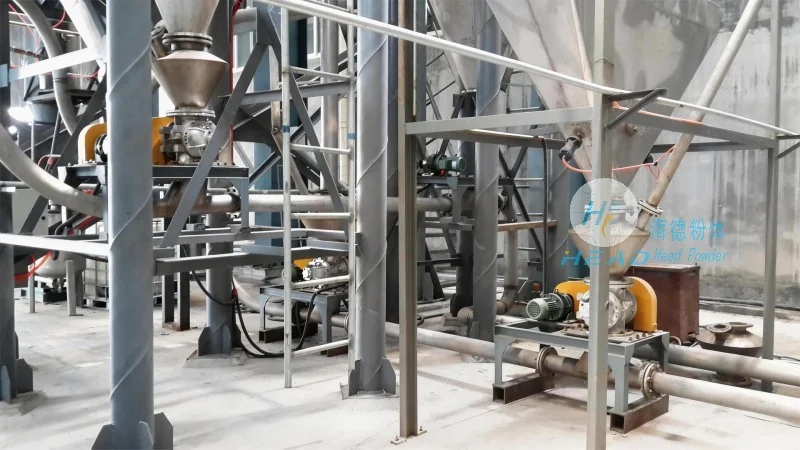
Key Design Principles of Heavy Calcium Powder Pneumatic Conveying Systems
The design of a heavy calcium powder pneumatic conveying system involves several critical principles to ensure efficient and safe operation. First, the system must be designed to handle the specific flow characteristics of heavy calcium powder. This includes considering the powder's particle size distribution, bulk density, and flowability. The choice between positive and negative pressure systems depends on factors like the distance to be covered, the number of turns in the pipeline, and the desired material handling capacity. For instance, positive pressure systems are often preferred for short to medium distances and for conveying materials that are prone to caking, as they can maintain a consistent flow by continuously pushing the material through the line.
Second, the system's air flow rate is a critical design parameter. The air velocity must be sufficient to keep the powder particles suspended in the air stream but not so high as to cause excessive pressure drop or energy consumption. The air velocity is typically determined based on the material's terminal velocity and the desired conveying capacity. Additionally, the system's pipeline design, including the diameter and length of the pipes, the number and type of bends, and the presence of accessories like cyclones or filters, all play a crucial role in the overall performance and efficiency of the conveying process.
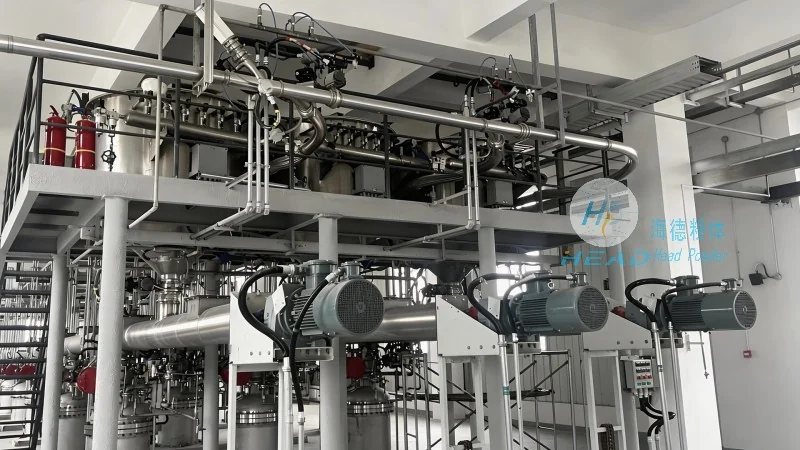
Material Handling Considerations in Heavy Calcium Powder Conveying
When designing a heavy calcium powder pneumatic conveying system, several material handling considerations must be taken into account to ensure optimal performance. One of the primary challenges is the potential for the powder to agglomerate or form lumps, which can block the pipeline or reduce the system's efficiency. To mitigate this, the system may incorporate features such as vibration devices, agitators, or air knives to break up any agglomerates before they enter the conveying line. Another consideration is the prevention of dust emissions and the need for proper filtration to comply with environmental regulations. The system's components, including the hopper, feeder, and receiver, are designed to minimize dust generation and ensure that any airborne particles are captured and filtered out before being released into the environment.
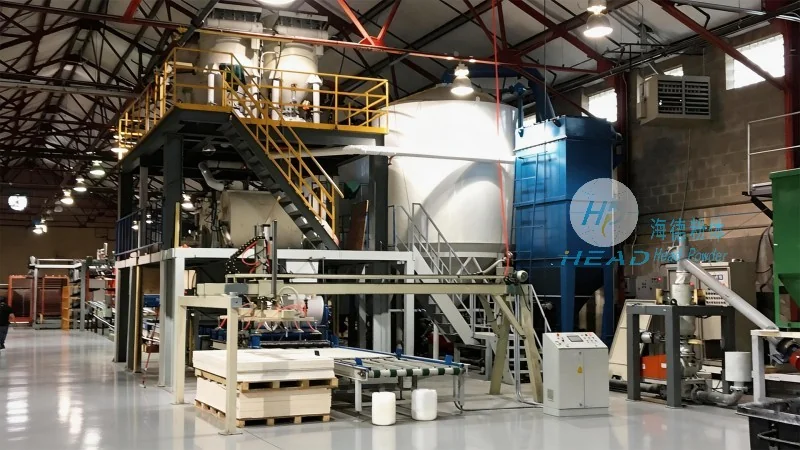
Advantages of Pneumatic Conveying for Heavy Calcium Powder
Compared to traditional mechanical conveyors, pneumatic conveying systems offer several advantages for handling heavy calcium powder. These include the ability to transport materials over long distances with minimal maintenance, the flexibility to handle varying material loads and flow rates, and the ability to integrate with other processing equipment without the need for complex transfer points. Pneumatic systems also provide better control over the material's temperature and moisture content, which is important for maintaining the quality of the heavy calcium powder. Furthermore, the enclosed nature of the system helps to prevent contamination from external sources and reduces the risk of dust exposure for operators.
Conclusion and Company Overview
In conclusion, a heavy calcium powder pneumatic conveying system is a sophisticated engineering solution designed to efficiently transport fine, abrasive materials like heavy calcium powder. The design principles, including the choice of air flow system, air velocity, and pipeline configuration, are critical to ensuring the system's performance and reliability. Shandong HeadPowder Engineering Co., Ltd. plays a pivotal role in providing these advanced systems, leveraging its expertise to address the unique challenges of heavy calcium powder handling and deliver solutions that meet the highest standards of efficiency and safety. With its headquarters in Shandong, China, HeadPowder continues to be a leader in the development of innovative material handling technologies for the industrial sector.